
What Is a Maker’s Mark?
A maker’s mark is a unique marking, symbol, monogram, initials, signature, or logo placed on an object by its creator, workshop, or manufacturer. It acts as a kind of signature, showing who made the item and often helping to identify its authenticity, origin, age, and collectible value.
Before looking deeper into the meaning of maker’s marks, here are several real examples of marks and manufacturer stamps found on antique and vintage objects.
Examples of Maker’s Marks
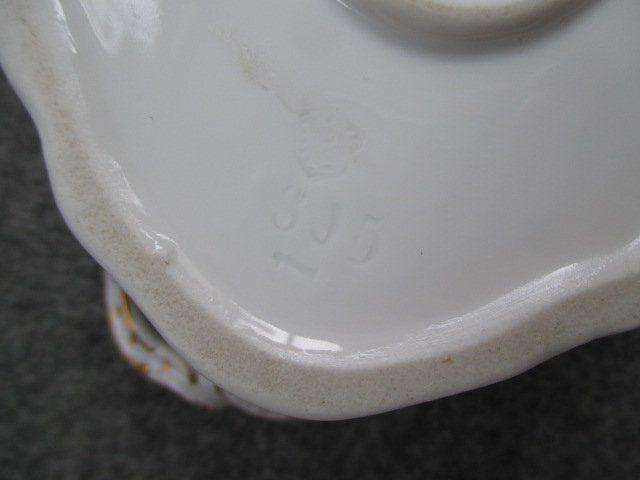
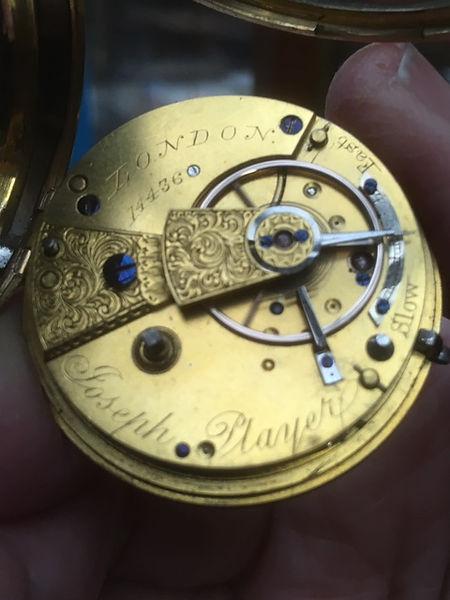
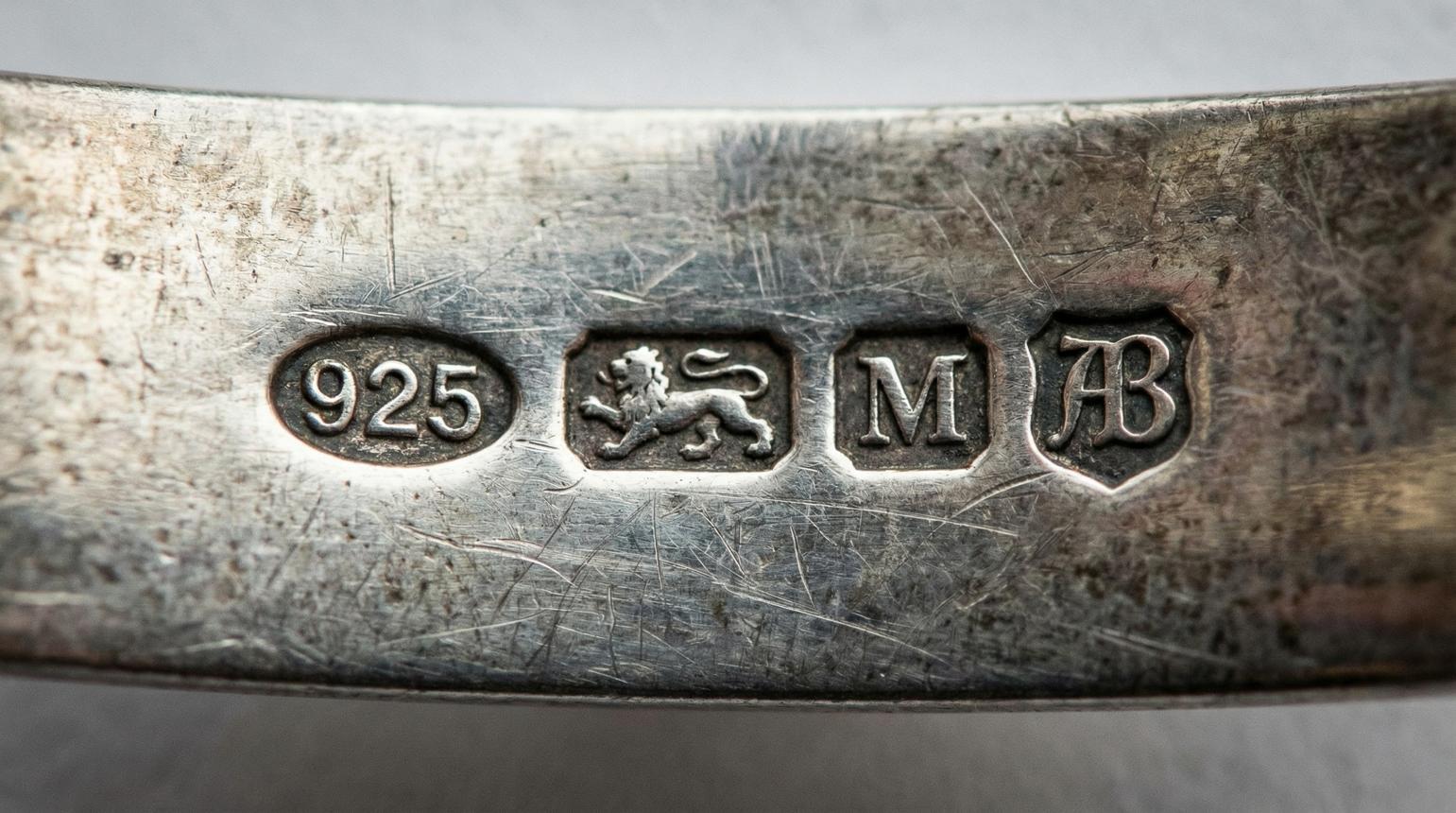
These examples show different types of marks. Some are made of initials, others include symbols, factory logos, or combinations of letters and numbers. Small details like these can often help identify the maker, approximate age, and origin of an antique object.
What Is the Purpose of a Maker’s Mark?
Since ancient times, craftsmen have placed distinctive marks on their work. This helped guarantee quality, distinguish their creations from those of other makers, and build a lasting reputation.
Today, the maker’s mark is an important source of information for collectors, antique specialists, appraisers, and museums. It is commonly studied together with hallmarks, factory marks, signatures, materials, and natural patina.
For a broader overview of identifying symbols, read What Are Antique Marks and Hallmarks?.
What Does a Maker’s Mark Look Like?
Every maker may use a different identifying mark. It can appear as:
- initials;
- a signature;
- a monogram;
- a company logo;
- a symbol or emblem;
- a combination of letters and numbers.
In the case of some famous manufacturers, the maker’s mark later became a globally recognizable brand.
Where Can a Maker’s Mark Be Found?
Maker’s marks can be found on many different antique and collectible objects, including:
- silver and gold objects;
- jewelry;
- watches and clocks;
- porcelain and ceramics;
- glass and crystal;
- knives and weapons;
- antique furniture;
- paintings and sculptures;
- musical instruments;
- decorative objects.
Where Is the Mark Usually Located?
The location of the mark depends on the type of object. On silver items, it is often found on the underside. On porcelain, it is usually placed on the base. On watches, it may appear on the movement or inside the case. On furniture, it may be hidden inside the construction, on the back, or inside a drawer.
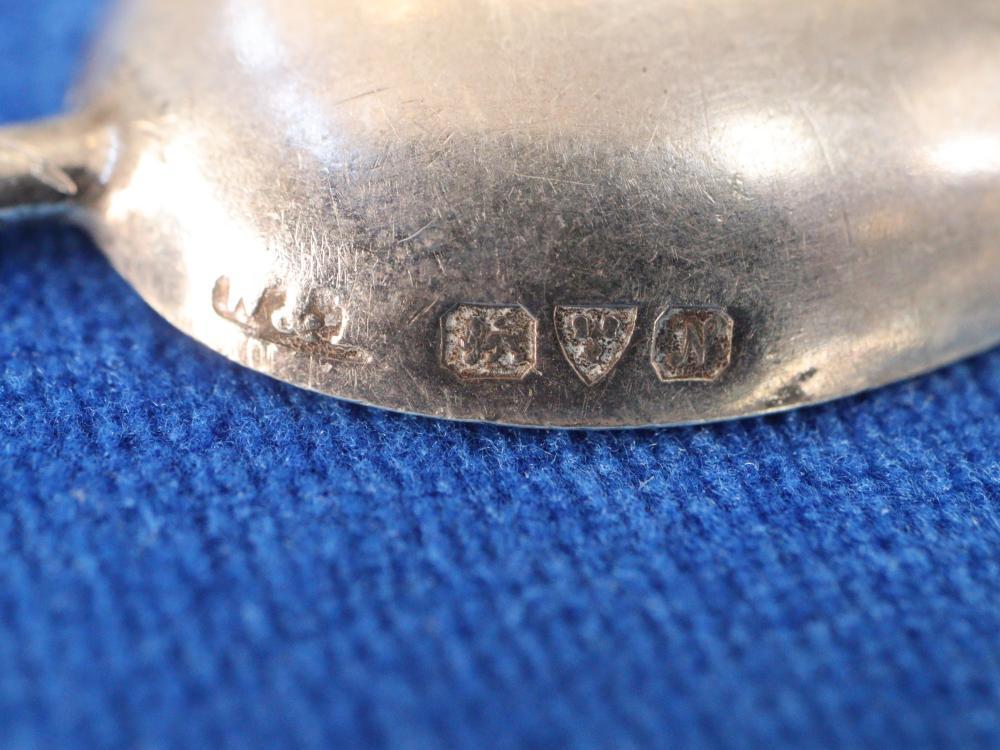
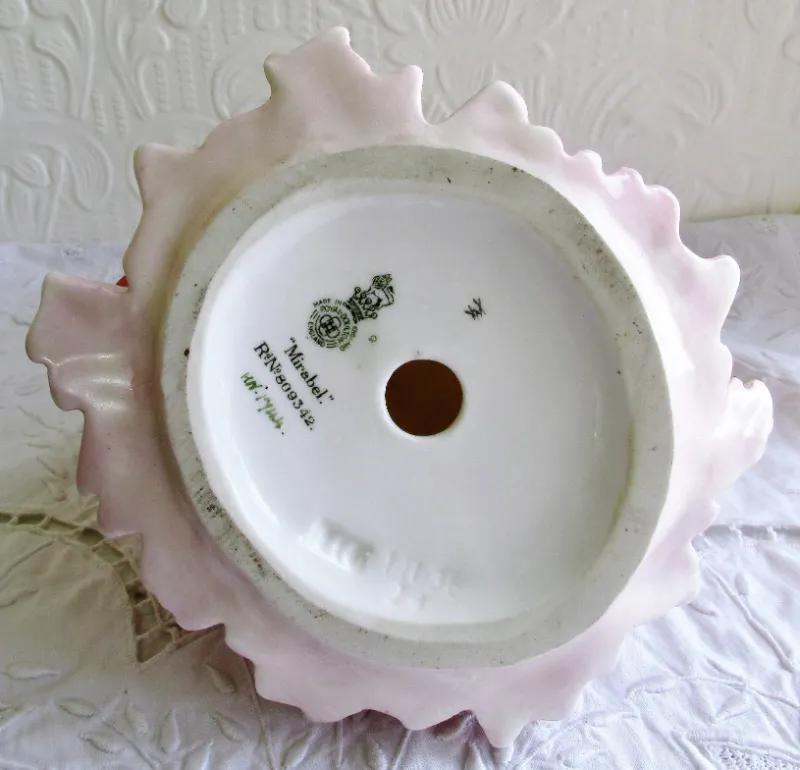
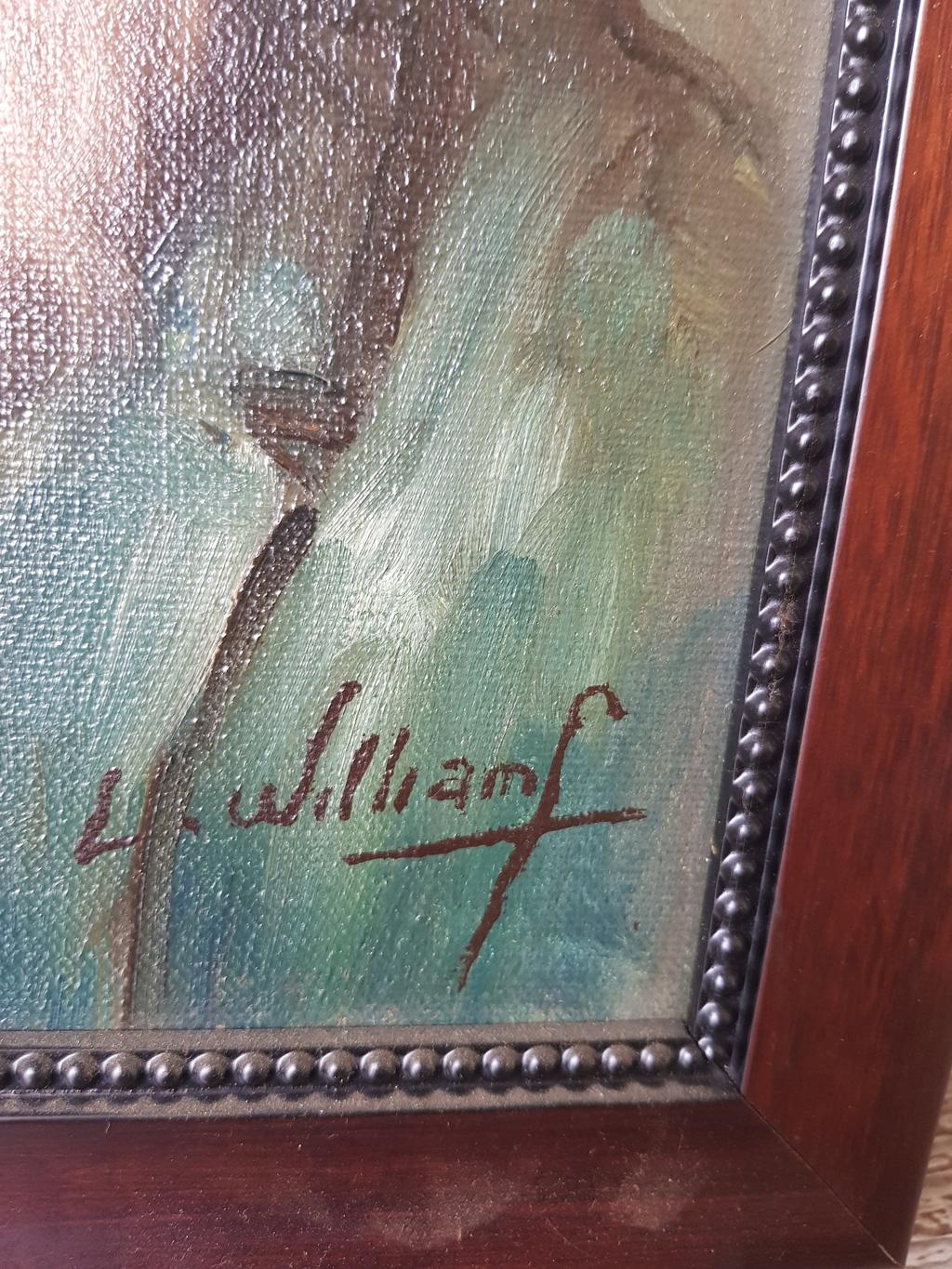
On silver objects, the maker’s mark is often placed near the metal purity mark. On porcelain, the mark is usually found on the base. On paintings, it may appear as the artist’s signature. On furniture, it may be a stamp, paper label, branded mark, or workshop mark hidden inside a drawer or cabinet.
Porcelain marks can be especially useful because they may identify a factory, decorator, model, or production period. Read more in What Are Porcelain Marks?.
Can a Maker’s Mark Prove Authenticity?
A maker’s mark is an important clue, but it should never be treated as absolute proof on its own. Marks can be copied, added later, or used on reproductions.
Experts compare the mark with the object’s materials, construction, craftsmanship, style, wear patterns, and historical context before reaching a conclusion. This is why professional identification and valuation considers the entire object rather than the mark alone.
Can Maker’s Marks Be Forged?
Yes. Fake or misleading marks are found on some reproductions, replicas, and altered antiques. Artificial ageing may also be used to make a modern mark appear old.
Learning the difference between an original, a replica, and a copy helps collectors interpret maker’s marks more carefully.
Related Guides
- What Are Antique Marks and Hallmarks?
- What Are Porcelain Marks?
- What Is Authenticity?
- What Is Patina?
- What Is an Original?
- What Is a Replica?
- What Is a Copy?
- How Is Antique Porcelain Valued?
- How Is Antique Furniture Valued?
- How Are Paintings and Works of Art Valued?
Explore Related Collections
Browse marked antique and vintage objects in the most relevant shop categories:
Continue reading in Stories & Knowledge or request a professional antique identification and valuation.
