
What Is a Silver Hallmark? (925, 900, 875, 835, 800 and More)
A silver hallmark or silver fineness mark indicates how much pure silver an item contains. The most common marks include 925, 900, 875, 835, and 800. The number represents the amount of pure silver in every 1,000 parts of metal, while the remainder consists of alloying metals—typically copper—that improve strength and durability.
Silver purity marks are often found together with official hallmarks, assay symbols, date letters, and a maker’s mark. Understanding how these different marks work together is an important part of identifying antique silver.
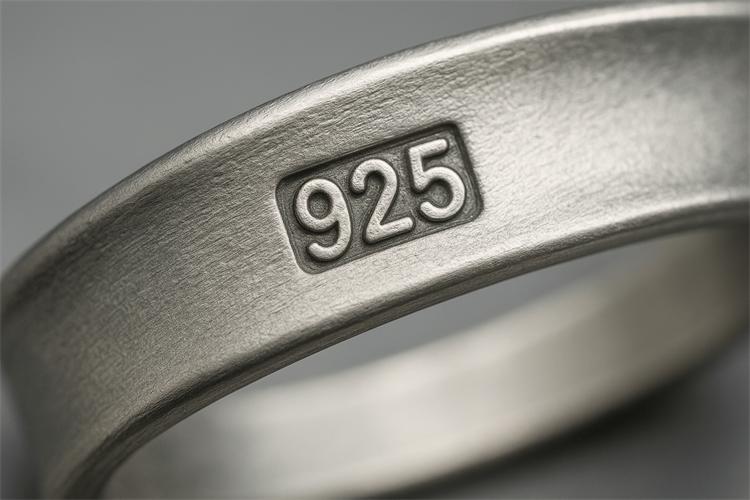
What Does 925 Mean?
The 925 hallmark, commonly known as Sterling Silver, indicates that an object contains 92.5% pure silver and 7.5% alloy metals. Sterling silver has been an important standard for fine silver jewellery, flatware, decorative objects, and luxury gifts for centuries.
A 925 mark identifies the metal standard, but it does not by itself establish the age, maker, rarity, or collector value of an object.
What Does 900 Mean?
Silver marked 900 contains 90% pure silver. This standard is frequently found on antique European tableware, coins, cups, trays, and decorative pieces produced during the nineteenth and early twentieth centuries.
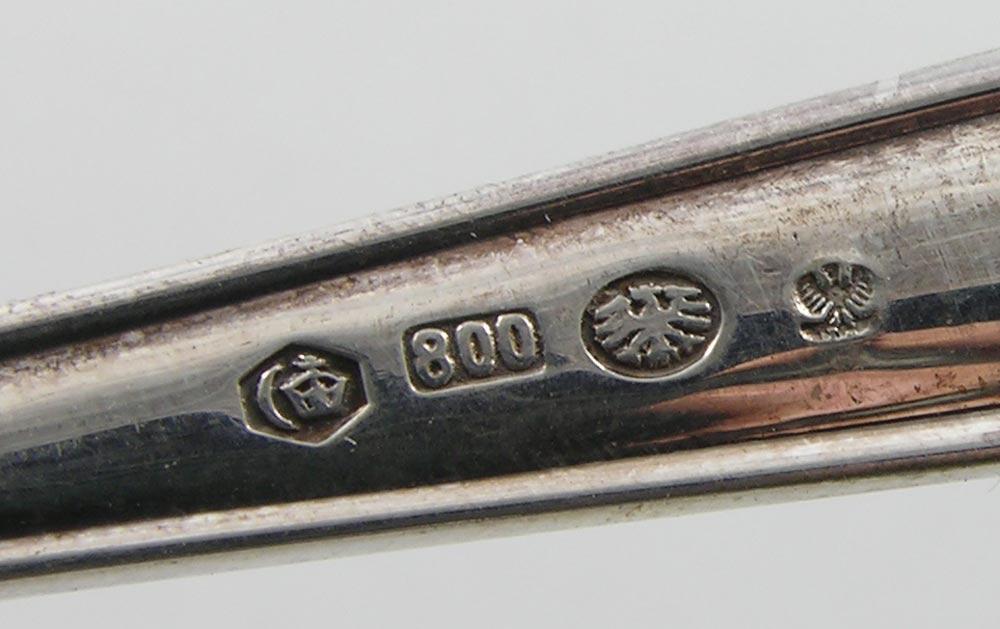
What Does 875 Mean?
The 875 mark indicates that an object contains 87.5% pure silver. It is often associated with Russian, Eastern European, and other regional silver traditions, although the complete set of marks must be examined before assigning an origin.
What Does 835 Mean?
Silver marked 835 contains 83.5% pure silver. This standard appears on many German, Dutch, and continental European objects, including jewellery, flatware, serving pieces, and decorative silver.
What Does 800 Mean?
The 800 hallmark indicates 80% pure silver. It is one of the most common silver standards found on continental European antiques, especially pieces originating from Germany, Italy, Austria, France, and other European countries. Antique cutlery, candlesticks, tea sets, serving trays, sugar bowls, and decorative objects are often marked 800.
Common Silver Standards
| Hallmark | Pure Silver | Common Use |
|---|---|---|
| 999 | 99.9% | Investment silver and bullion |
| 958 | 95.8% | Britannia silver |
| 950 | 95% | Luxury silverware and jewellery |
| 935 | 93.5% | German and Austrian antiques |
| 925 | 92.5% | Sterling silver |
| 900 | 90% | Coins and antique silverware |
| 875 | 87.5% | Russian and Eastern European silver |
| 835 | 83.5% | German and Dutch silver |
| 800 | 80% | Continental European antiques |
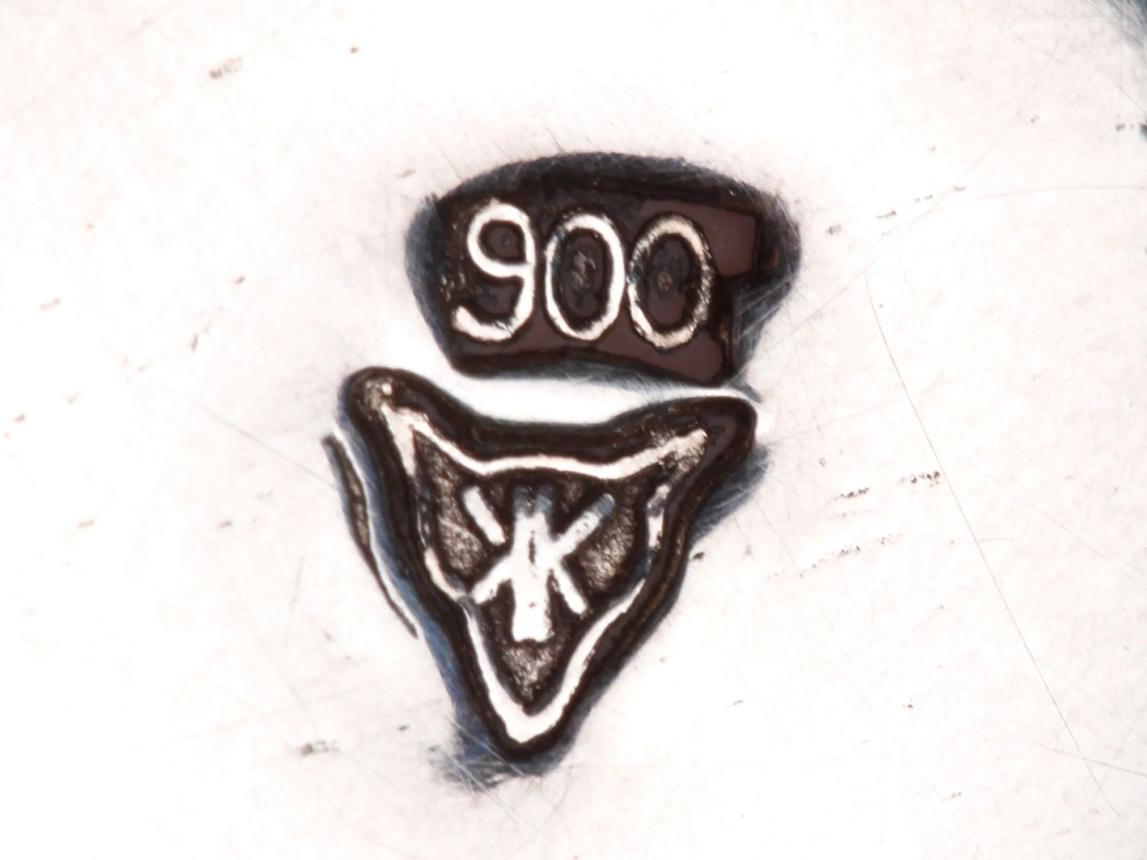
Where Can You Find a Silver Hallmark?
Silver hallmarks are usually stamped on the underside of an object, inside rings, on bracelet clasps, on the backs of spoons and forks, or underneath trays and serving pieces. Alongside the purity mark, you may also find a maker’s mark, assay office symbol, date letter, or national hallmark.
For a wider explanation of identifying symbols, read What Are Antique Marks and Hallmarks?.
Silver Fineness Mark vs. Maker’s Mark
A silver fineness mark such as 925 or 800 indicates the proportion of pure silver in the alloy. A maker’s mark identifies the craftsman, workshop, company, or manufacturer responsible for producing the object.
These marks serve different purposes and should be interpreted together. An object marked 800 may also carry a workshop symbol, assay-office stamp, or date letter that provides additional information about its origin and period.
Does the Absence of a Hallmark Mean an Item Is Not Silver?
Not necessarily. Many antique silver objects have worn or partially erased hallmarks due to decades of use and polishing. In other cases, markings may never have been required under local regulations.
Professional examination, acid testing, or modern XRF analysis can help determine whether an item is genuine silver. Testing should be performed carefully, because unsuitable methods may damage an antique surface or remove part of its original patina.
Can Silver Hallmarks Be Forged?
Yes. Purity numbers, maker’s marks, and official-looking stamps can be copied or added to later objects. A mark alone therefore does not prove authenticity.
Specialists also examine the metal, construction, craftsmanship, wear patterns, style, and historical consistency of the entire object. Suspiciously fresh marks, irregular lettering, or stamps that do not match the object’s construction may require closer investigation.
Does a Higher Silver Standard Mean Greater Value?
Not always. While silver content contributes to intrinsic value, an antique’s market price is often determined by its age, rarity, maker, craftsmanship, historical significance, provenance, condition, and collector demand.
An exceptionally rare 800 silver object may be considerably more valuable than a modern item marked 925. This is why a complete professional antique valuation considers much more than metal content alone.
How to Prepare Antique Silver for Identification
- Do not polish the object aggressively.
- Photograph the entire object from several angles.
- Take clear close-up photographs of every mark.
- Include dimensions and approximate weight.
- Photograph handles, hinges, feet, interiors, and construction details.
- Include any known history or provenance.
- Do not use acid or chemical tests without specialist advice.
Clear photographs of both the object and its marks often allow an initial professional assessment without risking damage to the original surface.
Related Guides
- What Are Antique Marks and Hallmarks?
- What Is a Maker’s Mark?
- What Is Authenticity?
- What Is Patina?
- What Is an Antique?
- What Is a Collectible?
Explore Related Antiques
Browse silverware, decorative metalwork, tableware, and other antique interior objects in our collection:
Continue reading in Stories & Knowledge or request a professional antique silver valuation.
Conclusion
Understanding silver hallmarks is one of the first steps in identifying antique silver. Whether you encounter 925 Sterling Silver, 900, 875, 835, or 800 silver, these marks provide valuable information about composition and may offer clues about origin and age.
Combined with maker’s marks, official hallmarks, craftsmanship, condition, provenance, and historical context, they help collectors and specialists form a more reliable opinion about an antique silver object.
