
What Are Antique Marks and Hallmarks?
Antique marks and hallmarks are identifying symbols, stamps, inscriptions and logos found on antiques and collectibles. They provide valuable information about an object’s maker, manufacturer, country of origin, material, age and authenticity.
For collectors, antique dealers and museums, marks and hallmarks are often the first clues used when identifying an object. A small porcelain backstamp, silver hallmark or maker’s mark can reveal centuries of history and sometimes significantly increase an object’s collector value.
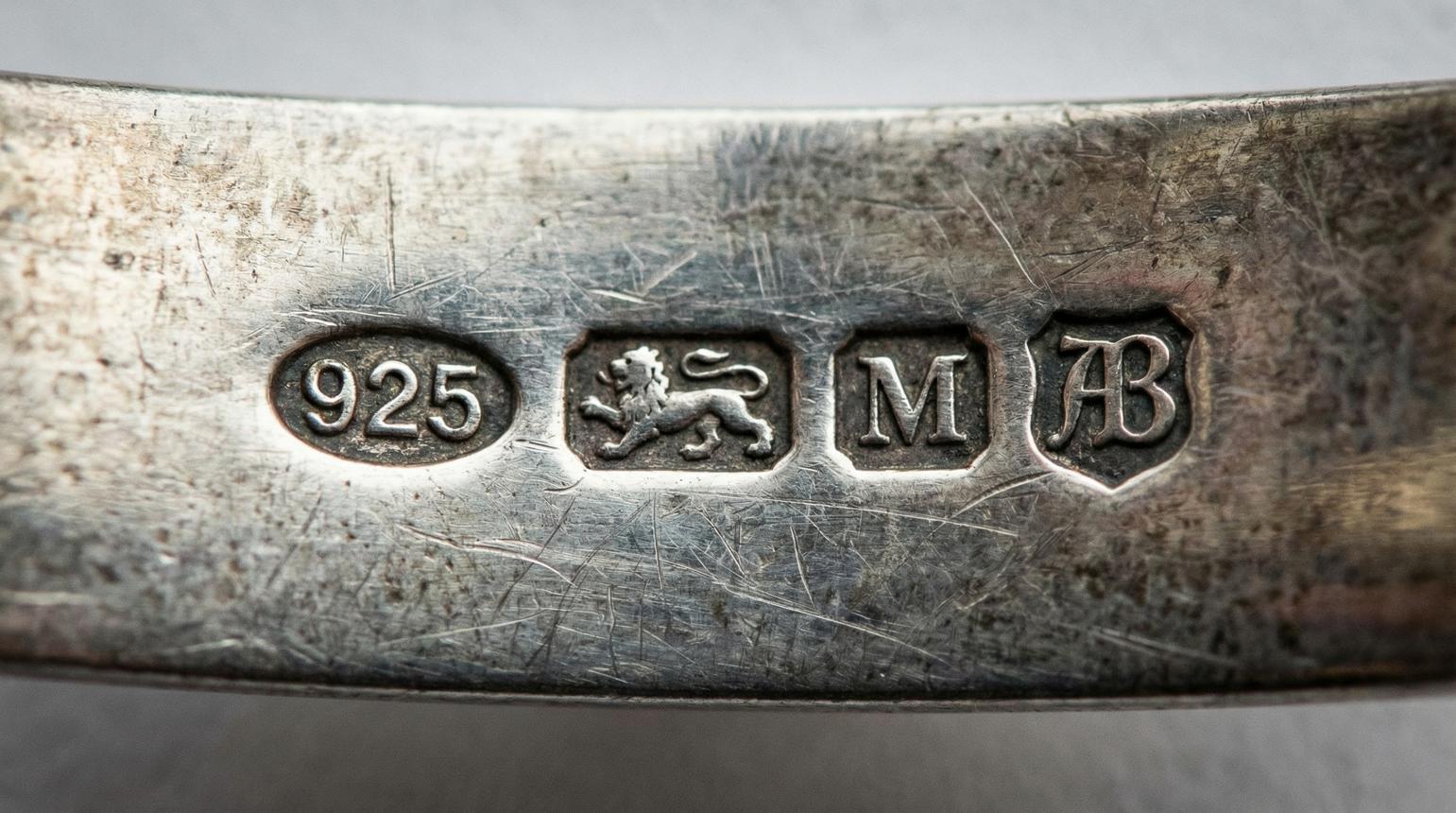
What Is an Antique Mark?
An antique mark is any identifying symbol intentionally applied to an object by its maker, manufacturer or official authority. Marks may be stamped, impressed, painted, engraved, moulded or printed depending on the material and manufacturing process.
Marks are found on almost every category of antiques, including porcelain, silver, gold, furniture, books, watches, military antiques, ceramics and glass. Understanding them is an important part of professional antique identification and valuation.
What Is a Hallmark?
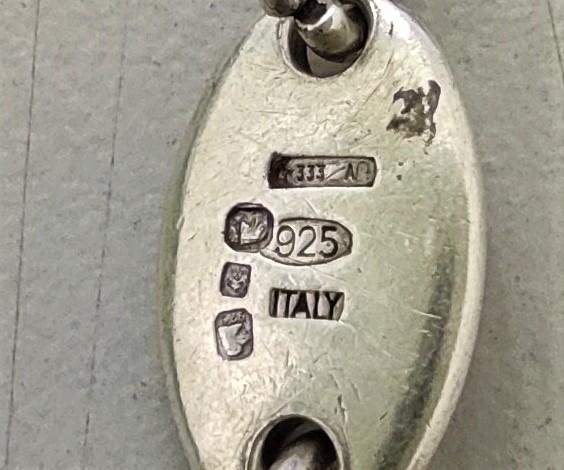
A hallmark is a specific type of official mark primarily used on precious metals such as silver, gold and platinum. Hallmarks certify the purity of the metal and often identify the assay office, country and manufacturer responsible for the object.
Although many collectors use the word “hallmark” to describe any antique mark, professional terminology distinguishes official hallmarks from factory marks, signatures and maker’s marks.
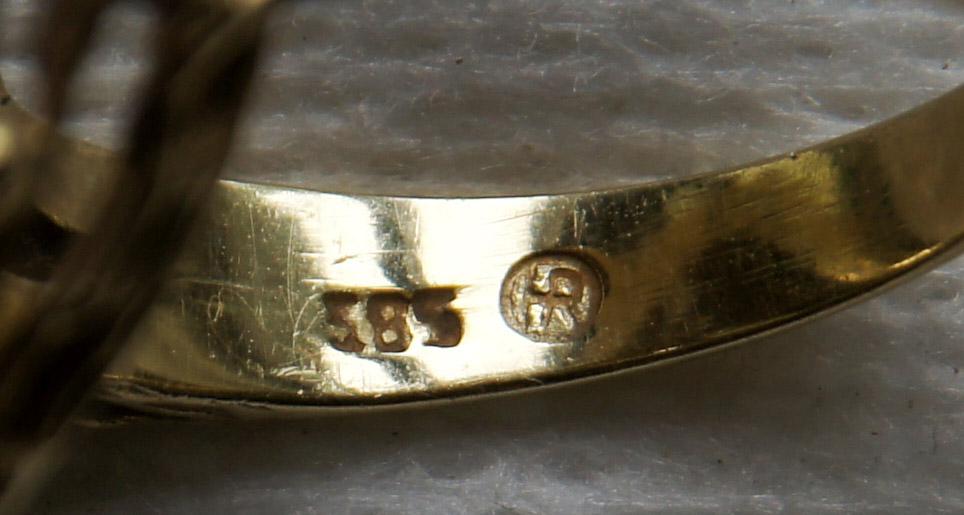
What Information Can Marks Reveal?
- Manufacturer or maker
- Country of origin
- Production period
- Material or metal purity
- Workshop or factory
- Artist or decorator
- Pattern or model number
- Authenticity
- Collector value
Common Types of Antique Marks
Maker’s Marks
Personal marks identifying the craftsman, silversmith, cabinetmaker or artist who created the object. Learn more in What Is a Maker’s Mark?.
Factory Marks
Marks identifying the company or factory that manufactured an object.
Porcelain Marks
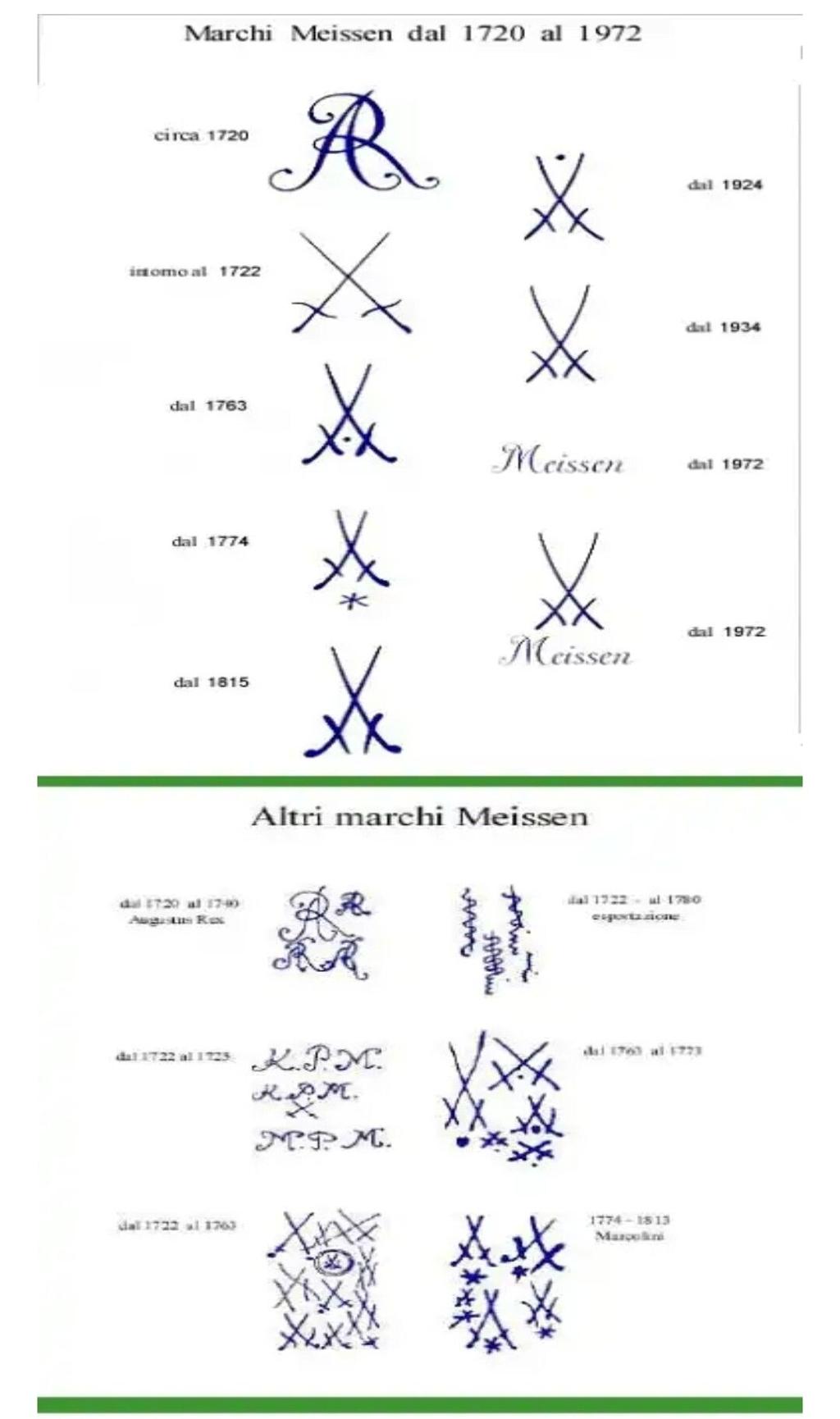
Factory marks found on porcelain, often called porcelain backstamps by collectors. Our detailed porcelain marks guide explains how these symbols help identify factories and production periods.
Hallmarks
Official marks certifying the purity of precious metals.
Inspection Marks
Official military or factory inspection stamps used for quality control.
Where Can Antique Marks Be Found?
- Under porcelain and ceramics
- Inside jewellery
- On silver cutlery
- Inside watch cases
- Under furniture
- On military antiques
- On medals and coins
- Inside books
- On sculptures
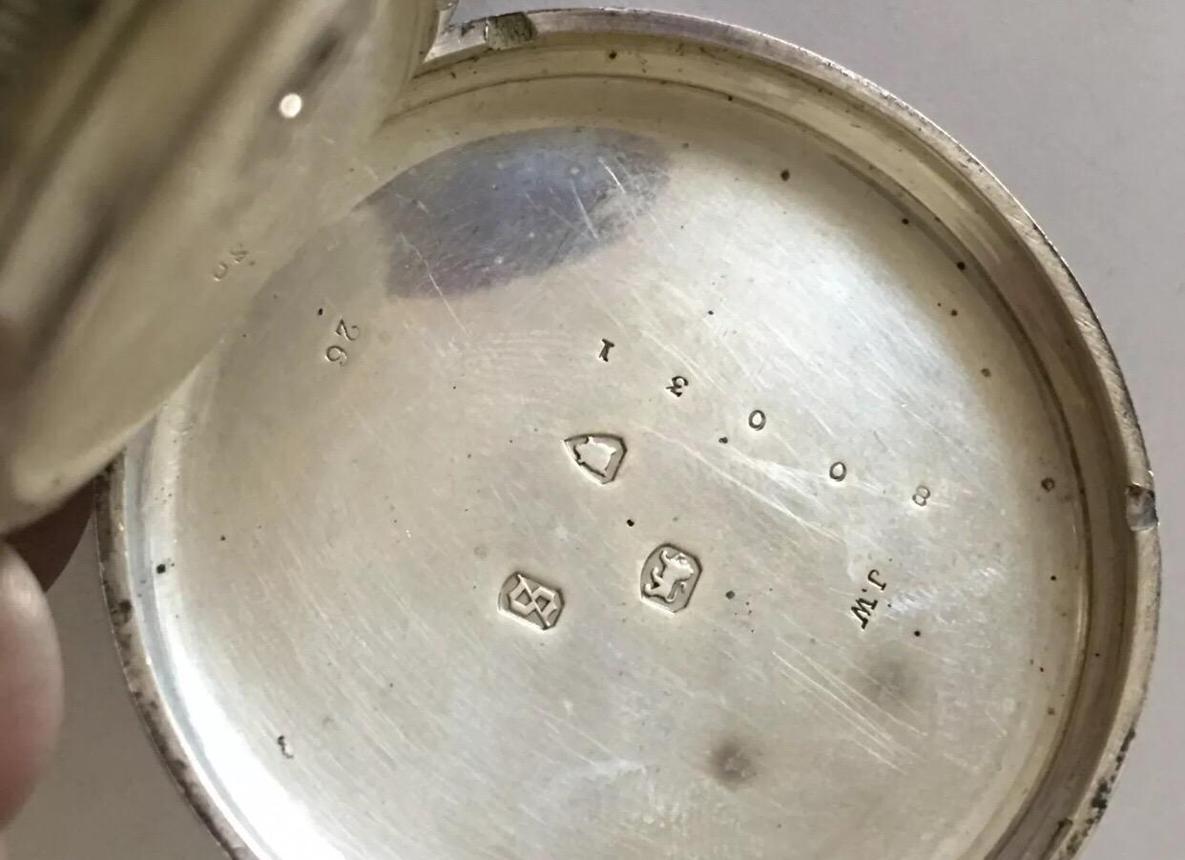
Porcelain Marks and Backstamps
Porcelain collectors frequently use the terms porcelain marks, china marks and porcelain backstamps when describing the factory marks found on the underside of porcelain pieces.
These marks often reveal the manufacturer, production period, decorator and country of origin. However, a mark should always be studied together with the porcelain body, glaze, decoration, shape and signs of natural ageing.
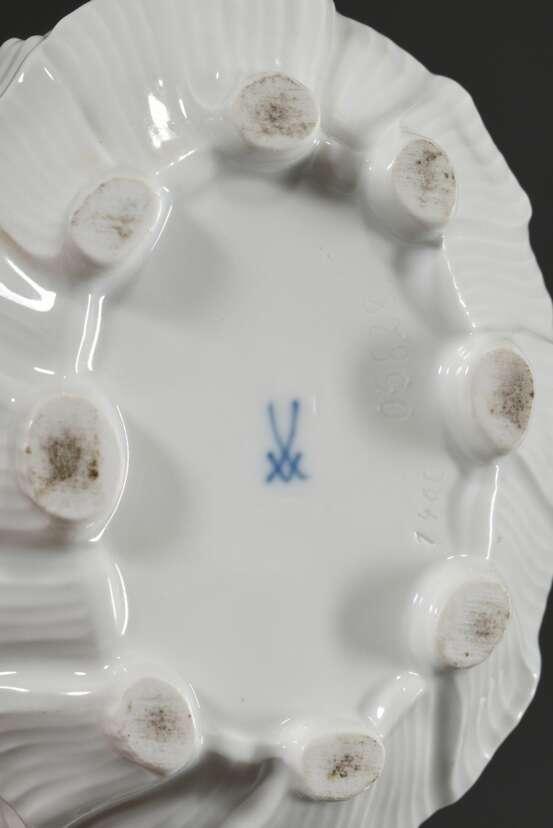
How Experts Identify Antique Marks
Professional identification involves much more than simply matching a mark with an image found online. Experienced collectors, museum specialists and antique dealers examine the entire object before reaching a conclusion.
Marks are studied together with the object’s materials, craftsmanship, manufacturing techniques, style, patina, wear patterns and historical context. This combined approach provides the most reliable identification.
Methods Used to Identify Antique Marks
| Method | Purpose |
|---|---|
| Maker’s Marks | Identify the individual craftsman or manufacturer. |
| Factory Marks | Determine the producing company. |
| Hallmarks | Verify precious metal purity. |
| Porcelain Backstamps | Identify porcelain manufacturers and production periods. |
| Style Analysis | Compare design with historical periods. |
| Material Analysis | Confirm whether the materials match the claimed age. |
| Construction Techniques | Evaluate manufacturing methods. |
| Provenance | Study ownership history and documentation. |
Can Antique Marks Be Forged?
Yes. Unfortunately, counterfeit marks and fake hallmarks have existed for centuries. Some reproductions and replicas carry copied factory marks or artificially aged stamps designed to imitate genuine antiques.
Because of this, professional identification never relies on the mark alone. Experts always evaluate the entire object, including its materials, construction, craftsmanship, age and condition. Understanding authenticity is therefore essential when interpreting any mark.
Common Mistakes Beginners Make
- Assuming every old-looking mark is genuine.
- Ignoring the quality of the object itself.
- Confusing factory marks with official hallmarks.
- Believing every marked object is valuable.
- Ignoring signs of restoration or replacement parts.
- Relying only on internet image searches.
Professional Antique Identification
If you have discovered an unfamiliar mark or hallmark on an antique, professional identification can often reveal the manufacturer, country of origin, production period and approximate market value.
Many important details cannot be determined from the mark alone. A complete evaluation considers the object’s materials, craftsmanship, style, provenance and historical context.
➡ Request a Professional Antique Valuation
Related Guides
- What Is a Maker’s Mark?
- What Are Porcelain Marks?
- How to Identify Meissen Porcelain
- How to Identify Rosenthal Porcelain
- How to Identify Limoges Porcelain
- How to Identify Royal Copenhagen Porcelain
- How to Identify Wedgwood
- What Is Authenticity?
- What Is Patina?
- How Is Antique Porcelain Valued?
Explore Related Collections
Browse porcelain, ceramics, silver, decorative objects and other marked antiques in our shop:
Continue reading in Stories & Knowledge or request a professional antique identification and valuation.
Conclusion
Antique marks and hallmarks are much more than decorative symbols. They serve as historical records that connect an object to its maker, period and place of origin. Learning to recognise and interpret these marks is one of the most valuable skills for collectors, antique dealers and historians.
Whether you are researching porcelain backstamps, silver hallmarks, factory marks or maker’s marks, understanding these identifying symbols will help you make more informed collecting decisions and gain a deeper appreciation for the history behind every antique.
