
What Is Restoration?
Restoration is the careful process of preserving, repairing, and stabilising a damaged, worn, or partially deteriorated object while respecting its historical, artistic, and collectible significance. In the world of antiques, the purpose of restoration is not to make an object appear brand new, but to preserve as much original material as possible, maintain its historical integrity, and extend its life for future generations.
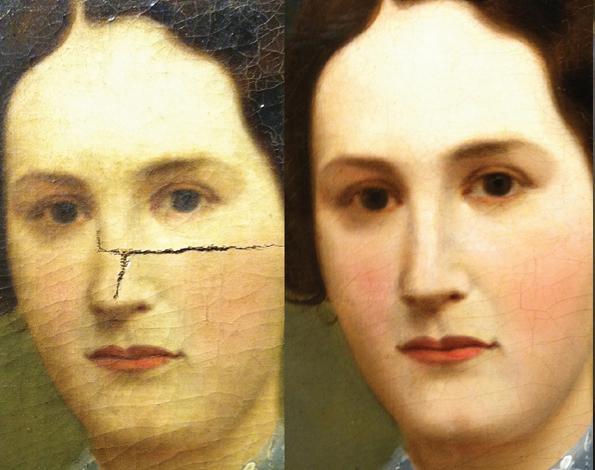
What Is Restoration?
Restoration is a specialised discipline that combines traditional craftsmanship, historical research, conservation science, and ethical decision-making. Its objective is to preserve an object’s authenticity while carefully repairing damage caused by age, accidents, environmental conditions, or previous inappropriate repairs.
Unlike ordinary repairs, professional restoration respects an object’s originality, historical character, construction methods, and surviving materials. The best restorations are often almost invisible, allowing an antique to retain its genuine appearance rather than looking newly manufactured.
Every antique tells a story through its natural wear, patina, craftsmanship, and historical use. Good restoration protects that story instead of removing it.
Why Is Restoration Important?
Without proper restoration, many historic objects would continue to deteriorate until valuable information, craftsmanship, and original materials are permanently lost.
Professional restoration helps preserve cultural heritage by stabilising fragile objects before damage becomes irreversible. Museums, collectors, auction houses, and conservation laboratories regularly restore important antiques so they can survive for future generations.
The goal is preservation rather than perfection. Small signs of age often contribute to an antique’s authenticity and collector appeal, making complete visual perfection undesirable.
In many cases, preserving an object’s original condition is considerably more valuable than attempting to make it appear new.
What Is the Purpose of Restoration?
Professional restoration serves several important purposes beyond simply improving appearance.
- Stopping further deterioration
- Stabilising fragile structures
- Preserving original materials
- Protecting historical authenticity
- Extending the object’s lifespan
- Improving safe handling and display
- Supporting museum preservation
- Maintaining collector value whenever possible
Good restoration enhances preservation without disguising an object’s true age, history, or craftsmanship.
For valuable antiques, every restoration decision should balance historical preservation with long-term stability.
Which Objects Can Be Restored?
Almost every category of antique can benefit from professional restoration when appropriate.
- Antique furniture
- Paintings and works on paper
- Icons and religious art
- Clocks and watches
- Silver and gold objects
- Porcelain and ceramics
- Bronze and brass antiques
- Sculptures
- Rare books and manuscripts
- Historical documents
- Coins and medals
- Military artefacts and collectibles
- Scientific instruments
Every category requires different restoration techniques. A porcelain conservator works very differently from a furniture restorer, while restoring a painting requires completely different materials and scientific knowledge.
Different Types of Restoration
Restoration is not a single process. Specialists often focus on one specific area of expertise developed over many years.
Furniture Restoration
Furniture restoration may include stabilising joints, repairing veneers, conserving original finishes, treating woodworm damage, replacing missing mouldings, and preserving historical construction methods.
Modern sanding or applying thick polyurethane finishes often destroys historical character and should generally be avoided on valuable antiques.
Painting Restoration
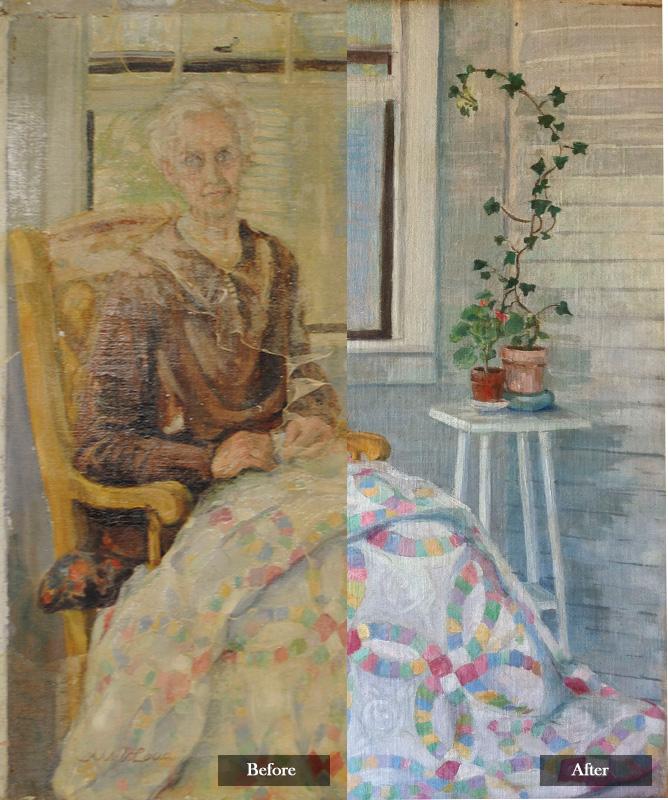
Painting restoration may involve cleaning aged varnish, repairing tears, consolidating unstable paint layers, filling losses, and carefully retouching damaged areas while preserving the artist’s original work.
Every intervention should remain as reversible as modern conservation standards allow.
Porcelain and Ceramic Restoration
Porcelain restoration includes repairing cracks, stabilising fractures, replacing missing sections where appropriate, and colour matching damaged glaze while preserving the original ceramic body.
Collectors generally prefer repairs that remain discreet and do not disguise the object’s true history.
For porcelain-specific restoration methods, damage assessment and collector advice, see our complete guide to
Antique Porcelain Restoration.
Metal Restoration
Silver, gold, bronze, brass, and copper antiques often require careful cleaning, corrosion stabilisation, structural repairs, and preservation of original patina.
Excessive polishing frequently removes historic surface character and may reduce collector value, especially on antique silver bearing original hallmarks or gold objects carrying historic gold purity marks.
Book and Paper Restoration
Books, manuscripts, maps, and historical documents require specialised conservation techniques involving paper repair, deacidification, binding conservation, and environmental protection.
Poor restoration can permanently damage fragile paper fibres and significantly reduce historical value.
What Is the Difference Between Restoration and Repair?
Although these words are often used interchangeably, they describe very different approaches.
A standard repair usually focuses on making an object functional again, often using modern materials without considering historical authenticity.
Professional restoration is a far more specialised discipline. It aims to preserve original craftsmanship, retain authentic materials wherever possible, respect historical construction techniques, and minimise intervention.
For example, replacing an original clock movement with a modern mechanism may repair the clock, but it would not generally be considered proper restoration. Likewise, replacing antique wood with modern manufactured components may solve a structural problem while reducing historical authenticity.
The guiding principle of professional restoration is simple: preserve as much of the original object as possible while making only the minimum intervention necessary for long-term preservation.
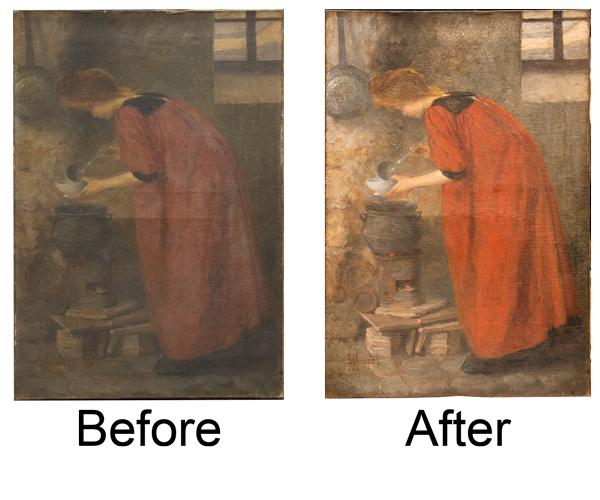
Can Poor Restoration Reduce an Antique’s Value?
Yes. Poor restoration is one of the most common reasons antiques lose historical significance and collector value. Inappropriate restoration often removes original materials, alters historical construction, or disguises evidence that specialists use to evaluate authenticity.
Collectors generally prefer an honest patina and genuine age-related wear over excessive refinishing or modern alterations. In many cases, an untouched original antique with minor imperfections is considerably more desirable than one that has been heavily restored.
Examples of poor restoration include:
- Excessive sanding of antique furniture
- Modern synthetic varnishes covering original finishes
- Aggressive polishing that removes original silver hallmarks or gold hallmarks
- Replacing original parts without documentation
- Incorrect repainting of paintings or sculptures
- Using unsuitable adhesives on porcelain
- Cleaning away original patina
- Installing modern components inside antique mechanisms
Once original material has been removed, it can rarely be replaced. For this reason, experienced conservators always recommend the minimum intervention necessary.
Restoration vs Conservation
Although closely related, restoration and conservation are not identical.
Conservation focuses on preventing further deterioration while preserving an object exactly as it exists today. Restoration goes one step further by carefully repairing damage or reconstructing missing elements whenever this can be achieved without compromising authenticity.
In practice, professional restorers frequently combine both approaches. Conservation protects the surviving original material, while restoration addresses structural damage that might otherwise threaten the object’s future survival.
The best treatment often includes more conservation than restoration.
How Professional Restoration Is Carried Out
Every successful restoration begins with careful research rather than immediate repair.
Professional restorers first document the object’s condition through detailed photographs, measurements, written reports, and historical research before any work begins.
They then examine:
- Construction methods
- Materials and alloys
- Previous repairs
- Natural ageing
- Patina
- Maker’s marks
- Factory stamps
- Historical documentation
- Provenance
- Overall structural stability
Only after this assessment is a restoration plan developed using materials and techniques compatible with the original object. Whenever possible, professional restorations are designed to remain reversible so future specialists can safely remove or improve earlier work if necessary.
Should Every Antique Be Restored?
No.
Some antiques should remain completely untouched because even careful restoration may reduce their historical importance or collector appeal.
Highly desirable museum-quality objects often retain greater value when they remain in original condition with honest evidence of age and use.
Conversely, antiques suffering from structural instability, active corrosion, insect damage, flaking paint, torn canvas, or broken ceramic bodies may require professional intervention simply to survive.
The decision should always be made after careful examination by an experienced specialist rather than immediately attempting repairs at home.
When Should You Consult a Professional?
Before restoring any valuable antique, artwork, collectible, or family heirloom, professional advice is highly recommended.
An experienced specialist can determine:
- Whether restoration is actually necessary
- Whether conservation would be preferable
- How restoration may affect collector value
- Which materials should be used
- Whether previous repairs should be reversed
- How originality can best be preserved
Professional evaluation often prevents irreversible mistakes that could permanently reduce an object’s historical importance.
➡️ Request a Professional Evaluation of Your Item
Frequently Asked Questions
Does restoration always increase an antique’s value?
No. Professional restoration may preserve value, but excessive or poorly executed restoration can significantly reduce collector interest and market value.
Can I restore an antique myself?
Minor cleaning may be appropriate for some objects, but valuable antiques should generally be examined by a professional before any restoration is attempted.
What is the difference between restoration and conservation?
Conservation focuses on preventing further deterioration, while restoration carefully repairs damage and may reconstruct missing elements when appropriate.
Should original wear be removed?
Usually not. Honest wear and natural patina are often important evidence of authenticity and historical age.
Conclusion
Restoration combines craftsmanship, scientific knowledge, historical research, and respect for authenticity. When carried out professionally, it protects an object’s history rather than hiding it.
The finest restorations preserve original materials, respect traditional construction methods, and ensure that future generations can continue to study, appreciate, and enjoy genuine historical objects. Whenever restoration is being considered, informed professional advice remains the safest first step.
Related Articles
- What Is Conservation?
- What Is Patina?
- What Is an Original?
- What Is a Copy?
- What Is a Replica?
- What Is a Fake?
- What Is a Maker’s Mark?
- What Is a Gold Hallmark?
- What Is a Silver Hallmark?
Explore Related Collections
