
How to Identify Wedgwood
Wedgwood is one of the world’s most famous English manufacturers of fine porcelain and artistic ceramics. Founded in 1759 by Josiah Wedgwood, the company became a symbol of innovation, exceptional craftsmanship, and timeless British design. Today, authentic Wedgwood porcelain and ceramics are highly prized by collectors, museums, and antique dealers worldwide, particularly the famous Jasperware, Queen’s Ware, and Black Basalt collections.
Whether you own a Jasperware vase, a Queen’s Ware dinner plate, a Black Basalt teapot, or a fine Wedgwood bone china service, learning how to identify authentic Wedgwood is the first step toward determining its authenticity, production period, and collector value.
If you are new to collecting English ceramics, we recommend first reading What Is Porcelain?, What Is English Porcelain?, Types of Porcelain Explained, and What Are Porcelain Marks?. These articles provide an excellent foundation before identifying Wedgwood.
What Is Wedgwood?
Wedgwood is internationally renowned for producing premium porcelain, fine bone china, and artistic stoneware. Since its founding in the eighteenth century, the company has become one of Britain’s most influential manufacturers of luxury ceramics, admired for combining technical innovation with elegant neoclassical design.
The company is especially famous for its distinctive Jasperware, recognized by its smooth matte finish and elegant white classical reliefs applied to blue, green, black, lilac, sage green, and cream-colored backgrounds. Jasperware remains one of the most recognizable ceramic styles ever produced.
In addition to Jasperware, Wedgwood manufactures luxury dinner services, tea and coffee sets, decorative vases, figurines, commemorative pieces, fine bone china, and collectible giftware. Many historic collections remain highly desirable among collectors of English porcelain and ceramics.
The History of Wedgwood
Josiah Wedgwood founded the company in 1759 in Staffordshire, England, at a time when British ceramics were undergoing rapid technological development. His scientific approach to ceramic production revolutionized the industry and established Wedgwood as one of Europe’s leading luxury manufacturers.
Wedgwood introduced numerous innovations, including improved ceramic bodies, precise manufacturing techniques, and artistic collaborations with some of the finest designers and sculptors of the period. His work attracted wealthy collectors throughout Europe and earned the company international recognition.
Perhaps the greatest milestone came with the creation of Queen’s Ware, which received royal approval from Queen Charlotte. This prestigious endorsement helped establish Wedgwood as one of Britain’s premier luxury ceramic manufacturers.
Why Is Wedgwood So Famous?
Collectors admire Wedgwood because of its extraordinary combination of artistic beauty, technical innovation, and more than 260 years of uninterrupted production. Few ceramic manufacturers have influenced the history of decorative arts as profoundly as Wedgwood.
Collectors especially value Wedgwood for its:
- More than 260 years of history.
- Outstanding British craftsmanship.
- Famous Jasperware collections.
- Historic Queen’s Ware.
- Elegant Black Basalt.
- Luxury bone china.
- Neoclassical artistic design.
- Exceptional international collector reputation.
Professional specialists also determine whether an object remains an original, or whether it may instead be a later copy, a replica, or even a fake.
Wedgwood Marks and Backstamps
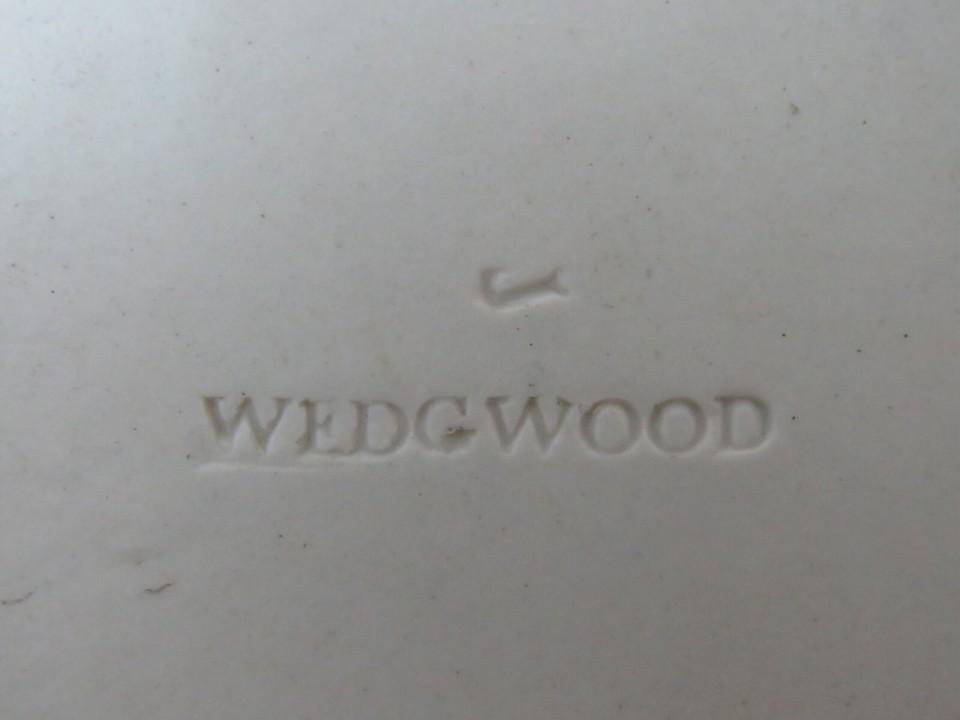
The most common identifying feature is the impressed WEDGWOOD mark, which is usually stamped directly into the body of the porcelain or stoneware rather than printed in ink. This impressed mark has been one of the company’s defining characteristics for well over two centuries.
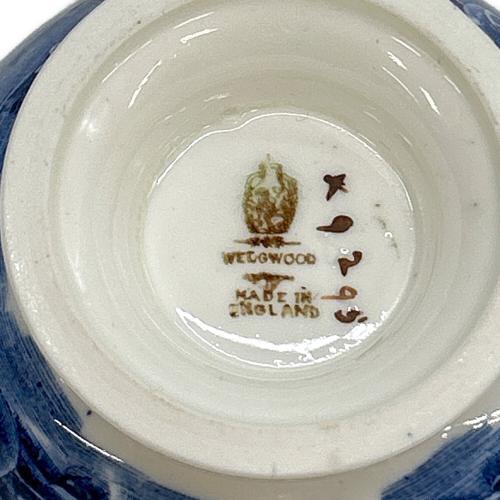
After the late nineteenth century, additional inscriptions such as ENGLAND, MADE IN ENGLAND, pattern numbers, date letters, and production codes were frequently added, making it easier to identify the production period.
Where Is the Wedgwood Mark Located?
On most authentic Wedgwood pieces, the factory mark is located on the underside. Unlike many other porcelain manufacturers, Wedgwood often used impressed backstamps instead of printed factory marks.
Collectors may also find:
- pattern numbers;
- date letters;
- production codes;
- decorator’s marks;
- potter’s marks;
- England or Made in England inscriptions.
These additional markings help specialists determine the production period, identify the collection, and verify authenticity.
How Have Wedgwood Marks Changed Over Time?
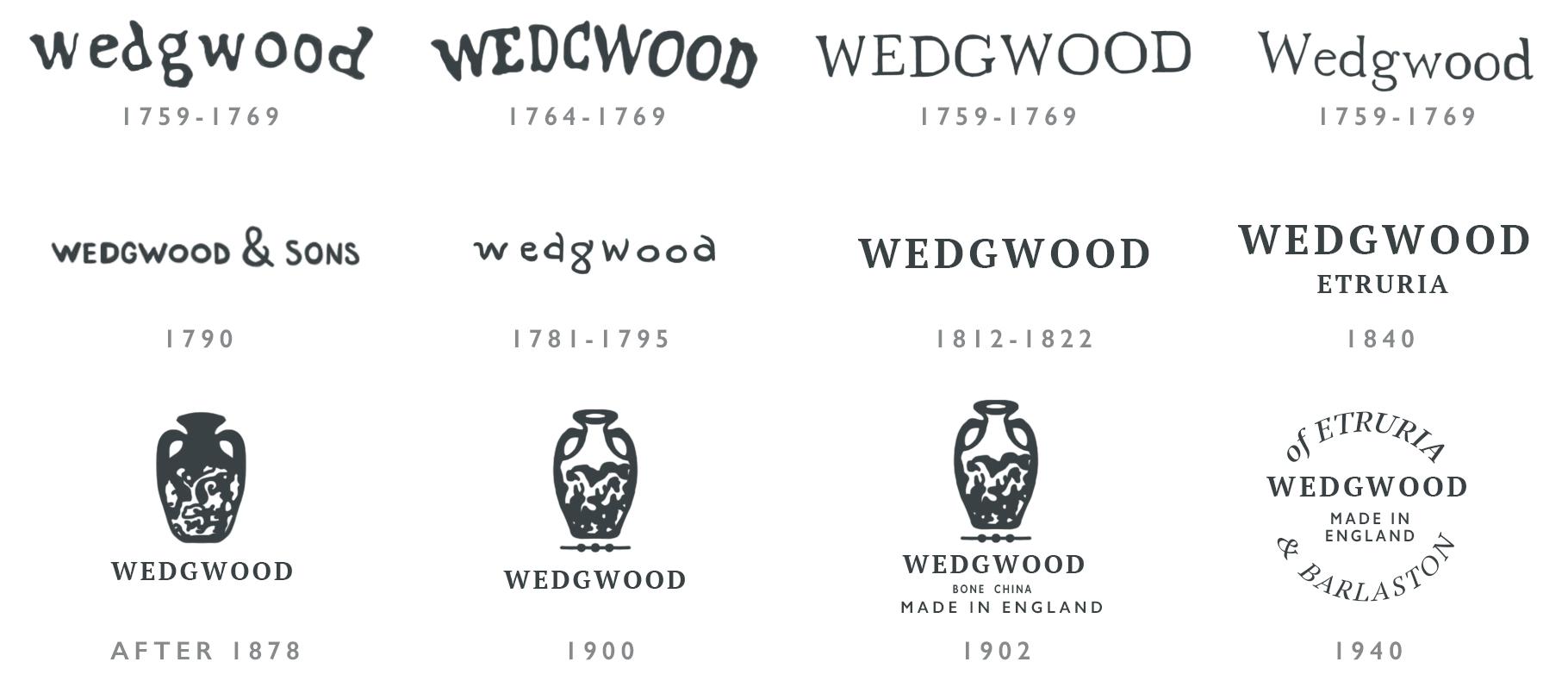
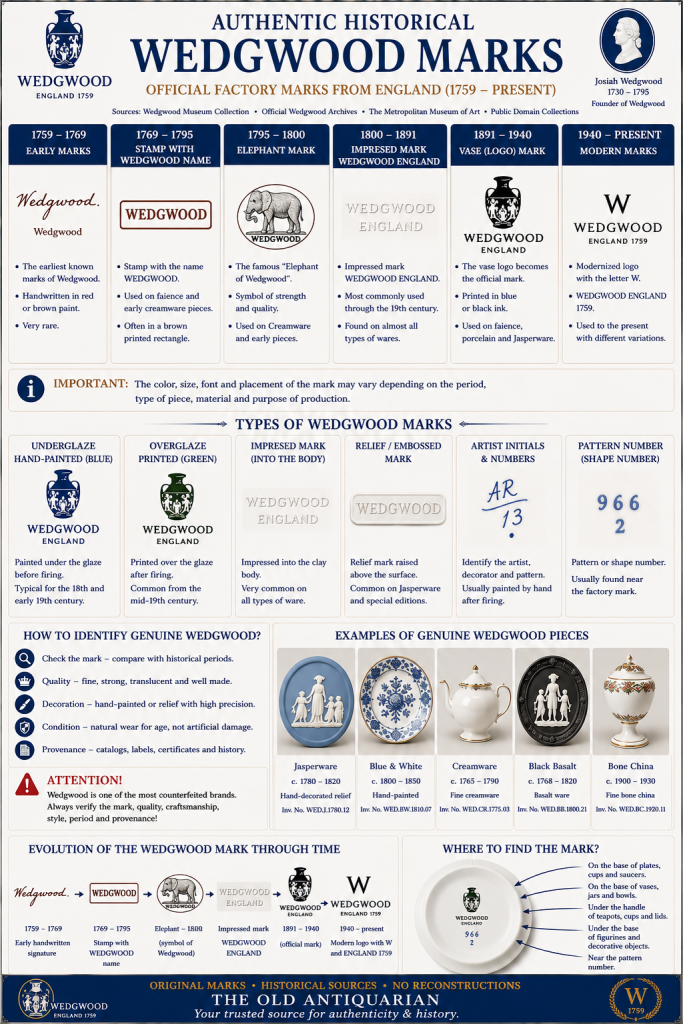
During more than 260 years of production, Wedgwood has used numerous versions of its factory marks. Changes include different lettering styles, the addition of the words England or Made in England, as well as various date letters, production codes, and impressed symbols that allow specialists to estimate when a piece was manufactured.
The earliest examples often bear a simple impressed WEDGWOOD mark, while later production includes additional wording such as England, pattern numbers, and factory dating codes. Twentieth-century pieces frequently feature coding systems that can identify the month and year of manufacture with remarkable accuracy.
By comparing impressed marks with official Wedgwood reference guides, collectors can often determine whether a piece dates from the eighteenth, nineteenth, or twentieth century.
For a broader explanation of factory marks and backstamps, see What Are Porcelain Marks?.
How to Identify Authentic Wedgwood
Authenticating Wedgwood requires much more than checking the impressed factory mark. Professional specialists carefully evaluate the material, relief decoration, glaze, craftsmanship, proportions, production techniques, and natural signs of ageing before confirming authenticity.
Authentic Jasperware is distinguished by its crisp white relief decoration, exceptionally fine detail, and smooth matte finish rather than a glossy glaze. Genuine porcelain dinner services are recognised by their excellent body quality, elegant shapes, and precisely impressed factory marks.
Professional appraisers carefully examine:
- Original impressed WEDGWOOD mark.
- High-quality porcelain or stoneware body.
- Sharp classical relief decoration.
- Smooth matte Jasperware surface.
- Pattern numbers.
- Date letters and production codes.
- England or Made in England marks.
- Excellent craftsmanship.
- Natural wear consistent with age.
Professional identification also determines whether an object remains an original, or whether it may instead be a later copy, a replica, or even a fake.
Are There Copies and Reproductions?
Yes. Because Wedgwood is one of the world’s best-known ceramic manufacturers, numerous reproductions and imitations have appeared over the years, particularly of the famous Jasperware collections.
Some copies are decorative reproductions sold honestly as modern ceramics, while others imitate original Wedgwood factory marks and impressed backstamps in an attempt to resemble antique originals.
For this reason, authenticity should never be determined solely by the impressed WEDGWOOD mark. Professional specialists always examine:
- The ceramic body.
- Relief quality.
- Glaze or matte finish.
- Factory marks.
- Production techniques.
- Craftsmanship.
- Overall artistic quality.
Collectors should be particularly cautious when purchasing expensive Wedgwood online without clear photographs of the impressed backstamp and the underside of the object.
The Most Famous Wedgwood Collections
One of the reasons Wedgwood remains one of the world’s most collectible ceramic manufacturers is its extraordinary variety of historic collections. Many have remained popular for more than two centuries and continue to command strong prices at international auctions.
- Jasperware – the iconic matte stoneware with white classical reliefs.
- Queen’s Ware – elegant cream-coloured tableware created for Queen Charlotte.
- Black Basalt – distinctive black unglazed stoneware inspired by classical antiquity.
- Bone China – luxury English porcelain dinner services.
- Fairyland Lustre – highly collectible iridescent decorative ware.
- Limited edition commemorative collections.
Among these, Jasperware remains the most recognizable Wedgwood product ever created and has become an enduring symbol of British decorative arts.
The Most Collectible Wedgwood Pieces
For more than 260 years, Wedgwood has produced some of Britain’s most important ceramic and porcelain masterpieces. Antique Wedgwood remains highly sought after by collectors because of its historical significance, exceptional craftsmanship, innovative production techniques, and timeless neoclassical design.
Collectors particularly value pieces that retain their original impressed factory marks, excellent condition, documented provenance, and crisp decorative details.
Among the most desirable Wedgwood pieces are:
- Early eighteenth-century Jasperware.
- Blue Jasperware vases.
- Rare Jasperware in lilac, sage green, black, or yellow.
- Queen’s Ware dinner services.
- Black Basalt tea sets.
- Fairyland Lustre ceramics.
- Artist-designed commemorative pieces.
- Limited edition collections.
- Bone china dinner services.
- Decorative plaques and medallions.
- Large ornamental vases.
- Museum-quality exhibition pieces.
Early Jasperware remains one of the company’s most recognizable achievements. The combination of smooth matte stoneware and delicate white relief decoration inspired by Greek and Roman antiquity has made these pieces instantly recognizable throughout the world.
What Determines the Value of Wedgwood?
The value of Wedgwood depends on many factors beyond the impressed factory mark. Two apparently similar pieces may differ greatly in market value depending on their production period, rarity, colour, collection, craftsmanship, and overall condition.
Professional appraisers carefully evaluate:
- Production period.
- Factory mark.
- Date code.
- Collection.
- Material.
- Colour.
- Relief quality.
- Pattern number.
- Overall craftsmanship.
- Condition.
- Rarity.
- Historical importance.
- Documented provenance.
- Collector demand.
Collectors generally pay the highest prices for Wedgwood that remains in excellent original condition, retains its original impressed marks, and shows no evidence of poor restoration or heavy damage.
Professional specialists also determine whether an object has undergone previous restoration or conservation. Proper conservation can preserve historical integrity, while poor repairs, repainting, glued breaks, or replacement parts may substantially reduce collector value.
Wedgwood in the International Collectors’ Market
Wedgwood occupies one of the highest positions in the international ceramics and porcelain market. Museums, antique dealers, auction houses, and private collectors throughout Europe, North America, and Asia continue to seek authentic Wedgwood because of its historical importance and exceptional artistic quality.
Collectors value Wedgwood because it combines:
- More than 260 years of uninterrupted production.
- Outstanding British craftsmanship.
- Historic innovation in ceramic technology.
- The world-famous Jasperware collections.
- Elegant Queen’s Ware.
- Exceptional Black Basalt.
- Luxury English bone china.
- Strong international collector demand.
Few manufacturers have influenced the history of ceramics as profoundly as Wedgwood. Josiah Wedgwood’s innovations helped transform ceramic production into both an industrial and artistic achievement, making the company one of the most respected names in decorative arts.
Collectors frequently compare Wedgwood with other prestigious European manufacturers such as Meissen, Herend, Rosenthal, Limoges, and Royal Copenhagen, while recognising Wedgwood’s unique contribution to the history of English porcelain and British decorative arts.
How to Care for Antique Wedgwood
Authentic Wedgwood porcelain and ceramics have survived for more than 260 years because of their exceptional craftsmanship and durable materials. Nevertheless, antique pieces should always be handled with great care to preserve both their historical importance and collector value.
Collectors should always support an object by its strongest structural points. Handles, lids, finials, applied reliefs, and decorative ornaments should never be used to lift an object, as these are the areas most vulnerable to accidental damage.
To help preserve antique Wedgwood:
- Handle objects with clean, dry hands.
- Avoid sudden temperature changes.
- Keep ceramics away from prolonged direct sunlight.
- Protect valuable pieces from vibration and accidental impacts.
- Display collections inside enclosed cabinets whenever possible.
- Use padded shelves for Jasperware plaques and decorative objects.
- Never stack valuable ceramics without protective padding.
- Dust regularly using a soft microfiber cloth.
- Avoid abrasive cleaners and harsh household chemicals.
- Never place antique Wedgwood in a dishwasher.
Special care should be taken with Jasperware relief decoration. Although the white reliefs appear durable, they can chip if struck or handled carelessly. Antique Black Basalt and Queen’s Ware should likewise be protected from impacts and improper cleaning.
If damage occurs, professional conservation is generally preferable to unnecessary restoration. Whenever repairs are required, they should be carried out using reversible conservation methods that preserve as much original material as possible.
When Should You Seek a Professional Wedgwood Appraisal?
If you own a piece marked Wedgwood and would like to determine its authenticity, production period, collection, or approximate market value, obtaining a professional appraisal is often the safest course of action.
Professional evaluation is especially recommended before:
- Buying valuable Wedgwood.
- Selling inherited collections.
- Sending ceramics to auction.
- Restoring damaged objects.
- Obtaining insurance.
- Dividing family collections.
- Donating important pieces to museums or institutions.
Professional appraisers examine much more than the impressed factory mark. They carefully evaluate the ceramic body, porcelain quality, relief decoration, glaze, production techniques, pattern numbers, provenance, condition, craftsmanship, and historical consistency before determining authenticity and market value.
➡️ Request a Professional Antique Valuation
Frequently Asked Questions
Is Wedgwood valuable?
Yes. Authentic Wedgwood is among the world’s most collectible English ceramics. Early Jasperware, Black Basalt, Queen’s Ware, rare colours, limited editions, and museum-quality pieces often achieve impressive prices at international auctions.
How can I identify authentic Wedgwood?
Authenticity is determined by examining the impressed WEDGWOOD mark, ceramic body, porcelain quality, relief decoration, production techniques, craftsmanship, pattern numbers, and natural signs of ageing. Professional authentication never relies on the factory mark alone.
Is Jasperware porcelain?
No. Jasperware is a fine unglazed stoneware rather than porcelain. It is distinguished by its smooth matte surface and elegant white classical relief decoration applied to coloured backgrounds.
Can Wedgwood be dated by its marks?
Yes. Many Wedgwood pieces include impressed factory marks, date letters, pattern numbers, and production codes that allow specialists to estimate the production period with considerable accuracy.
Which Wedgwood collections are the most collectible?
Among the most desirable collections are Jasperware, Queen’s Ware, Black Basalt, Fairyland Lustre, early bone china services, and rare commemorative editions produced during the eighteenth and nineteenth centuries.
Can Wedgwood be a good investment?
Exceptional Wedgwood with documented provenance, excellent condition, original impressed factory marks, and rare colours or patterns has maintained strong international collector demand for generations. Museum-quality examples continue to perform exceptionally well at major auctions.
Conclusion
Wedgwood represents one of the greatest achievements in the history of British ceramics and decorative arts. Since 1759, the company has combined innovation, artistic excellence, and remarkable craftsmanship to create objects admired by collectors throughout the world.
Correct identification requires careful examination of the impressed factory mark, ceramic body, porcelain quality, relief decoration, production techniques, craftsmanship, historical context, and provenance. Together, these characteristics enable collectors to distinguish authentic Wedgwood from later reproductions while appreciating the extraordinary artistry behind every piece.
Whether you are researching a treasured family heirloom, expanding an English ceramics collection, or purchasing your first Jasperware masterpiece, understanding Wedgwood’s history and craftsmanship will help you make informed collecting decisions and gain a deeper appreciation for one of Britain’s greatest artistic traditions.
Continue Learning
- What Is Porcelain?
- Types of Porcelain Explained
- Porcelain vs Faience vs Ceramic
- What Are Porcelain Marks?
- What Is English Porcelain?
- How to Identify Meissen Porcelain
- How to Identify Herend Porcelain
- How to Identify Rosenthal Porcelain
- How to Identify Limoges Porcelain
- How to Identify Royal Copenhagen Porcelain
- What Is German Porcelain?
- What Is French Porcelain?
- What Is Hungarian Porcelain?
- What Is Danish Porcelain?
- What Is a Maker’s Mark?
- What Is Restoration?
- What Is Conservation?
- What Is an Original?
- What Is a Copy?
- What Is a Replica?
- What Is a Fake?
- What Is a Certificate of Authenticity?
Explore Related Collections
