
How to Date Antique Porcelain: A Complete Guide to Determining Age
Dating antique porcelain is the process of determining when a porcelain object was manufactured. Whether you own an old vase, tea set, figurine, decorative plate or a family heirloom, understanding its approximate age is one of the most important steps in identifying its history, authenticity and potential value.
Unlike many people believe, porcelain cannot usually be dated by a single feature. Professional appraisers examine the factory mark, artistic style, shape, porcelain body, glaze, decoration, manufacturing techniques and natural wear before reaching a conclusion.
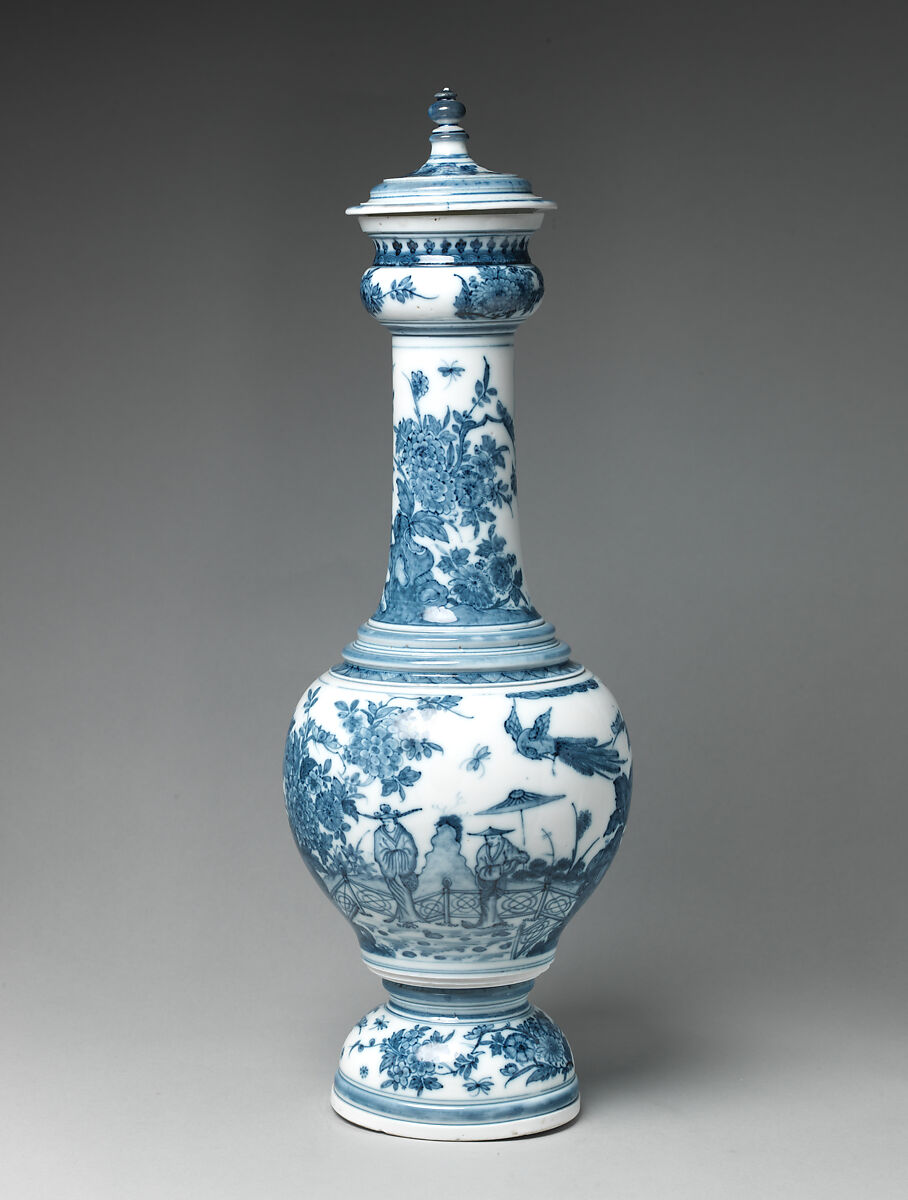
This guide is part of our
Antique Guides
collection, where you’ll find detailed resources on identifying, collecting, valuing and preserving antique porcelain.
Quick Answer
The most reliable way to date antique porcelain is by combining several independent clues. Factory marks provide an excellent starting point, but they should always be verified by examining the shape, artistic style, glaze, decoration, manufacturing technique and natural signs of age. When all of these characteristics point to the same period, the estimated production date becomes much more reliable.
What You’ll Learn in This Guide
- How professionals determine the age of antique porcelain.
- How factory marks help identify production periods.
- How Meissen and Wedgwood marks evolved over time.
- How shape and artistic style reveal different historical periods.
- How glaze, decoration and manufacturing methods provide dating clues.
- How to distinguish genuine age from artificial ageing.
- When professional appraisal becomes necessary.
Before Dating Your Porcelain
Before trying to determine its age, make sure the object is actually porcelain and not earthenware, stoneware or a later reproduction. Dating the wrong material almost always leads to incorrect conclusions.
Begin by examining the porcelain body, translucency, factory mark, decoration and natural wear. If you’re still unsure whether your object is genuine antique porcelain, we recommend reading
How to Identify Antique Porcelain
before continuing.
For definitions of important collecting terms, visit our
Antique Collectors’ Glossary,
where you’ll find articles explaining porcelain marks, authenticity, provenance, restoration and many other essential concepts.
Why Is Dating Antique Porcelain So Difficult?
Many porcelain factories produced similar designs for decades. A vase originally created in the eighteenth century may have been reproduced several times throughout the nineteenth and twentieth centuries. Decorative styles such as Rococo or Neoclassicism were also frequently revived long after they first appeared.
Another challenge comes from reproductions. Modern manufacturers often copy historical shapes, floral decorations and even famous factory marks. A porcelain object may therefore look much older than it actually is.
At the same time, genuine antique porcelain that has spent decades inside a display cabinet may show surprisingly little wear. Excellent condition alone should never be interpreted as evidence that an object is modern.
Common Reasons for Incorrect Dating
- Relying only on the factory mark.
- Confusing artistic style with production date.
- Assuming every crackled glaze indicates great age.
- Ignoring later reproductions.
- Using unreliable online mark charts.
- Comparing objects only with online marketplace listings.
- Overlooking previous restorations or replacement parts.
The Seven Most Reliable Dating Methods
Professional appraisers rarely depend on a single characteristic. Instead, they combine several independent observations before estimating the production period.
| Dating Method | Reliability | What It Can Reveal |
|---|---|---|
| Factory Mark | ★★★★★ | Manufacturer, production period, model or series. |
| Shape | ★★★★☆ | Historical period and stylistic development. |
| Artistic Style | ★★★★★ | Baroque, Rococo, Neoclassical, Art Nouveau, Art Deco and later styles. |
| Manufacturing Technique | ★★★★☆ | Hand craftsmanship versus industrial production. |
| Glaze | ★★★★☆ | Technological characteristics and production quality. |
| Decoration | ★★★★☆ | Hand painting, transfer printing, gilding and decorative techniques. |
| Natural Wear | ★★★☆☆ | Long-term use, ageing and later alterations. |
The more of these characteristics point to the same production period, the more accurate the estimated age is likely to be.
1. Start with the Factory Mark
The factory mark is usually the first feature specialists examine. It may appear under the glaze, over the glaze, impressed into the porcelain body or applied by hand. Many objects also include additional numbers, decorators’ marks or production codes.
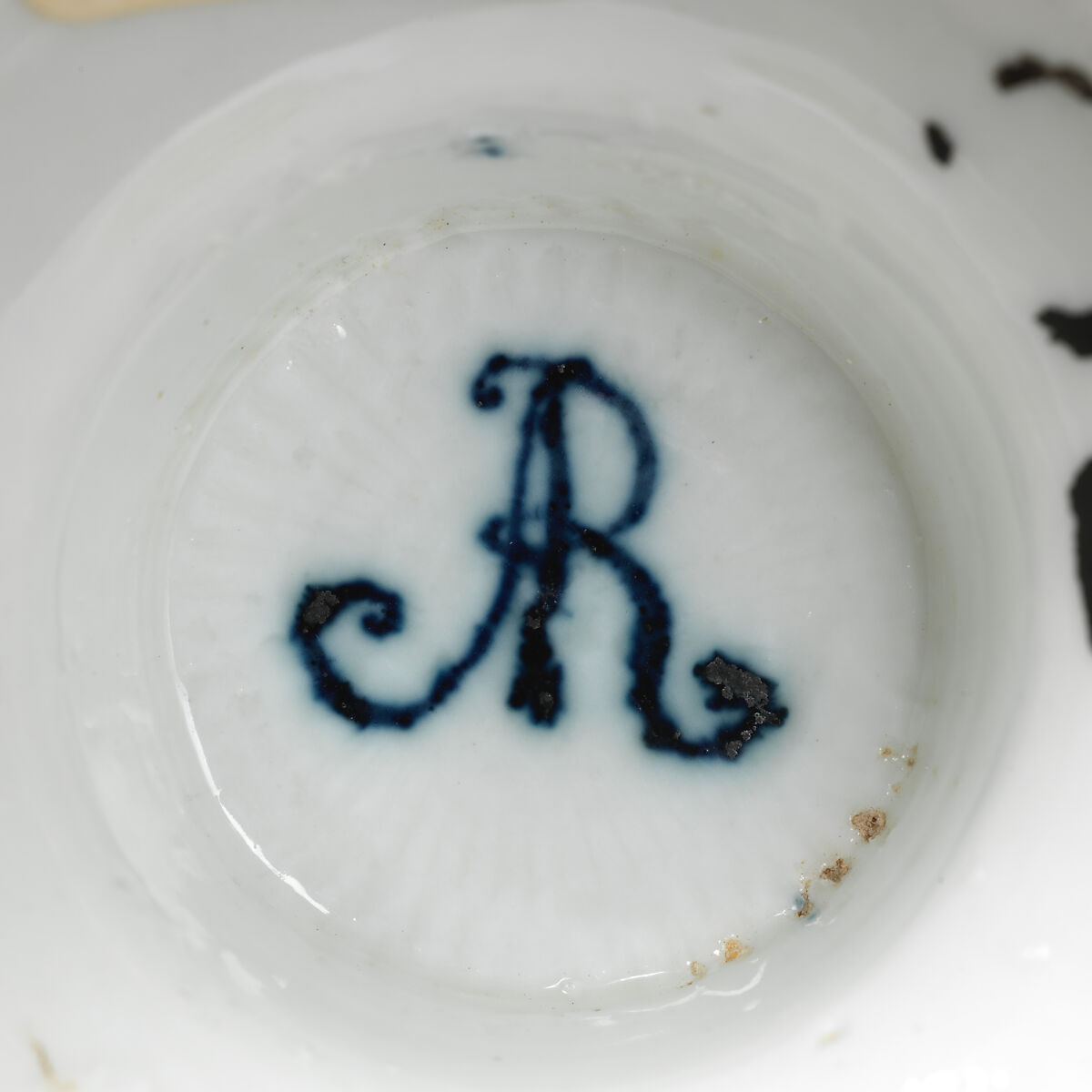
What Can a Factory Mark Tell You?
- The manufacturer.
- The country of origin.
- The production period.
- The model or pattern number.
- The decorator or artist.
- Export marks.
- Quality control symbols.
- Additional production codes.
To learn more about porcelain marks and factory symbols, browse our
Antique Collectors’ Glossary,
where we explain the meaning of the most important identification marks used by porcelain manufacturers throughout history.
2. Study the Evolution of Factory Marks
Recognising a manufacturer’s name is only the beginning. What truly helps date antique porcelain is identifying the exact version of the factory mark. Many famous porcelain factories changed their marks repeatedly over the centuries as ownership changed, production expanded or export regulations evolved.
Small differences in lettering, symbols, crowns, crossed swords, impressed stamps or country names can narrow the production period considerably. This is why experienced collectors always compare the mark with documented historical examples rather than relying on the general logo alone.
| Manufacturer | Main Mark | Dating Characteristics | Dating Value |
|---|---|---|---|
| Meissen | Crossed Swords | Changes in sword shape, guards, intersections, dots and painting style. | Excellent |
| Wedgwood | WEDGWOOD | Letter style, “England”, “Made in England” and date codes. | Excellent |
| Royal Copenhagen | Three Blue Waves | Crown variations, painter’s marks and production codes. | Very High |
| Sèvres | Interlaced L’s | Royal monograms, annual letters and political symbols. | Excellent |
| Herend | Shield & Crown | Different shield designs, “Hungary” marks and decorators’ numbers. | Very High |
| Rosenthal | Crown & Rose | Changes in typography, crown style and export marks. | Very High |
| KPM Berlin | Royal Sceptre | Shape of the sceptre, colour variations and decorators’ marks. | Very High |
| Limoges | Various Factory Marks | Multiple manufacturers operated in Limoges, making identification more complex. | High |
For more detailed information about porcelain manufacturers and collecting history, explore our
Stories & Knowledge
section.
How Meissen Marks Help Date Porcelain
Meissen introduced its famous crossed swords mark in the early eighteenth century, making it one of the oldest continuously used trademarks in Europe. Although the symbol remained recognisable, its appearance changed many times throughout history.
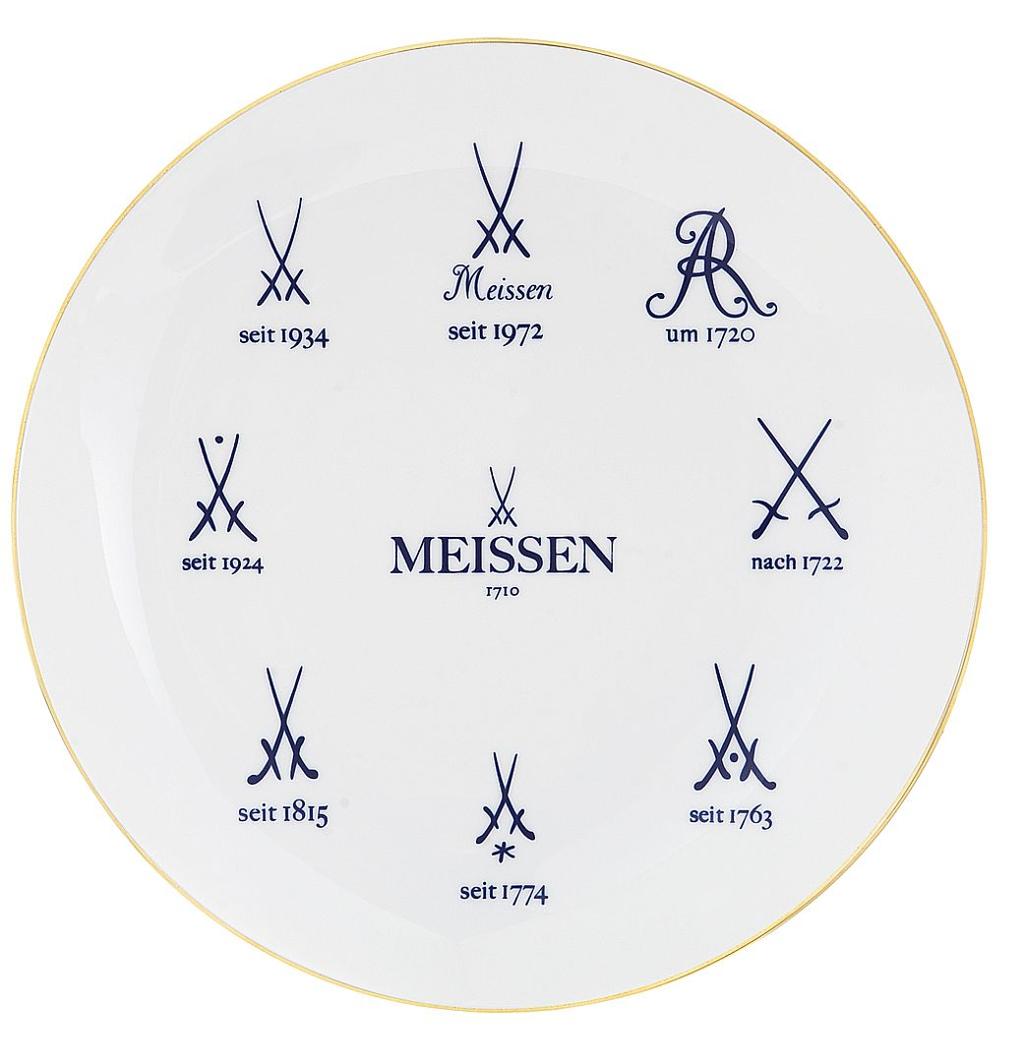
Collectors compare the shape of the swords, the angle of the blades, the handles, the crossing point and additional symbols with documented factory records. Even very small differences may indicate different production periods.
However, Meissen is also one of the most frequently copied porcelain manufacturers in the world. A crossed swords mark alone should never be accepted as proof of authenticity.
Dating Wedgwood Porcelain
Wedgwood uses a very different dating system. Instead of symbolic marks, collectors often analyse the typography of the WEDGWOOD name together with additional country marks and production codes.
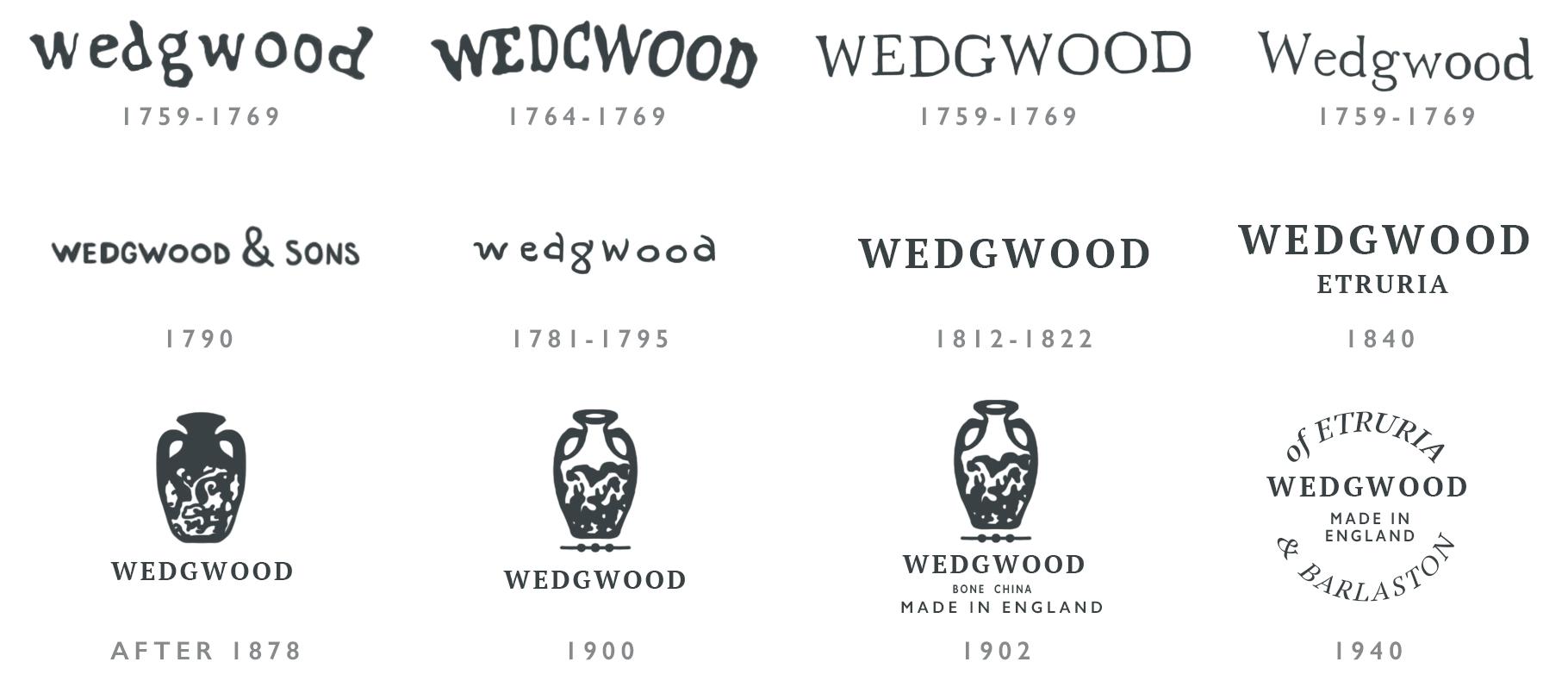
Changes such as the addition of England, Made in England or various impressed date codes often allow experienced collectors to narrow the production period considerably.
Additional Numbers and Symbols
Many porcelain objects contain much more information than the main factory mark. Small impressed numbers, painted letters or decorators’ initials often identify production batches, moulds or individual artists.
Common Additional Marks
- Mould or shape numbers.
- Pattern numbers.
- Decorator’s initials.
- Painter’s signatures.
- Quality control marks.
- Export marks.
- Retailer’s marks.
These secondary markings often help specialists distinguish between otherwise identical porcelain pieces.
Can Factory Marks Be Fake?
Yes. Some of the world’s most famous porcelain marks have been copied for more than a century. Meissen, Sèvres, KPM Berlin, Royal Copenhagen and Wedgwood are among the manufacturers most frequently reproduced.
A genuine-looking mark means very little if the porcelain body, glaze, decoration and manufacturing quality do not match the factory’s historical standards.
To better understand the differences between originals, reproductions and copies, browse our
Antique Collectors’ Glossary.
How to Examine a Factory Mark Properly
- Photograph the mark in natural daylight.
- Record every number, letter and symbol.
- Determine whether the mark is underglaze, overglaze or impressed.
- Compare the exact version, not only the general logo.
- Study the porcelain body and decoration alongside the mark.
- Consult reliable museum references whenever possible.
- Avoid aggressive cleaning that could damage the mark.
Once the factory mark has been examined, the next step is to analyse the object’s shape, artistic style, manufacturing technique and decoration. These characteristics often confirm—or sometimes contradict—the production period suggested by the mark.
3. Dating Antique Porcelain by Shape and Construction
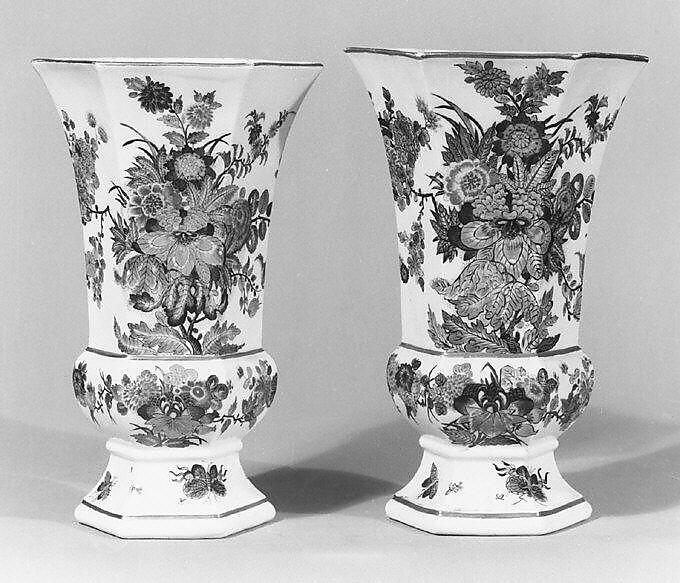
Once you have examined the factory mark, the next step is to study the object itself. Its proportions, handles, foot rim, lid, relief decoration and overall construction often provide valuable clues about when it was made.
Every historical period favoured different forms. As porcelain manufacturing techniques evolved, so did the precision of moulds, the thickness of porcelain bodies and the complexity of decorative details. Because of this, experienced collectors always compare the object’s shape with its factory mark before drawing conclusions.
Examine These Features Carefully
- The overall proportions.
- The balance between height and width.
- The shape of handles and spouts.
- The construction of lids.
- The design of the foot rim.
- The quality of relief decoration.
- The precision of small details.
- The symmetry of the entire piece.
Early hand-finished porcelain often displays tiny individual variations, while later industrial production generally produced much more consistent results.
Keep in mind that famous porcelain factories frequently reused successful designs. A shape originally created during the eighteenth century may have remained in production—or been revived—well into the nineteenth or twentieth century.
4. Dating by Artistic Style
Artistic style is one of the most reliable indicators of a porcelain object’s historical background. Although style alone cannot determine the exact production date, it often narrows the possible time period significantly.
| Style | Approximate Period | Main Characteristics |
|---|---|---|
| Baroque | Late 17th – Early 18th Century | Large proportions, dramatic curves, elaborate reliefs and bold ornamentation. |
| Rococo | c.1730–1770 | Asymmetrical forms, shells, floral decoration, pastel colours and rich gilding. |
| Neoclassical | c.1760–1830 | Symmetry, straight lines, classical urns, laurel wreaths and Greco-Roman motifs. |
| Historicism | Mid to Late 19th Century | Revival of earlier styles combined with increasingly refined industrial production. |
| Art Nouveau | c.1890–1915 | Organic flowing lines, flowers, insects and natural forms. |
| Art Deco | c.1920–1940 | Geometric shapes, bold contrasts and elegant modern design. |
| Mid-Century Modern | After 1945 | Minimal decoration, clean lines and functional design. |
Remember that artistic styles often overlapped. Many twentieth-century factories deliberately reproduced Rococo, Baroque and Neoclassical designs, making style only one part of the dating process.
For more information about porcelain traditions from different countries, browse our
Antique Guides.
5. Dating by Manufacturing Technique
Manufacturing methods changed dramatically during the history of European porcelain. Early pieces relied heavily on skilled hand craftsmanship, while later factories introduced increasingly standardised industrial production.
Characteristics of Earlier Handmade Production
- Slight differences between otherwise similar objects.
- Minor variations in wall thickness.
- Subtle hand-finishing marks.
- Individually modelled flowers and relief decoration.
- Hand-attached handles and decorative elements.
Characteristics of Later Industrial Production
- Very consistent dimensions.
- Highly uniform moulded details.
- Mass-produced components.
- Machine-assisted decoration.
- More systematic factory numbering.
Neither approach automatically determines age. Some eighteenth-century factories achieved extraordinary precision, while modern studio potters still create completely handmade porcelain today.
6. Examining the Porcelain Body
The porcelain body itself often provides valuable evidence. Different factories developed their own formulas, resulting in variations in colour, density, translucency and overall texture.
If you would like to understand the differences between hard-paste porcelain, soft-paste porcelain and bone china, start with our guide
What Is Porcelain?.
What Should You Examine?
- The colour of the porcelain body.
- The thickness of the walls.
- The translucency.
- The appearance of the unglazed foot rim.
- The density of the material.
- The quality of firing.
Some factories became famous for exceptionally white porcelain, while others produced warmer cream-coloured bodies. Comparing these characteristics with documented examples often helps narrow the production period.
7. Dating by the Glaze
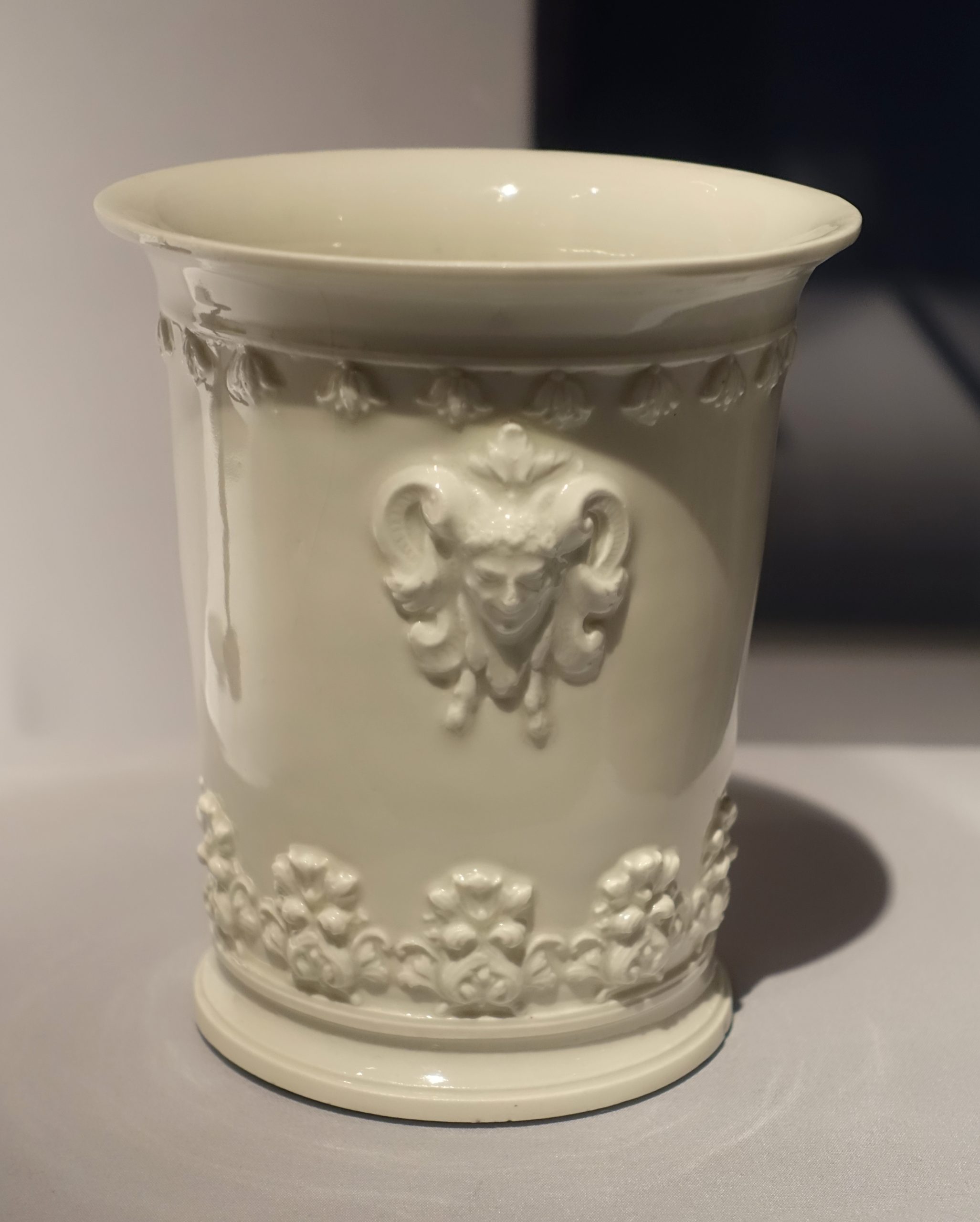
Glaze is far more than a shiny surface. Its composition, firing temperature and application technique often reveal valuable information about the period and quality of production.
Look For
- A smooth, even surface.
- Natural gloss.
- Tiny firing imperfections.
- Fine scratches from use.
- Differences between original and restored glaze.
- Craquelure patterns.
Does Craquelure Always Mean Age?
No. Although naturally aged glaze sometimes develops fine crackling, craquelure can also be intentionally produced as a decorative effect or artificially created to imitate age.
Some eighteenth-century porcelain remains perfectly smooth, while certain twentieth-century decorative wares display extensive crackling. Glaze should therefore always be considered alongside every other dating characteristic.
8. Dating by Decoration and Painting Techniques
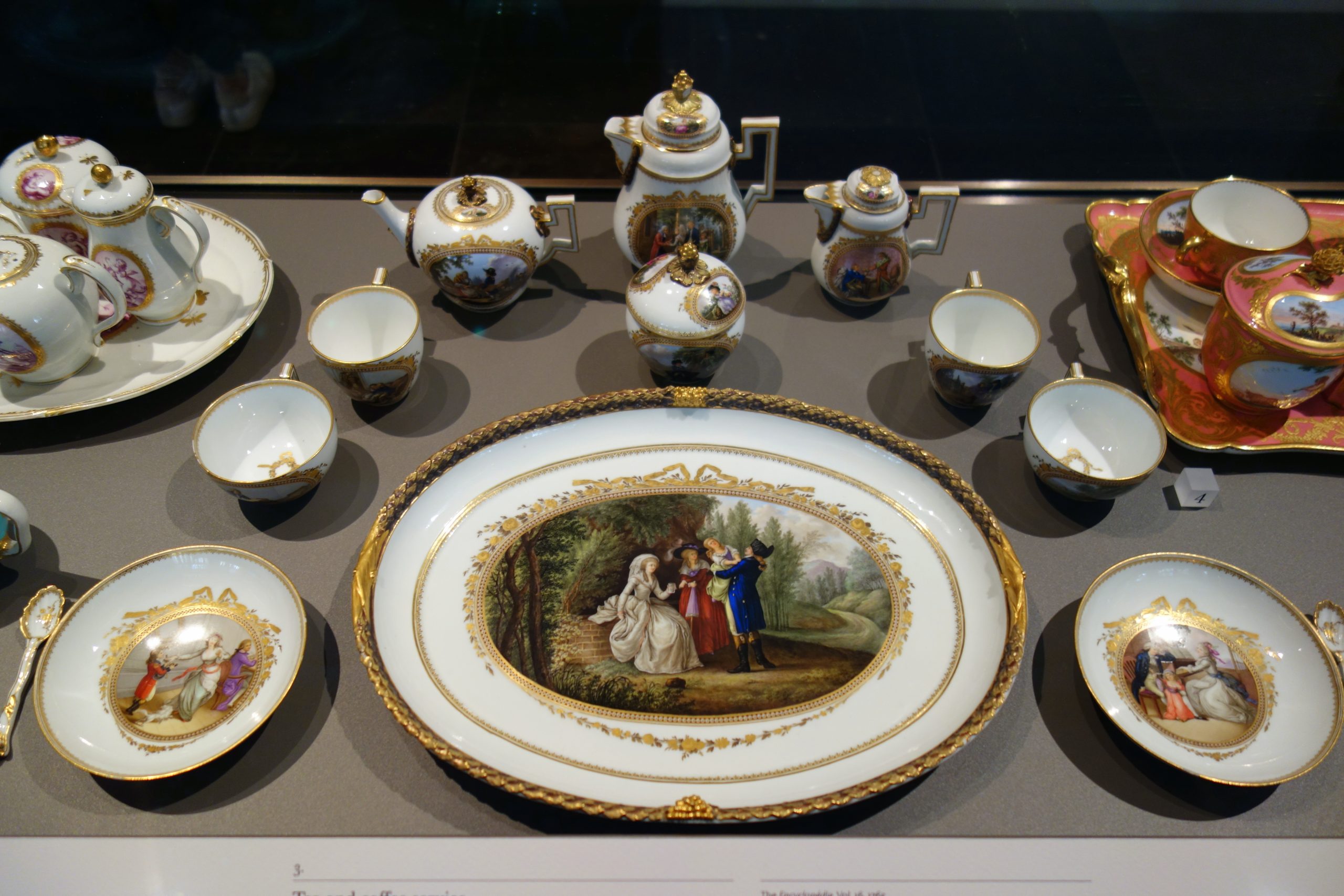
Decoration is another important dating tool. Hand-painted porcelain, transfer printing, underglaze decoration and overglaze enamels each became popular during different periods and often reflect specific manufacturing traditions.
Hand-Painted Decoration
Hand-painted porcelain usually shows slight variations in brushwork, colour intensity and individual artistic expression. No two hand-painted pieces are ever completely identical.
Transfer Printing
Transfer printing became increasingly common during the nineteenth century and allowed factories to decorate porcelain much more efficiently. However, early transfer printing has existed for centuries, meaning its presence alone cannot determine age.
9. Dating by Colour Palette
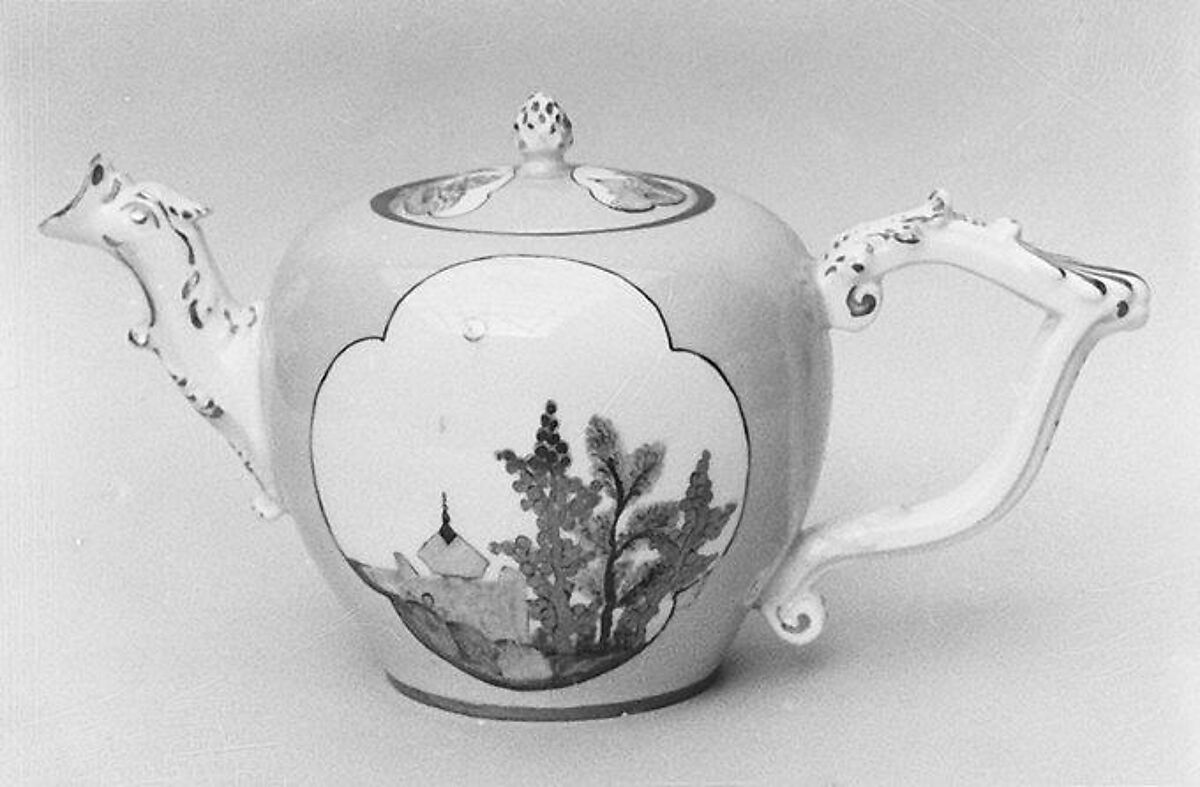
Porcelain pigments evolved considerably over the centuries. Certain colours became closely associated with specific factories, production periods and decorative styles.
Observe
- The dominant colours.
- Underglaze versus overglaze decoration.
- Enamel transparency.
- Background colours.
- Colour combinations.
- The relationship between colour and artistic style.
Pigments may fade, change colour or be altered during restoration. Colour alone should never be used as the only dating method, but it provides valuable supporting evidence when combined with all the other characteristics discussed above.
10. Chinese Influence as a Dating Clue
One of the most overlooked aspects of dating European porcelain is understanding the enormous influence of Chinese porcelain. During the seventeenth and eighteenth centuries, millions of porcelain pieces arrived in Europe through the Dutch, Portuguese and British East India Companies. European manufacturers admired both the material and the decoration, inspiring them to reproduce Chinese designs.
As a result, many early European porcelain objects closely resemble Chinese originals. This does not necessarily mean an object was made in China—it may simply reflect the strong artistic influence of the period.
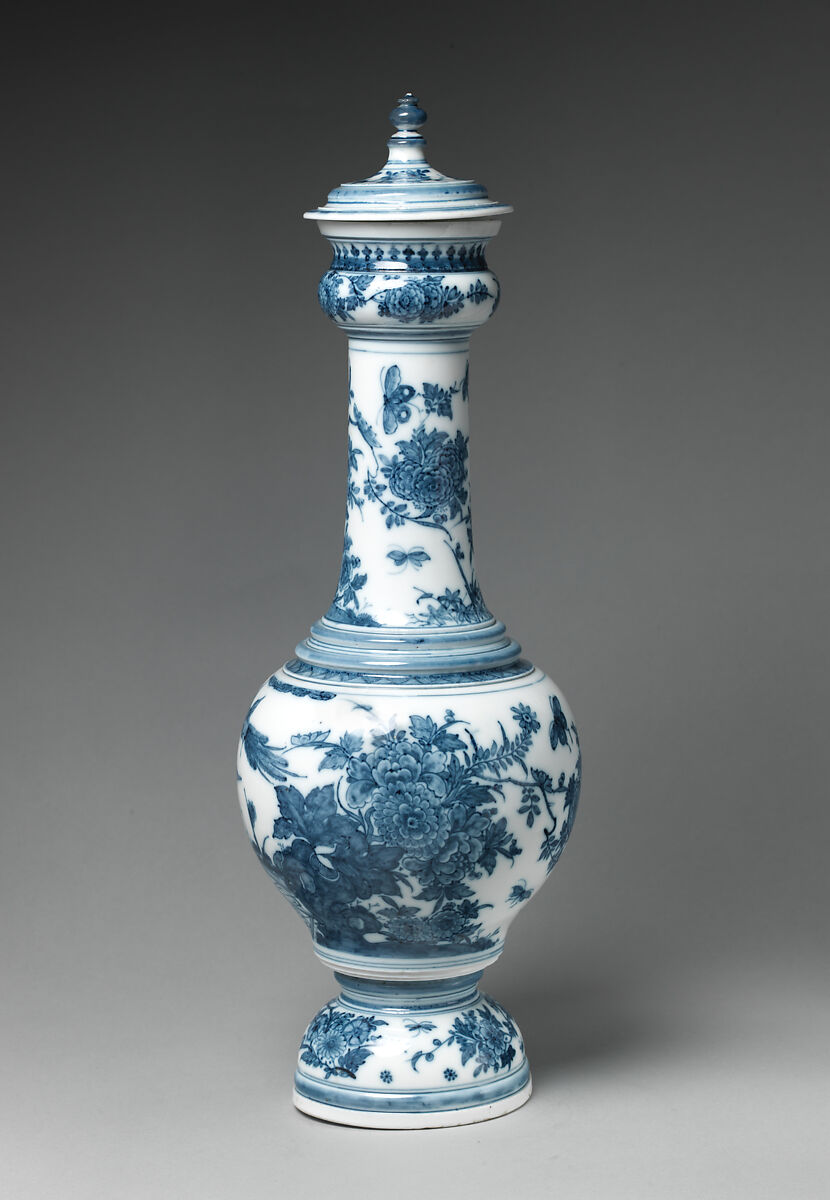
Typical Chinese Influences
- Cobalt blue underglaze decoration.
- Pagodas and oriental landscapes.
- Dragons and phoenixes.
- Bamboo, chrysanthemums and peonies.
- Cloud borders and geometric patterns.
- Asymmetrical decorative compositions.
To explore porcelain traditions from different countries, browse our
Antique Guides.
11. Natural Wear as Evidence of Age
Natural wear is often one of the strongest indicators of genuine age. Antique porcelain that has been used for decades usually develops subtle signs of handling and everyday use that are extremely difficult to reproduce convincingly.
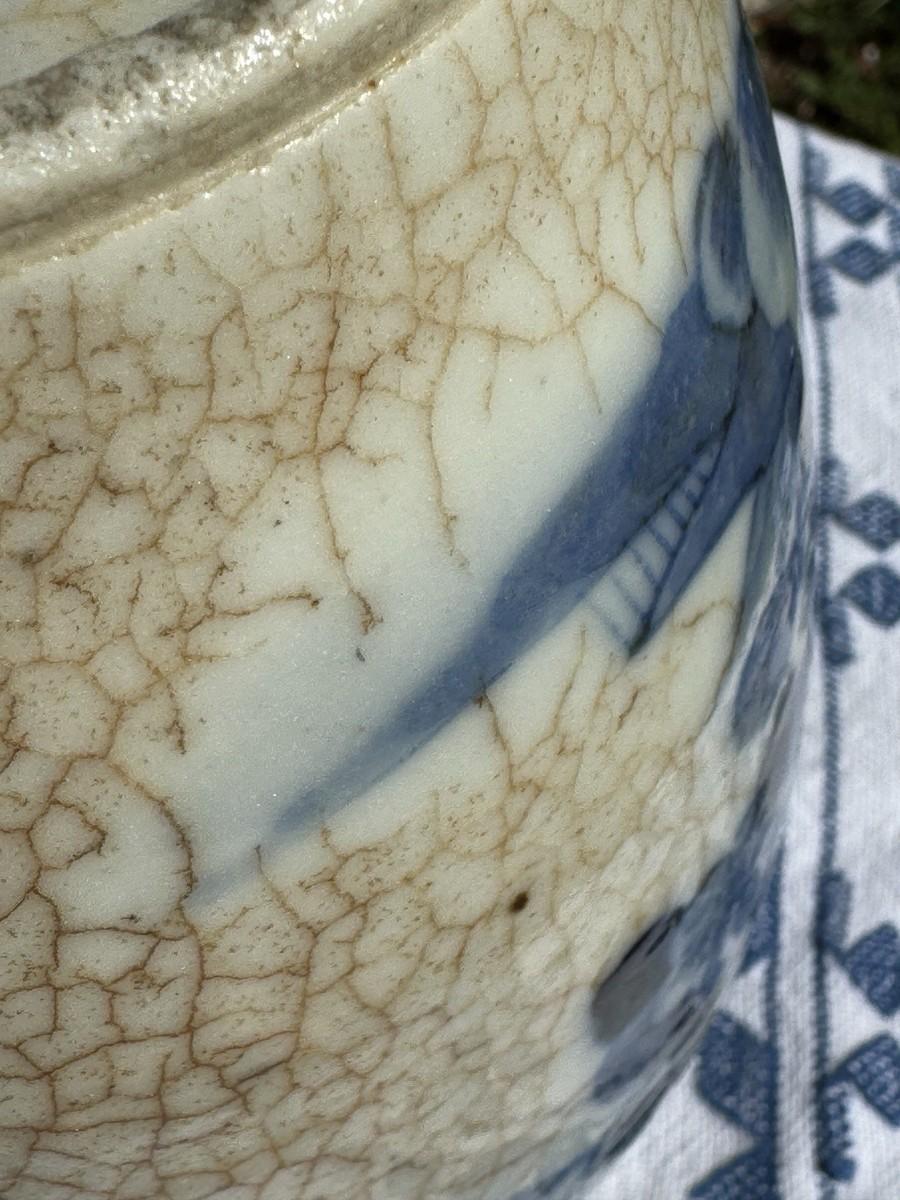
Where Wear Usually Appears
- The foot rim.
- The base of vases.
- The edges of plates.
- Cup handles.
- Teapot lids.
- Areas frequently touched during use.
Natural wear develops gradually and evenly. Artificial ageing often produces random scratches, excessive abrasion or unrealistic damage concentrated in unusual places.
12. Gilding Can Reveal Age
Hand-applied gilding gradually wears away after many years of handling. The pattern of this wear often provides valuable information about how the object was actually used.
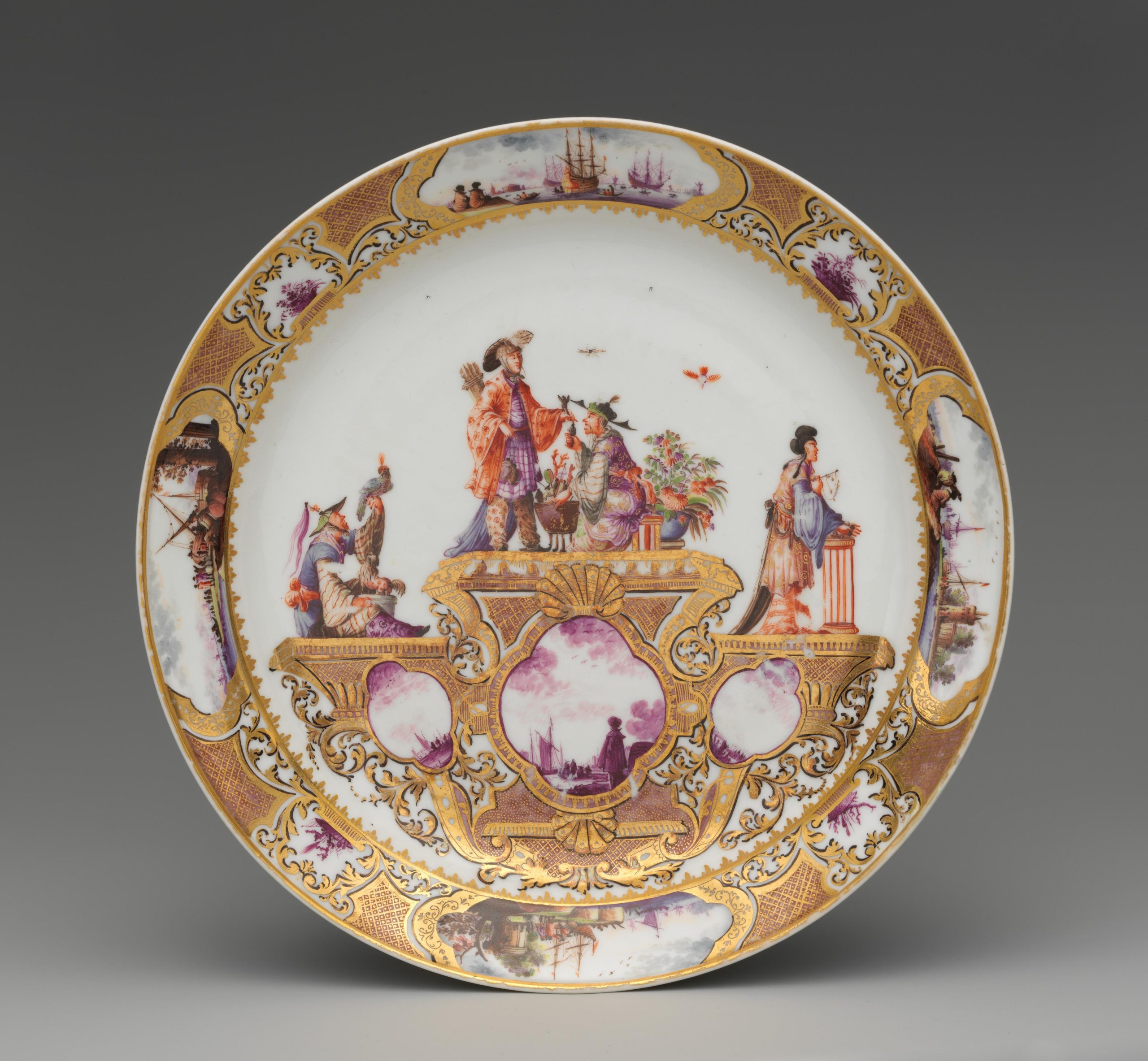
Typical Characteristics of Genuine Wear
- Gradual fading.
- Slightly softer edges.
- Heavier wear on handles and rims.
- Protected areas retaining stronger gilding.
- No abrupt transitions between worn and unworn areas.
Uniformly bright gilding across an object that otherwise appears very old deserves closer examination. While excellent preservation is certainly possible, inconsistencies between condition and age should always be investigated.
13. Test the Porcelain’s Translucency
High-quality porcelain is naturally translucent. Holding a thin section against a strong light source allows light to pass through the porcelain body, helping distinguish genuine porcelain from many other ceramic materials.
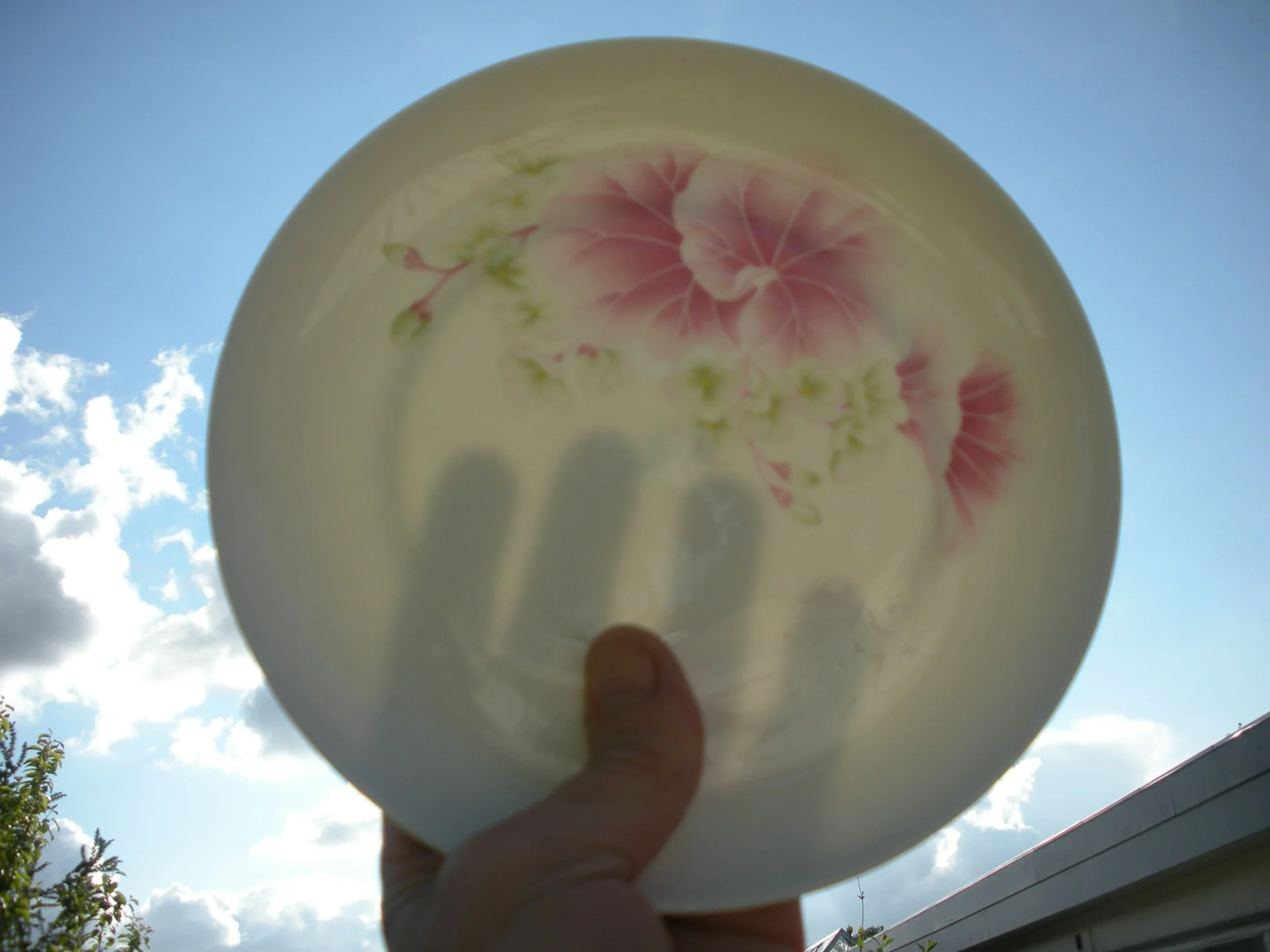
This test confirms the material rather than the production date. It should always be combined with factory marks, glaze, decoration and manufacturing characteristics.
If you are unsure whether your object is genuine porcelain, start with our guide
How to Identify Antique Porcelain.
14. Estimating the Production Period
| If You Observe… | Likely Production Period |
|---|---|
| Strong Chinese influence with early European craftsmanship. | 1700–1750 |
| Rich Rococo decoration with elaborate gilding. | 1750–1800 |
| Balanced Neoclassical forms and symmetry. | 1800–1850 |
| Highly refined industrial production with consistent factory marks. | 1850–1900 |
| Art Nouveau or Art Deco characteristics. | 1900–1945 |
| Modern factory production with contemporary marks. | After 1945 |
This table provides only a general guide. Accurate dating always requires several independent characteristics to support the same conclusion rather than relying on a single feature.
15. The Most Common Mistakes When Dating Antique Porcelain
Even experienced collectors occasionally misdate porcelain because they rely too heavily on a single characteristic. Accurate dating requires comparing every available piece of evidence rather than focusing on just one feature.
1. Trusting the Factory Mark Alone
A factory mark is an excellent starting point, but it should never be considered conclusive proof of age or authenticity. Famous marks have been copied for more than a century, and some reproductions display convincing imitations of historic backstamps.
2. Assuming Every Crackled Glaze Is Antique
Craquelure develops naturally on some historic porcelain, but many manufacturers intentionally produced crackled glazes as decorative finishes. Artificial ageing can also imitate centuries of use.
3. Believing Hand-Painted Decoration Always Means Great Age
Hand painting is still practiced today. Although brushwork often indicates quality craftsmanship, it does not automatically mean an object was produced in the eighteenth or nineteenth century.
4. Confusing Style with Age
Factories have reproduced Rococo, Baroque and Neoclassical designs for generations. A twentieth-century vase may faithfully copy an eighteenth-century original while remaining a modern production.
5. Comparing Only Online Marketplace Listings
Auction sites and marketplace descriptions frequently contain incorrect dates and factory attributions. Whenever possible, compare your porcelain with museum collections, factory archives and specialist reference books.
6. Ignoring Previous Restoration
Replacement handles, repaired lids, repainted decoration or regilding may significantly affect how an object appears. Restoration should always be considered before estimating age.
For practical advice on caring for antique porcelain, visit our
Restoration & Conservation
section.
16. When Should You Seek a Professional Appraisal?
Although careful research can reveal a great deal about antique porcelain, there are situations where professional expertise becomes invaluable.
Consider obtaining an expert appraisal if:
- the factory mark cannot be identified;
- you believe the object may be particularly rare;
- it appears to come from a well-known European factory;
- the porcelain has documented family history or provenance;
- you intend to sell, insure or donate the piece;
- the object may have significant historical or collector value.
You can also explore our
Antique Appraisal
guides to learn how specialists evaluate antique porcelain and other collectibles.
Request a Professional Evaluation of Your Antique
Frequently Asked Questions
Can antique porcelain be dated by its factory mark alone?
No. Factory marks are one of the most valuable dating tools, but they must always be examined together with the object’s shape, glaze, decoration, porcelain body and manufacturing technique.
Do all factory marks indicate an exact production year?
Usually not. Most marks identify a production period rather than a specific year.
Which porcelain manufacturers have the best documented marks?
Meissen, Wedgwood, Sèvres, Royal Copenhagen, Herend, Rosenthal and KPM Berlin are among the best documented European porcelain manufacturers.
Does every antique porcelain piece have a factory mark?
No. Some early porcelain was produced without marks, while others have marks that have faded or become worn over time.
Can reproductions use historic factory marks?
Yes. This is one of the main reasons collectors should never rely solely on the mark when dating porcelain.
Does translucency indicate age?
Translucency confirms the material rather than the production date. It should always be considered alongside other characteristics.
Can restoration affect dating?
Yes. Repairs, replacement parts, repainting and regilding can significantly alter an object’s appearance and complicate the dating process.
Conclusion
Dating antique porcelain is a process of gathering evidence rather than searching for a single answer. Factory marks, artistic style, shape, glaze, porcelain body, decoration, manufacturing techniques and natural wear all contribute to understanding when an object was made.
The most reliable conclusions are reached when several independent characteristics consistently point to the same historical period. This systematic approach is used by museum curators, professional appraisers and experienced collectors around the world.
Related Guides
