
How to Identify Antique Porcelain: The Complete Collector’s Guide
Identifying antique porcelain requires much more than simply looking for an old mark. Authentic porcelain should be evaluated by examining its body, translucency, glaze, decoration, manufacturing techniques, natural wear, and factory marks. No single characteristic can confirm age or authenticity, but together they provide valuable clues about a piece’s history and origin.
Whether you inherited a porcelain vase, discovered an old tea set in the attic, found a figurine at a flea market, or purchased a decorative plate from an antique shop, learning how to identify antique porcelain is the first step toward understanding its historical and collector’s value.
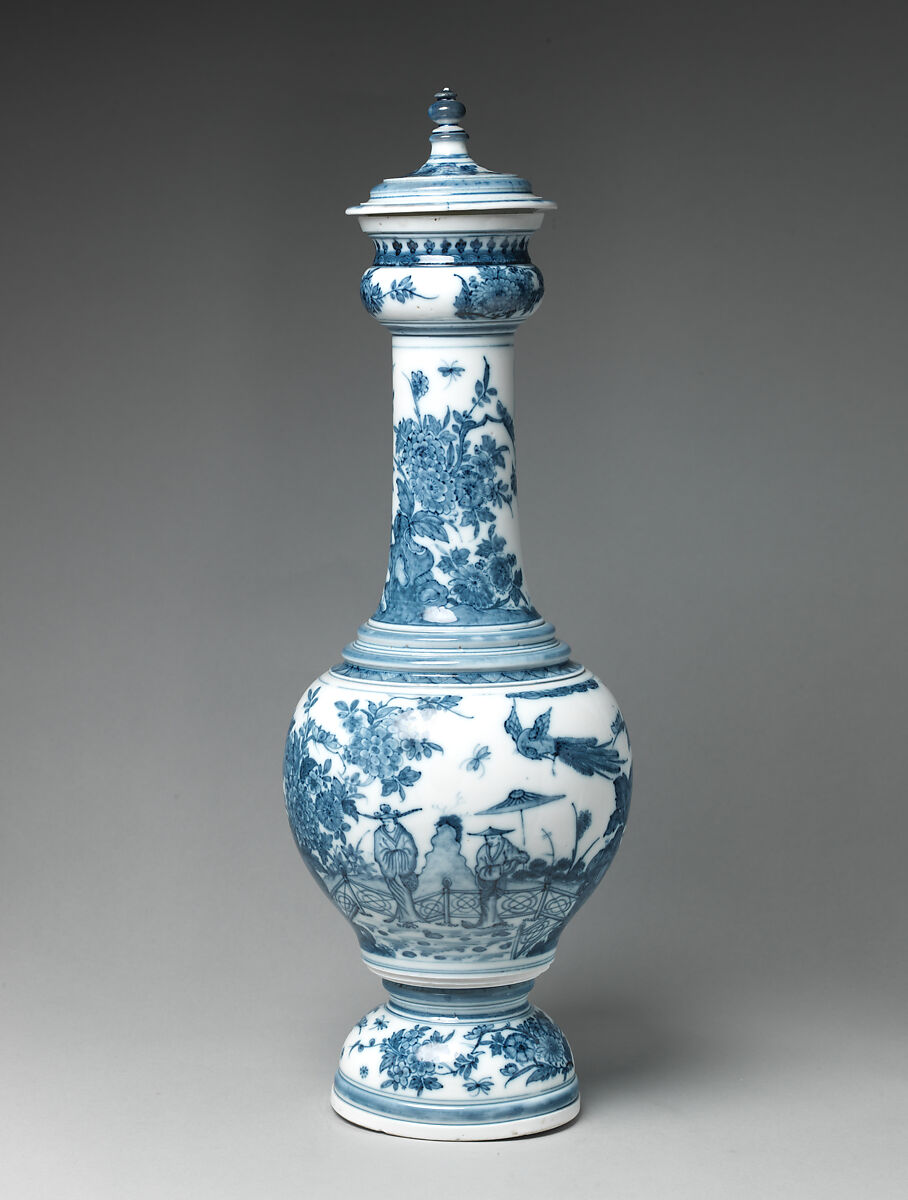
Quick Answer
The most reliable way to identify antique porcelain is to examine the porcelain body, translucency, hand-painted decoration, glaze quality, factory marks, natural wear, and historical style together. Avoid relying on only one characteristic such as a porcelain mark or signs of age, as reproductions can imitate many of these features.
What You Will Learn
- How to determine whether an object is genuine porcelain
- How porcelain marks help identify manufacturers
- How to distinguish hand-painted decoration from transfers
- How glaze, gilding and natural wear reveal age
- How to recognize common reproductions
- When professional appraisal is recommended
If you are new to porcelain collecting, we recommend starting with our guide
What Is Porcelain?.
For a complete overview of porcelain history, manufacturers and collecting guides, visit our
Porcelain Guide.
Why Identifying Antique Porcelain Matters
Many porcelain pieces look old without being antique, while genuine antique porcelain may appear surprisingly simple. Modern reproductions often imitate famous manufacturers such as Meissen, Wedgwood, Royal Copenhagen, Herend and Limoges.
Correct identification helps collectors avoid expensive mistakes, understand historical significance and determine whether a piece deserves professional appraisal.
Early Meissen hard-paste porcelain from the early eighteenth century.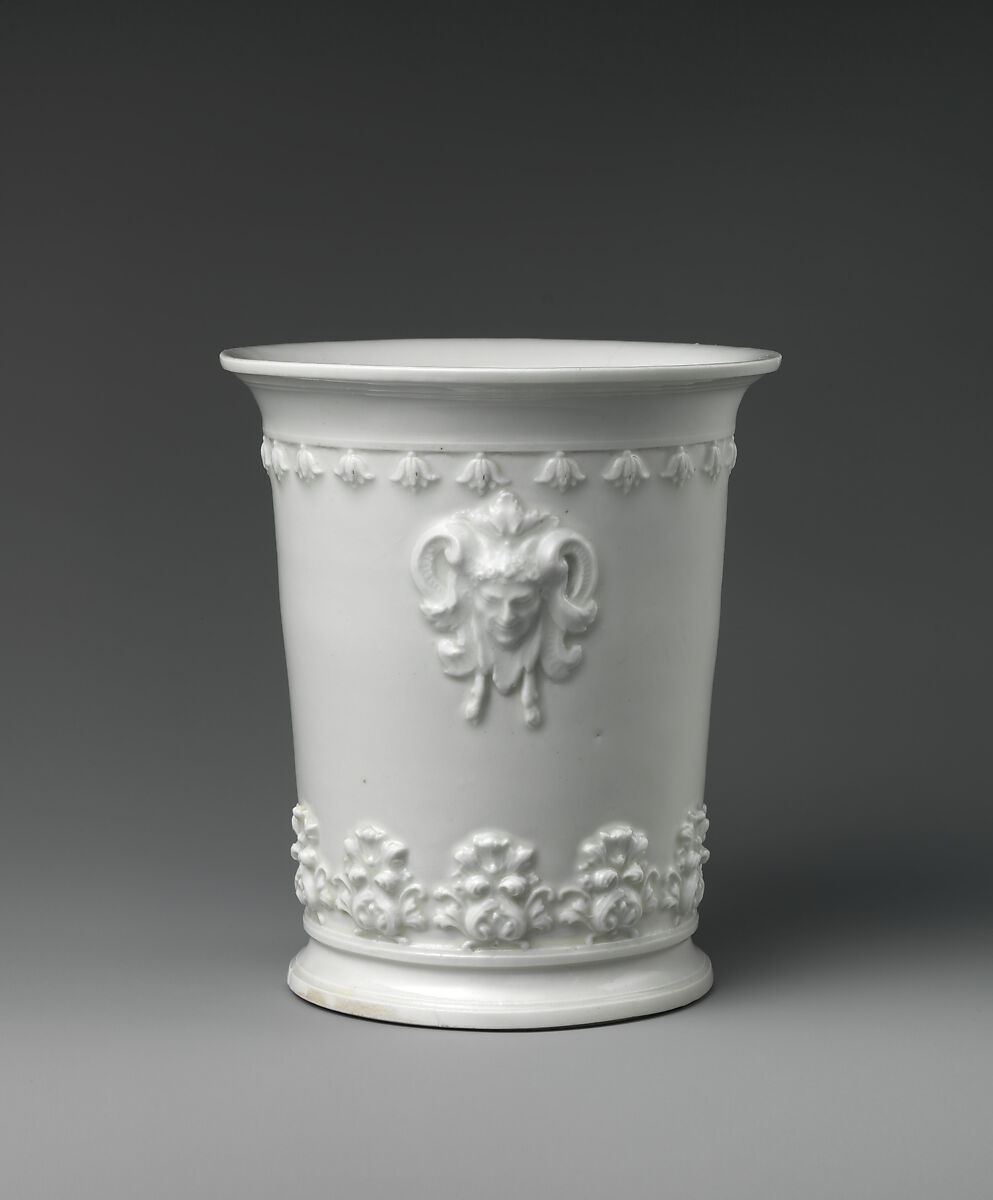
1. Examine the Porcelain Body
The first step is determining whether the object is actually porcelain rather than earthenware, faience or stoneware. High-quality porcelain has a dense, refined body with a smooth surface and carefully finished details.
Things to Observe
- Smooth, refined surface
- Dense ceramic body
- Fine manufacturing quality
- Even glaze application
- Well-finished edges and details
Many antique porcelain pieces also produce a clear ringing sound when gently tapped with a fingernail. However, avoid using this as a test on valuable objects because hidden cracks or old restorations may cause damage.
If you are unsure whether your piece is porcelain, read our guide
Porcelain vs Faience vs Ceramic.
2. Check for Translucency
One of porcelain’s most famous characteristics is translucency. Hold a thin porcelain plate or cup against strong natural light. Quality porcelain often allows light to pass through its thinnest sections.
Thin porcelain often becomes slightly translucent when held against strong light.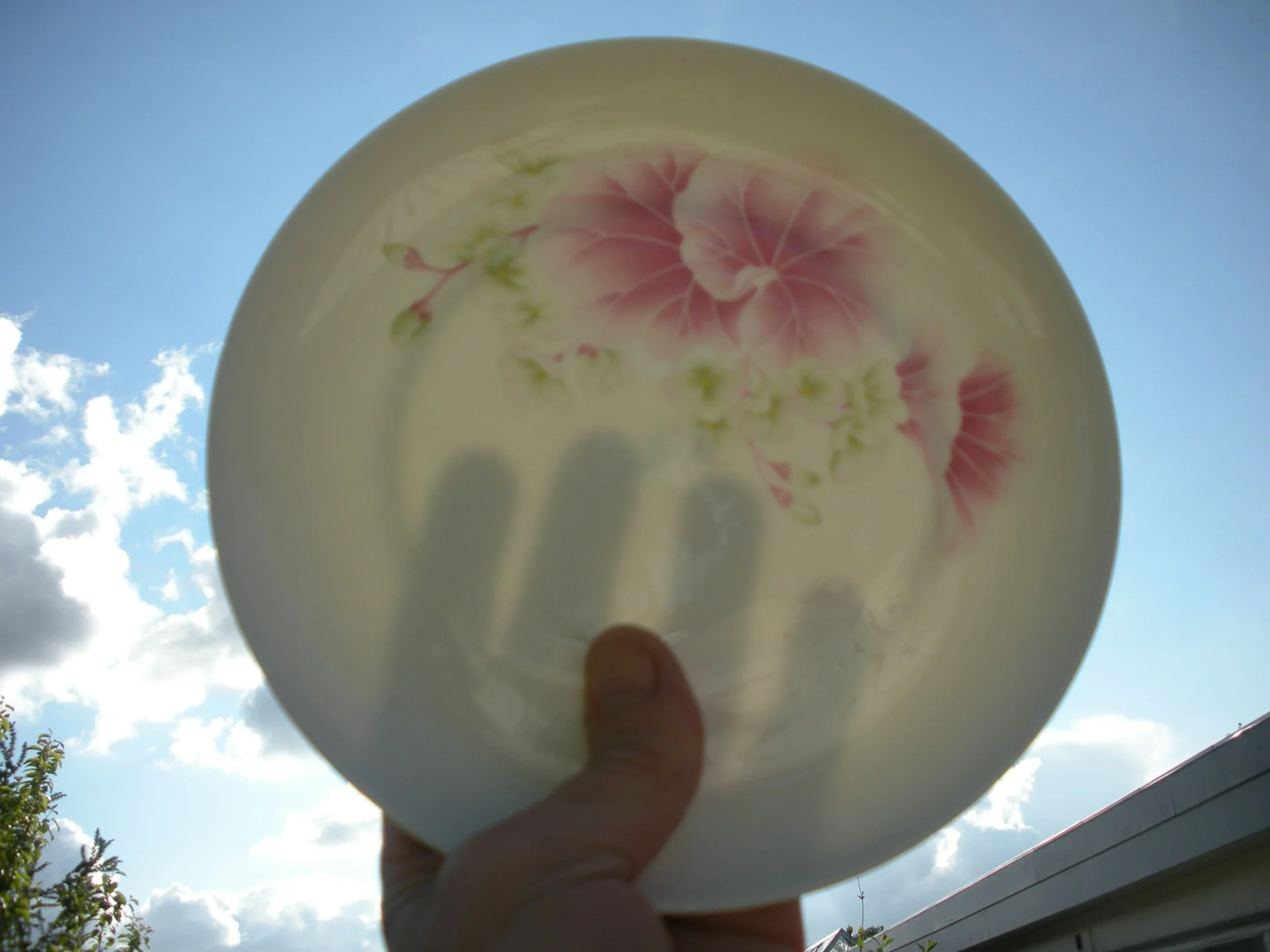
Keep in mind that translucency alone does not prove age. Modern porcelain can also be translucent, while some thicker antique porcelain may allow very little light to pass through.
3. Look for Hand-Painted Decoration
Many collectible porcelain pieces feature hand-painted decoration. Careful examination often reveals small variations in brush strokes, floral details, gold application and color transitions.
Close inspection often reveals subtle brush strokes and slight variations that indicate hand decoration.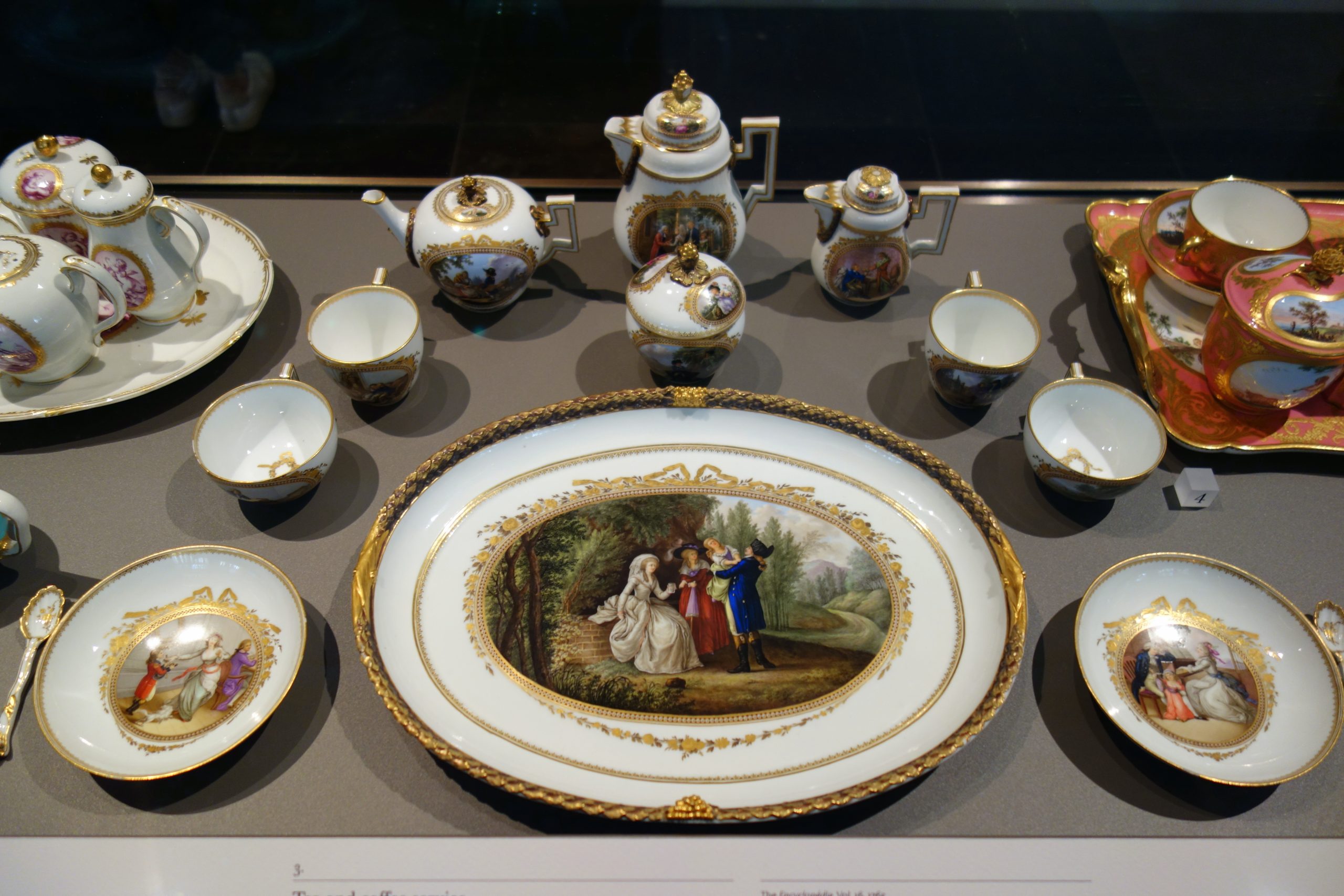
Signs of Hand Painting
- Visible brush strokes
- Small variations between repeated flowers or leaves
- Uneven but controlled color transitions
- Natural imperfections created by the artist
Modern transfer decoration usually appears perfectly identical across every piece in a set and may reveal a printed dot pattern under magnification.
Hand-painted decoration combined with fine gilding is often found on high-quality European porcelain.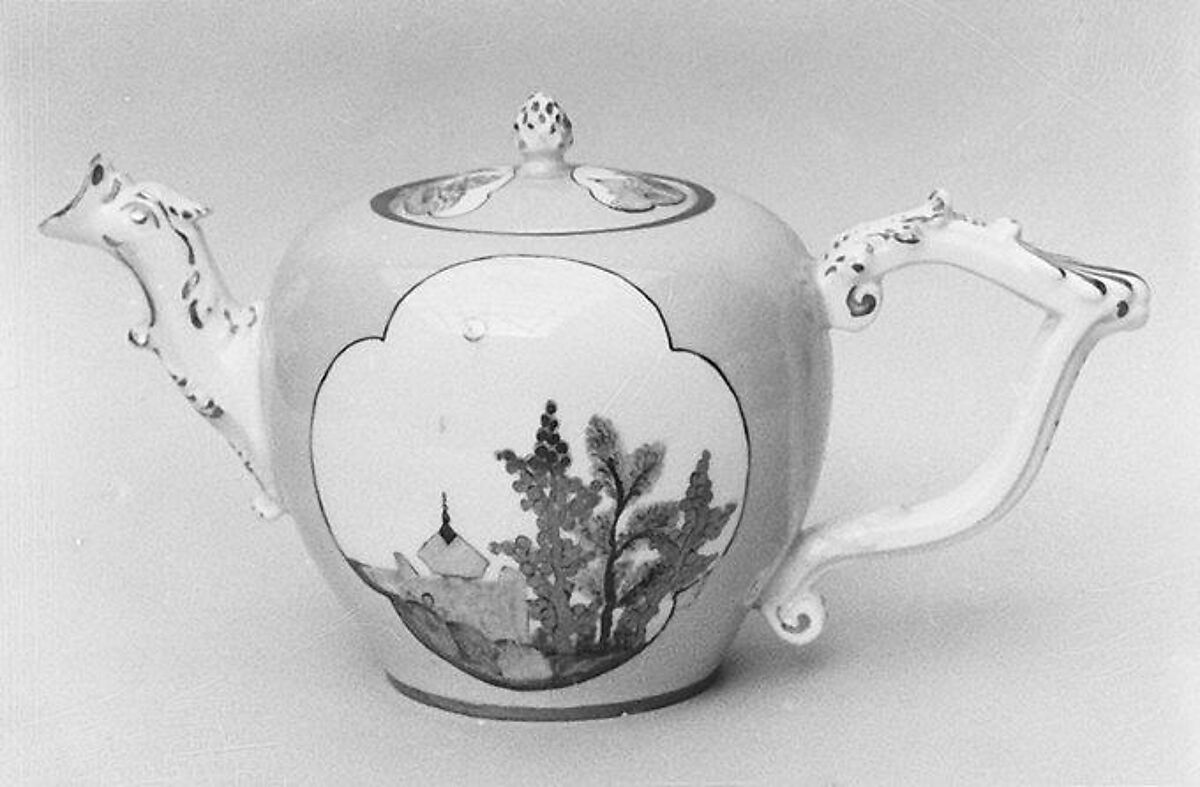
4. Examine the Porcelain Mark
Turn the object over and inspect the base carefully. Factory marks can identify the manufacturer, approximate production period, model number and sometimes even the decorator.
Factory marks often provide valuable information about origin, manufacturer and production period.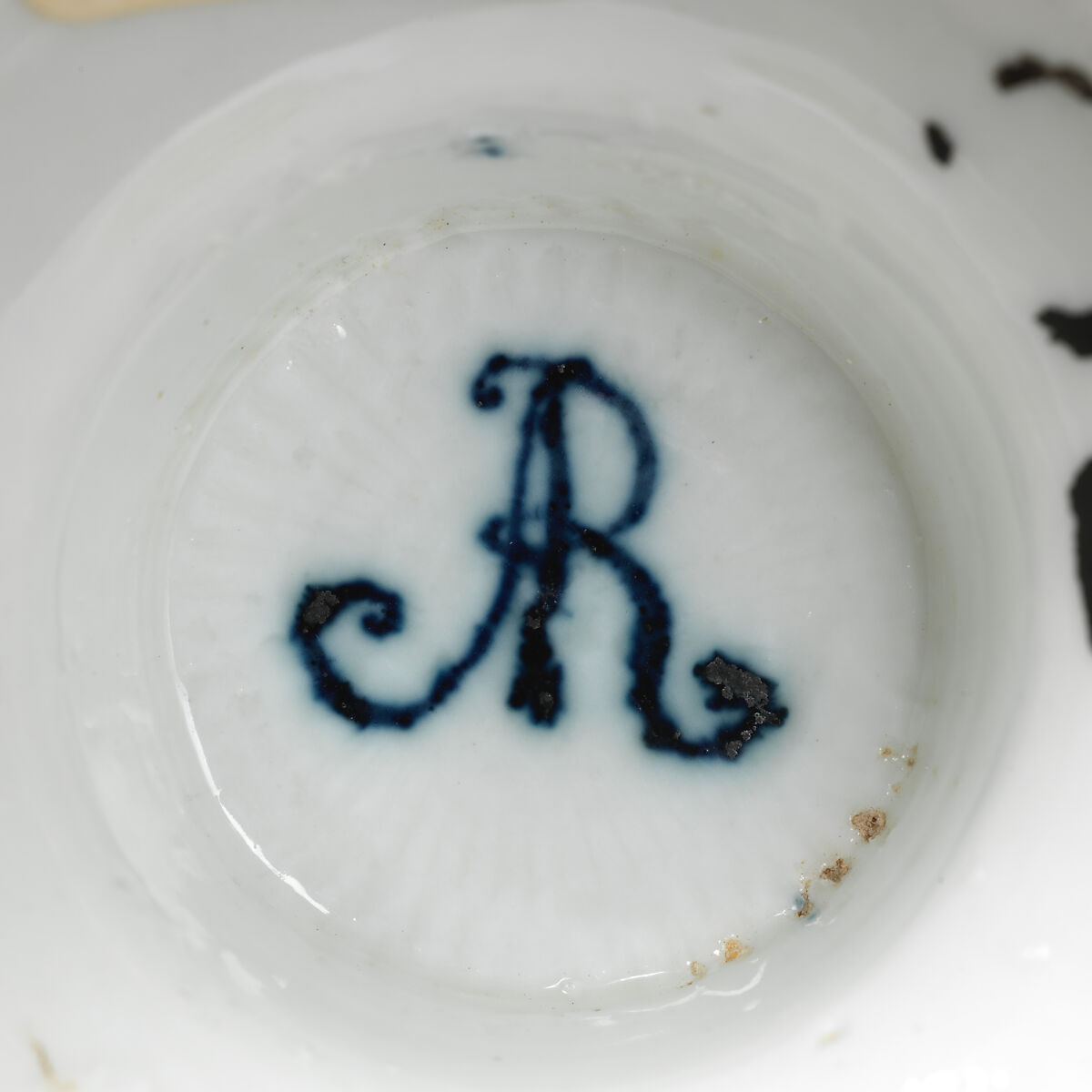
Remember that famous marks have been copied for decades. A mark should always be evaluated together with the porcelain body, decoration, glaze and overall quality.
Learn more in our guide
What Are Porcelain Marks?.
5. Examine the Glaze Carefully
The glaze is one of the most revealing features of antique porcelain. High-quality porcelain usually has a smooth, even glaze with a soft natural shine rather than an artificial glossy appearance. Tiny imperfections, subtle variations and signs of age can often provide valuable clues about how and when the piece was made.
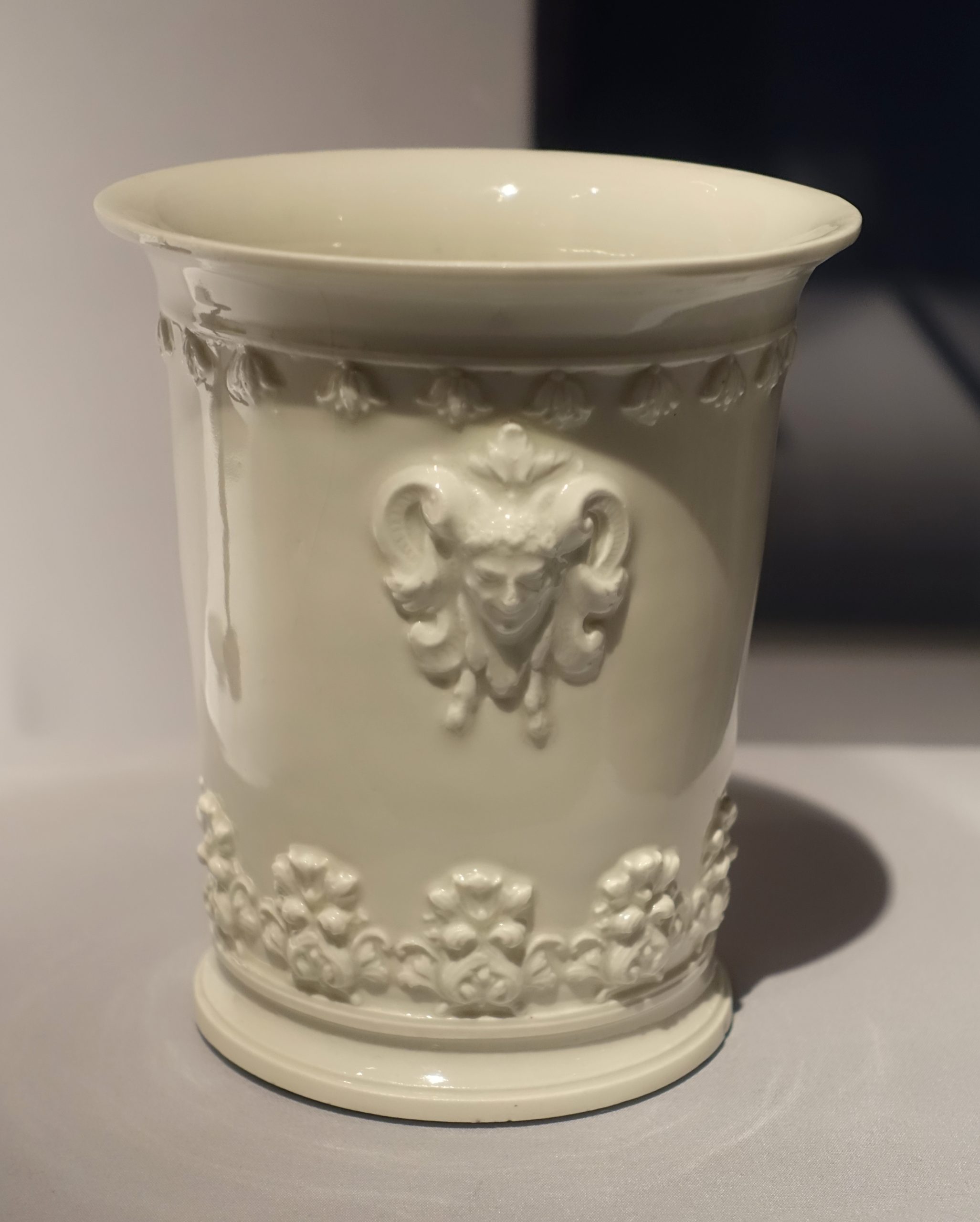
Look for:
- Smooth and even glaze
- Natural soft shine
- Fine craftsmanship
- Tiny manufacturing imperfections
- Consistent glazing over the entire surface
Avoid assuming that every crack in the glaze indicates great age. Some modern reproductions intentionally imitate antique crazing.
6. Look for Natural Wear
Authentic antique porcelain usually shows logical signs of age. These signs develop naturally over decades of use and handling rather than appearing randomly.
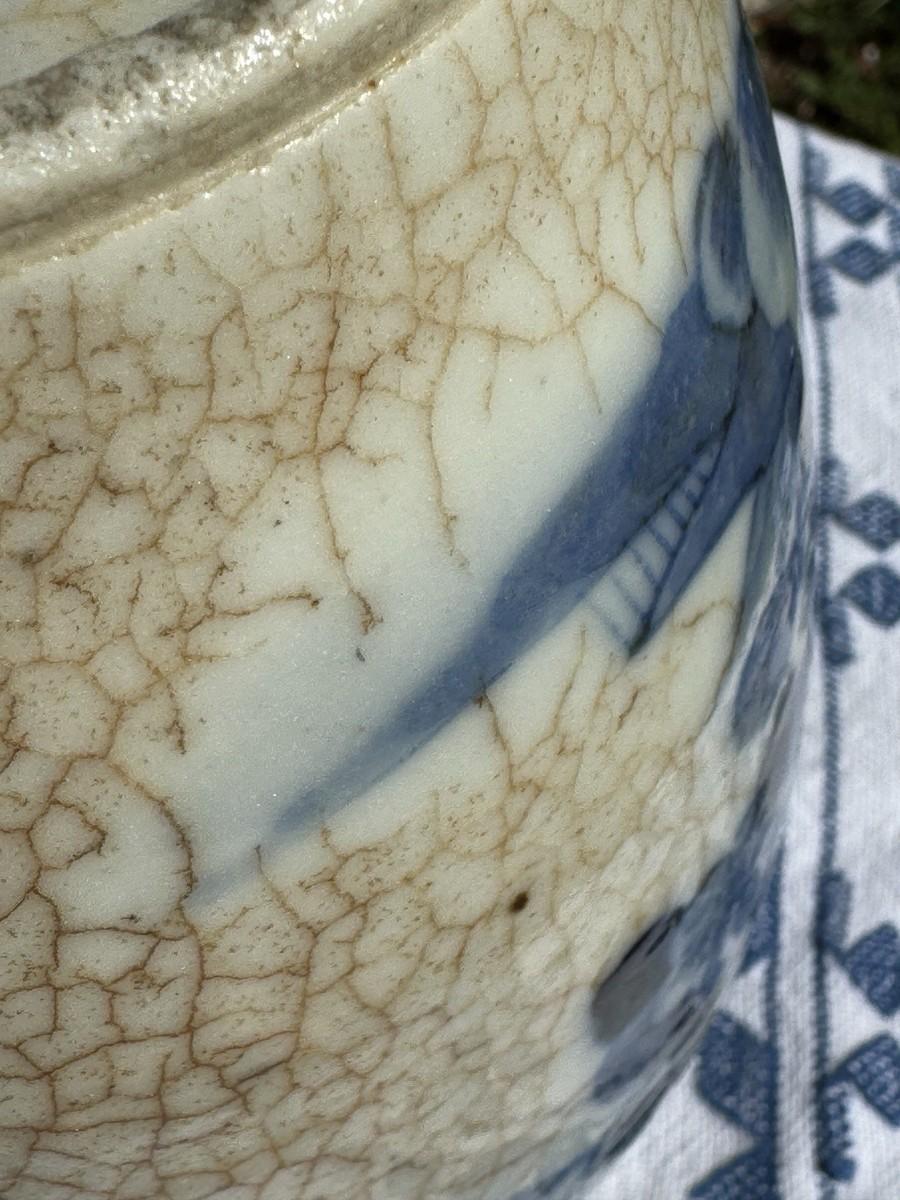
Common signs include:
- Minor scratches
- Wear on the foot ring
- Slight dulling of gilding
- Gentle surface abrasion
- Natural aging of the glaze
Objects displayed inside cabinets for many decades may show almost no wear at all, while frequently used household porcelain may appear much older than it actually is.
7. Inspect the Gilding
Many fine European porcelain manufacturers decorated their pieces with real gold. Over many decades the gilding naturally becomes thinner along the rim, handles and raised decoration.
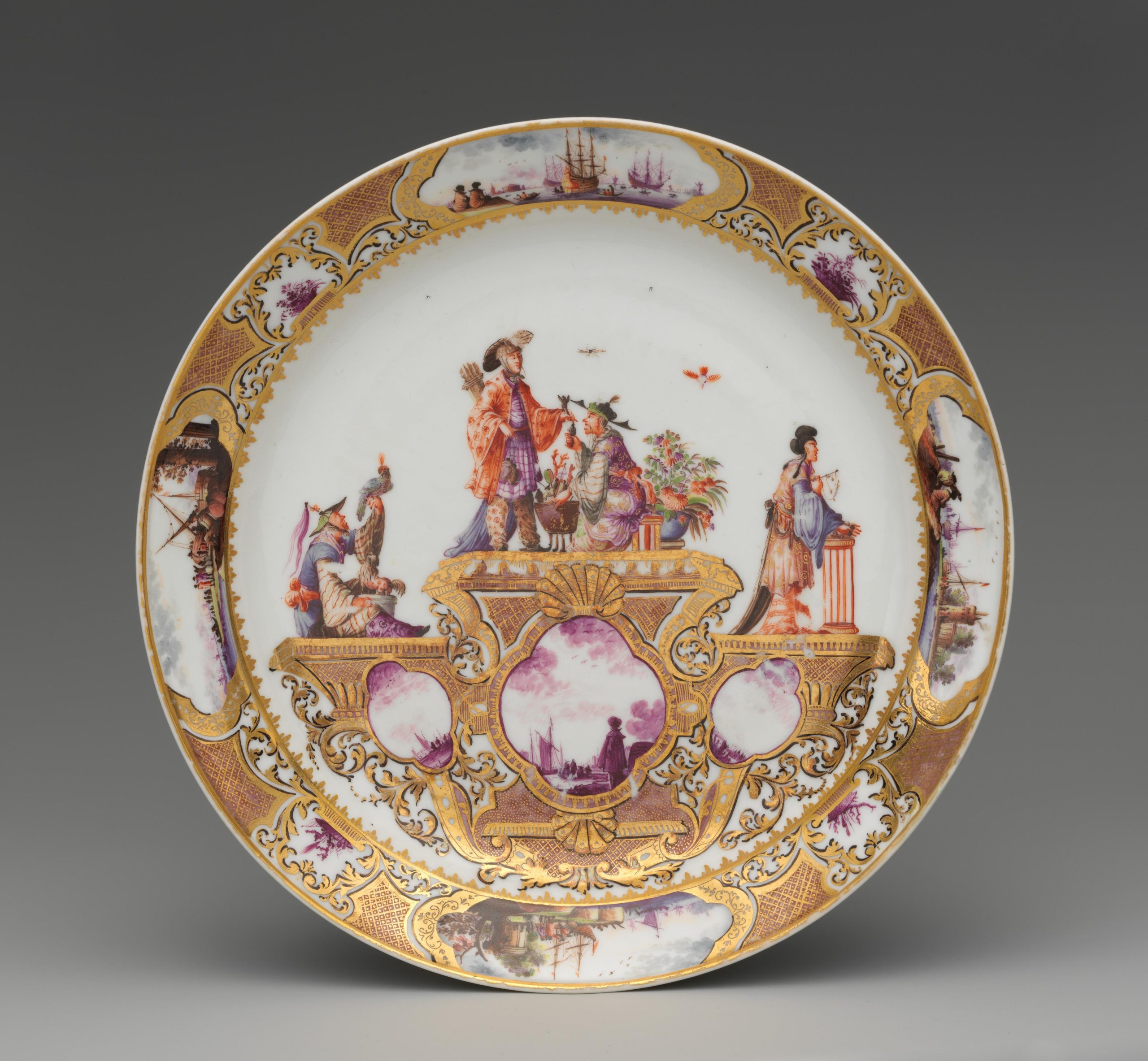
Artificial wear often looks random or excessive. Genuine wear usually follows the object’s shape and areas that experienced regular handling.
8. Study the Shape and Style
Every historical period preferred different forms, proportions and decorative styles. Shape alone cannot identify porcelain, but it often helps narrow the production period.
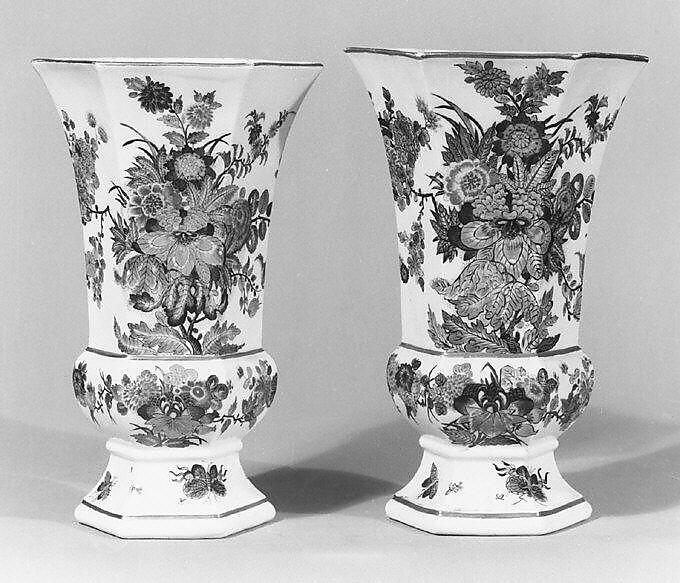
Early European porcelain was heavily influenced by Chinese blue-and-white porcelain before manufacturers gradually developed their own distinctive artistic traditions.
9. Compare European and Asian Styles
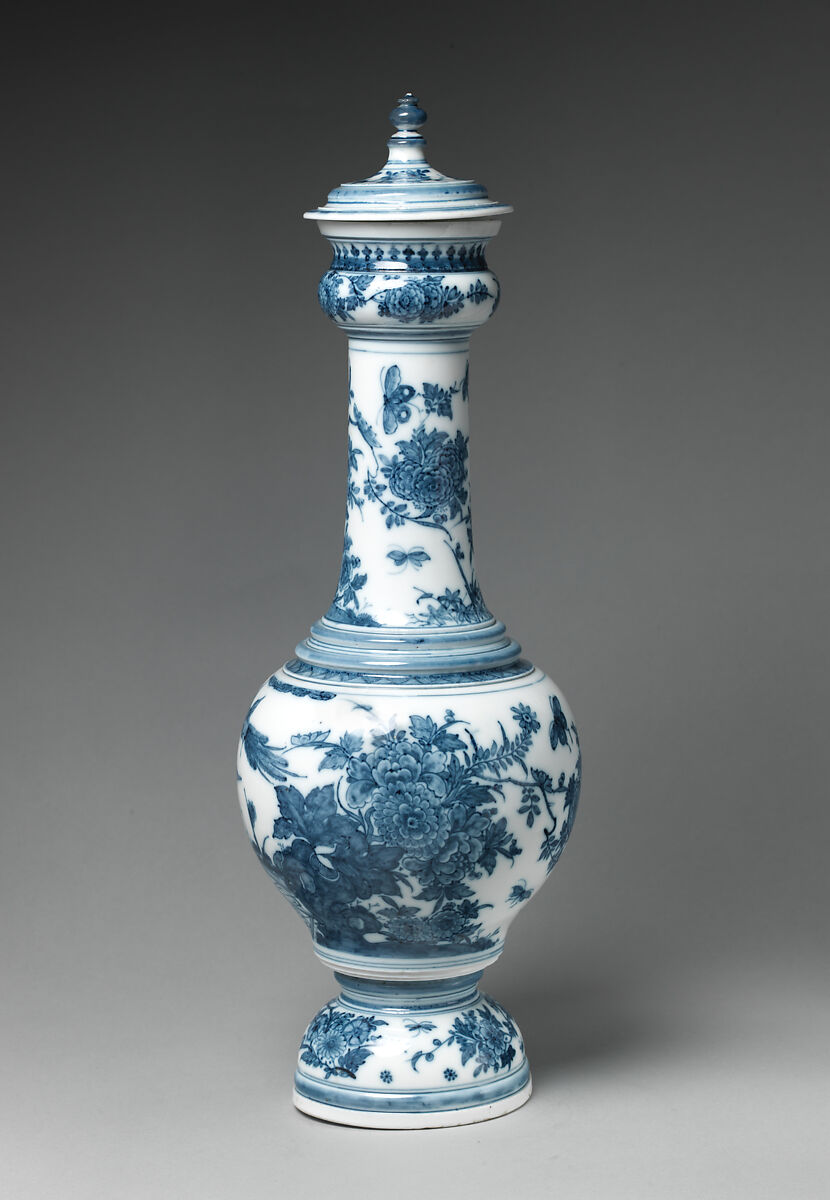
Chinese porcelain inspired nearly every major European porcelain factory during the eighteenth century. Meissen, Sèvres, Chelsea and many others initially copied Asian forms before developing their own styles.
Learn more in our individual guides:
- Chinese Porcelain
- Japanese Porcelain
- German Porcelain
- English Porcelain
- French Porcelain
- Danish Porcelain
- Hungarian Porcelain
Common Mistakes When Identifying Antique Porcelain
- Believing every old mark is genuine.
- Assuming crazing always proves age.
- Thinking all hand-painted porcelain is valuable.
- Ignoring repairs and restorations.
- Judging value only by appearance.
- Cleaning porcelain before examination.
- Comparing only asking prices rather than actual market sales.
Antique Porcelain vs Modern Reproduction
| Feature | Antique Porcelain | Modern Reproduction |
|---|---|---|
| Decoration | Natural variations | Often identical |
| Wear | Logical and gradual | Artificial or absent |
| Marks | Historically consistent | Frequently copied |
| Glaze | Period appropriate | May imitate age |
| Craftsmanship | Fine details | Often simplified |
When Should You Seek Professional Appraisal?
If your porcelain carries an unusual mark, appears hand-painted, belongs to a complete service or resembles pieces made by famous manufacturers, professional appraisal is strongly recommended.
Request a Professional Antique Porcelain Appraisal
Frequently Asked Questions
Can antique porcelain be identified by its mark alone?
No. Factory marks should always be examined together with the porcelain body, decoration, glaze and manufacturing quality.
Does every antique porcelain piece have a mark?
No. Some early pieces were produced without marks or their marks have faded over time.
Does crazing always indicate age?
No. Some modern porcelain intentionally reproduces crazing.
Can modern porcelain be hand-painted?
Yes. Hand painting alone does not prove that a piece is antique.
Is old porcelain always valuable?
No. Value depends on rarity, condition, manufacturer, demand and historical significance.
Related Guides
