
Porcelain vs Faience vs Ceramic: What Is the Difference?
Porcelain, faience, and ceramic are often confused because they are all made from clay and hardened through firing. They have been used for centuries to create dinnerware, tea services, decorative objects, figurines, sculptures, architectural elements, and countless works of art. Despite their similarities, these materials differ significantly in composition, firing temperature, durability, appearance, translucency, manufacturing techniques, and collector value.
Understanding these differences is essential for collectors, antique enthusiasts, dealers, and anyone interested in identifying antique ceramics or estimating their historical and market value. Correctly distinguishing porcelain from faience or other ceramic materials can help identify the manufacturer, approximate production period, authenticity, rarity, and even the most appropriate method of conservation or restoration.
If you are new to collecting ceramics, we also recommend reading our complete guide What Is Porcelain?, which explains how porcelain is made, how to recognise genuine examples, and what makes antique porcelain so valuable.
What Is Ceramic?
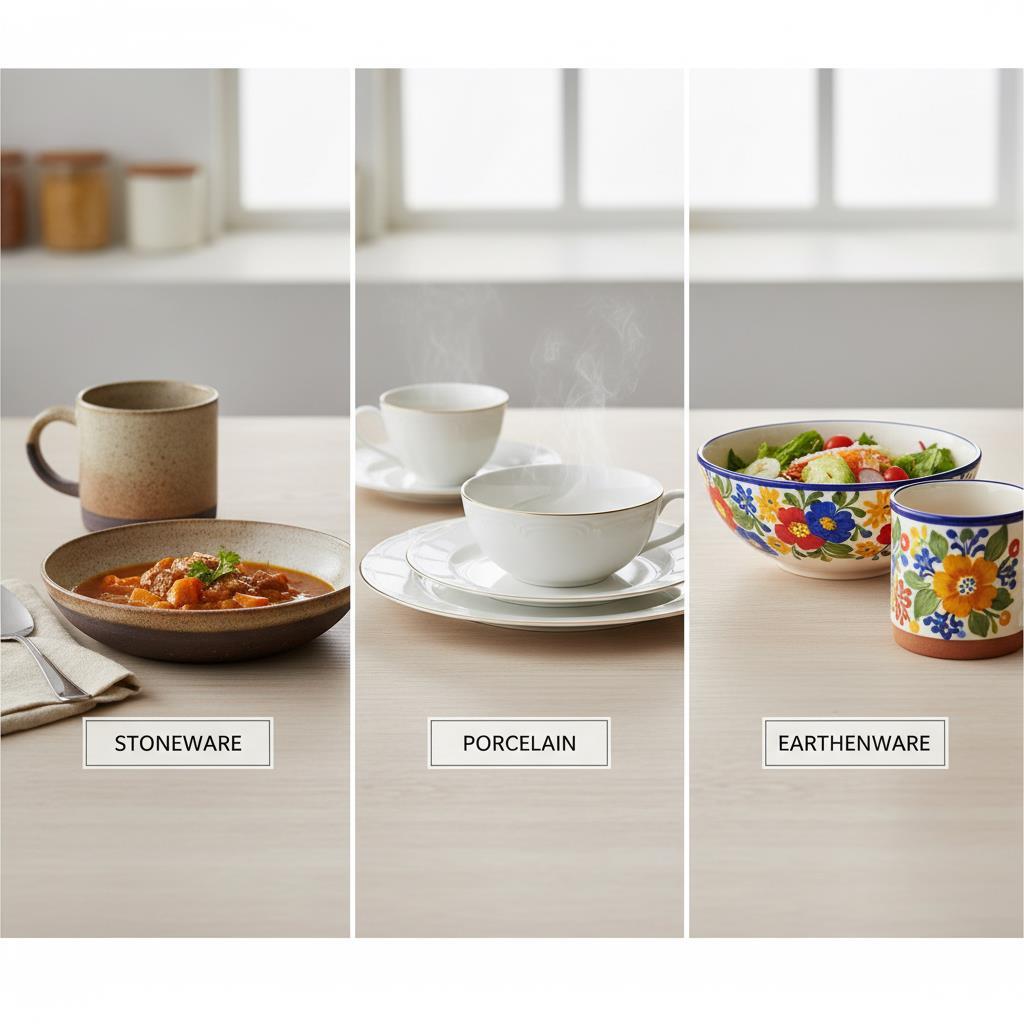
Ceramic is the broadest term used to describe objects made from natural clay and mineral materials that are shaped and permanently hardened by firing at high temperatures. It is one of humanity’s oldest manufactured materials, with a history stretching back thousands of years.
Throughout history, ceramic has been used to produce everyday household objects as well as some of the world’s greatest artistic achievements. Ancient civilizations created cooking vessels, storage jars, roof tiles, sculptures, religious objects, decorative ornaments, and architectural elements long before porcelain was invented.
Today, the ceramic family includes many different materials, including:
- Porcelain
- Faience
- Stoneware
- Earthenware
- Terracotta
- Bone China
- Biscuit porcelain
- Technical ceramics
In simple terms, every porcelain object is ceramic, but not every ceramic object is porcelain. This is one of the most important principles for collectors to understand.
If you would like to explore porcelain in greater detail, see our article What Is Porcelain? and our guide to Types of Porcelain Explained.
What Is Porcelain?
Porcelain is regarded as the finest and most refined member of the ceramic family. Traditional porcelain is manufactured from carefully selected natural materials—primarily kaolin, quartz, and feldspar—which are fired at extremely high temperatures of approximately 1,300°C to 1,450°C (2,372°F–2,642°F).
These temperatures cause the body to vitrify, creating an exceptionally dense, hard, and durable material that is resistant to moisture and capable of surviving for centuries when properly cared for.
Collectors appreciate porcelain because it combines technical excellence with artistic beauty. Fine porcelain is recognised for its:
- Brilliant white body
- Smooth refined glaze
- High density
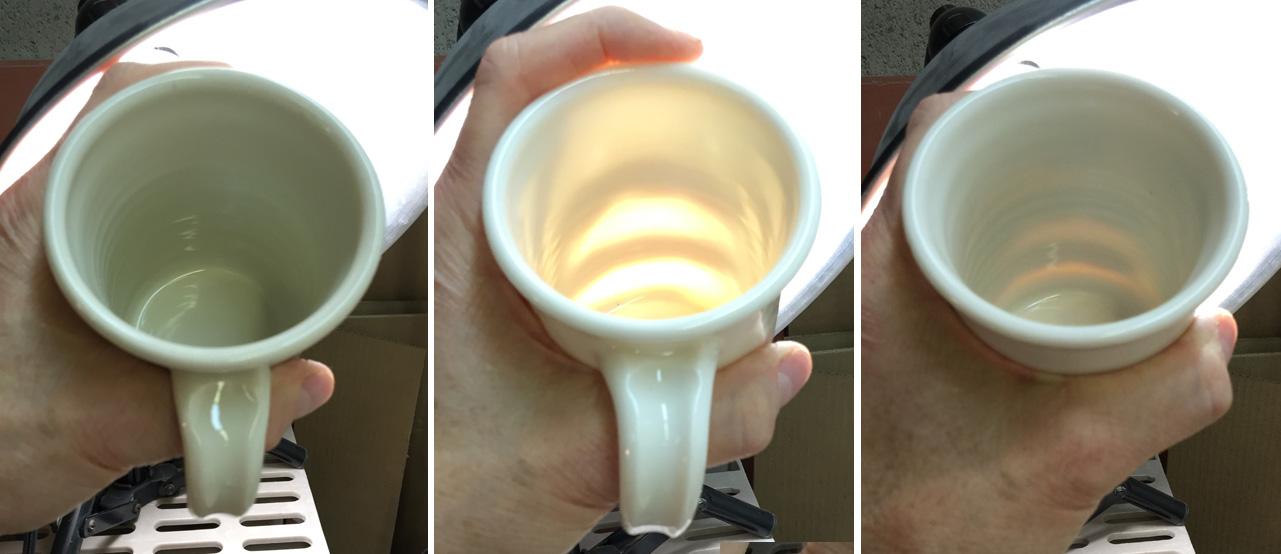
- Delicate translucency
- Clear bell-like sound when gently tapped
- Exceptional craftsmanship
- Long-term durability
Porcelain has been produced in China for more than one thousand years and later became one of Europe’s greatest luxury materials. Today it remains one of the world’s most collected categories of antiques.
Collectors also examine an object’s maker’s mark, factory mark, decoration, craftsmanship, and whether it remains an original before determining authenticity and value.
What Is Faience?
Faience is also a ceramic material, but it differs considerably from porcelain in both composition and manufacture. It is generally produced from refined earthenware clay and fired at significantly lower temperatures—usually between 1,000°C and 1,200°C (1,832°F–2,192°F).
Because of these lower firing temperatures, faience remains more porous and softer than porcelain. To make it waterproof and attractive, it is almost always covered with a glazed surface.
For centuries, faience has been used to produce:
- Dinner services
- Decorative plates
- Tiles
- Vases
- Architectural ornaments
- Decorative vessels
- Household ceramics
Many antique faience objects are highly collectible today, particularly pieces produced by well-known European manufacturers or those decorated by hand.
Like porcelain, valuable faience should be evaluated carefully for authenticity, condition, and any evidence of previous restoration before determining its collector value.
Main Differences Between Porcelain, Faience and Ceramic
Although porcelain, faience, and ceramic all belong to the same family of fired clay materials, they differ considerably in their composition, manufacturing process, firing temperature, durability, appearance, and collector value.
Understanding these differences allows collectors to identify objects more accurately and avoid confusing an ordinary ceramic piece with valuable antique porcelain or historically important faience.
| Feature | Porcelain | Faience | Ceramic |
|---|---|---|---|
| Main Material | Kaolin, quartz and feldspar | Refined earthenware clay | Various natural clays and minerals |
| Firing Temperature | 1,300–1,450°C | 1,000–1,200°C | Depends on the ceramic type |
| Density | Very high | Medium | Varies |
| Porosity | Very low | Higher | Depends on the material |
| Translucency | Usually yes | No | Usually no |
| Surface | Smooth and refined | Glazed | Depends on the ceramic type |
| Strength | ★★★★★ | ★★★☆☆ | ★★★★☆ |
| Collector Value | Usually highest | Can also be very valuable | Depends on rarity and maker |
How to Tell Porcelain from Faience
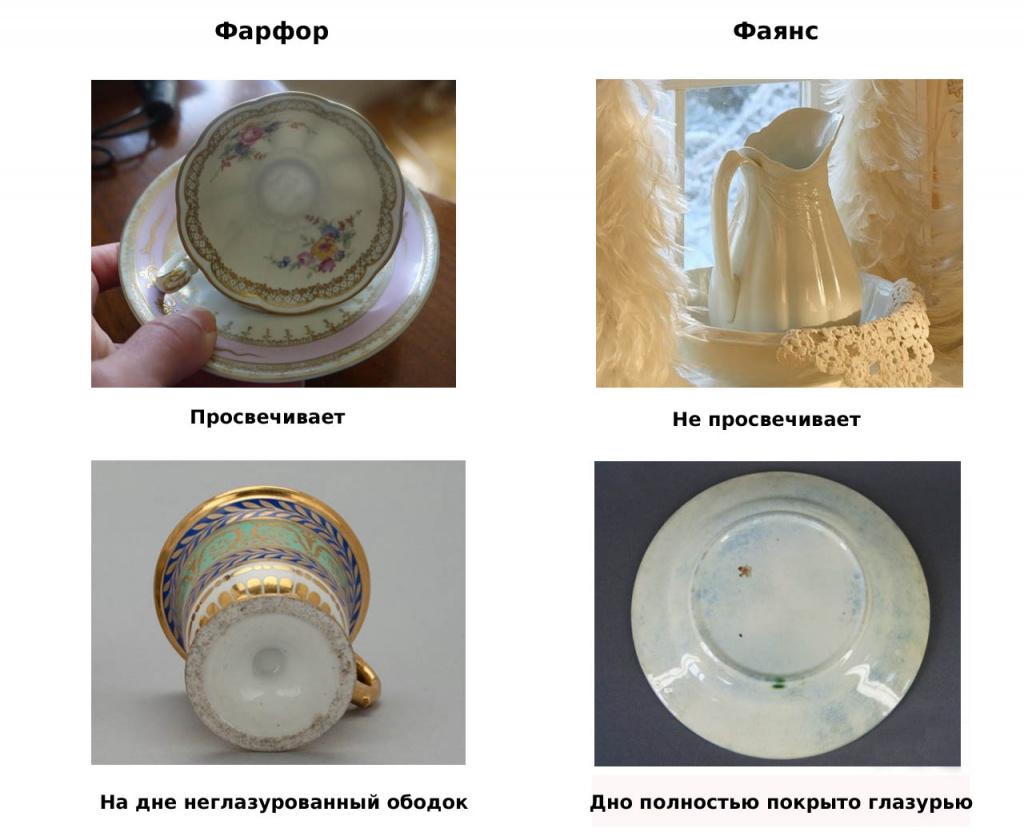
At first glance, porcelain and faience can appear remarkably similar. Both may be beautifully decorated, glazed, and finely painted. However, experienced collectors examine several characteristics before identifying the material.
Porcelain is usually:
- lighter for its size;
- thinner and more refined;
- slightly translucent when held against strong light;
- harder and denser;
- capable of producing a clear bell-like sound when gently tapped.
Faience, by comparison, is generally:
- thicker;
- heavier;
- more porous beneath the glaze;
- less translucent;
- quieter when tapped.
These observations provide useful clues, but they should never be used in isolation. Experts also examine decoration techniques, manufacturing quality, glaze, factory marks, age, and overall craftsmanship.
Can Ceramic Be More Valuable Than Porcelain?
Many beginners assume porcelain is always the most valuable ceramic material. In reality, value depends on far more than the material itself.
A rare hand-painted faience charger produced by an important European factory may be worth considerably more than a modern porcelain plate. Likewise, a unique ceramic sculpture by a famous artist may exceed the value of many antique porcelain objects.
Professional appraisers consider numerous factors including:
- Manufacturer
- Age
- Rarity
- Condition
- Decoration quality
- Historical importance
- Documented provenance
- Collector demand
- Factory or maker’s marks
Collectors should therefore evaluate the complete object rather than assuming that one material is automatically superior to another.
How Do Experts Identify Antique Ceramics?
Professional identification involves much more than simply determining whether an object is porcelain or faience.
Specialists carefully examine:
- the ceramic body;
- glaze composition;
- manufacturing techniques;
- decoration methods;
- factory marks and backstamps;
- natural ageing;
- evidence of restoration;
- overall condition;
- historical provenance.
Experts also determine whether an object remains an original or whether it may be a copy, a replica, or even a fake.
Why Material Identification Matters
Correctly identifying the ceramic body is often the first step in understanding an object’s history. The material can provide valuable clues about its country of origin, production period, intended use, manufacturing technology, and potential collector value.
For example, recognising whether an object is porcelain, faience, stoneware, or earthenware helps determine the most appropriate conservation methods and whether professional conservation or restoration may be advisable.
Which Material Is More Valuable?
Many people assume that porcelain is always more valuable than faience or other ceramic materials. While porcelain often commands higher prices because of its refined composition, translucency, and demanding manufacturing process, the reality is far more complex.
Professional antique valuation is never based on the material alone. An exceptional piece of antique faience produced by a renowned factory may be considerably more valuable than an ordinary porcelain plate. Likewise, a rare ceramic sculpture by a celebrated artist can far exceed the value of many porcelain objects.
When determining value, specialists evaluate:
- The manufacturer or workshop
- The production period
- Rarity
- Condition
- Artistic quality
- Factory or maker’s marks
- Documented provenance
- Historical significance
- Collector demand
- Whether the object remains an original
Collectors should therefore never judge an object solely by the material from which it is made. Every antique deserves to be evaluated individually.
How Material Affects Antique Identification
Correctly identifying whether an object is porcelain, faience, stoneware, earthenware, or another ceramic material is often the first step towards understanding its history. The material itself can reveal valuable information about where and when an object was made, the technology available to its manufacturer, and even the social status of the people who originally owned it.
Professional appraisers study far more than appearance alone. During identification they examine:
- The ceramic body
- Glaze composition
- Manufacturing techniques
- Decoration methods
- Factory marks and backstamps
- Natural ageing
- Evidence of previous restoration
- Condition
- Historical provenance
This complete evaluation helps determine whether an object is a genuine antique, a later production, or perhaps even a copy, a replica, or a fake.
Common Mistakes Made by Collectors
One of the most common mistakes is assuming that every white ceramic object is porcelain. In reality, many glazed earthenware and faience pieces resemble porcelain from a distance, particularly when viewed in photographs.
Other frequent mistakes include:
- Judging authenticity only by the factory mark.
- Ignoring chips, cracks, or poor repairs.
- Assuming every old ceramic object is valuable.
- Cleaning valuable ceramics too aggressively.
- Confusing decorative reproductions with historical originals.
- Ignoring provenance and historical documentation.
Learning to distinguish between an original, a copy, a replica, and a fake can prevent expensive collecting mistakes.
When Should You Seek a Professional Appraisal?
If you are uncertain whether your object is porcelain, faience, or another type of ceramic, obtaining a professional appraisal is often the safest option. An experienced specialist can identify the material, estimate its age, determine the manufacturer when possible, assess authenticity, and provide an approximate market valuation.
Professional advice is particularly valuable before:
- Buying an expensive antique
- Selling an inherited collection
- Restoring damaged ceramics
- Obtaining insurance
- Offering objects at auction
➡️ Request a Professional Antique Valuation
Frequently Asked Questions
Is porcelain always more valuable than faience?
Not necessarily. Although porcelain is often considered the finest ceramic material, value depends on many factors beyond the material itself. A rare hand-painted faience charger produced by an important factory may be worth considerably more than an ordinary porcelain plate. Manufacturer, rarity, age, condition, artistic quality, provenance, and collector demand all influence value.
Can you tell porcelain from faience just by looking?
Sometimes, but not always. Porcelain is generally thinner, denser, more translucent, and produces a clear ringing sound when gently tapped. Faience is usually thicker, more porous beneath the glaze, and has a duller sound. However, many objects require professional examination because appearance alone can be misleading.
Is every white ceramic object porcelain?
No. Many glazed ceramics and faience objects are also white. Colour alone does not identify porcelain. Specialists evaluate the ceramic body, glaze, translucency, manufacturing methods, decoration, and maker’s marks before determining the material.
Can damaged porcelain still be valuable?
Yes. Rare manufacturers, exceptional artistic quality, historical significance, and documented provenance may allow damaged porcelain to remain highly collectible. However, chips, cracks, and poor-quality repairs usually reduce market value.
Conclusion
Although porcelain, faience, and ceramic are closely related, they are not the same material. Ceramic is the broad category that includes porcelain, faience, stoneware, earthenware, and many other fired clay products. Porcelain is generally the hardest, finest, and most refined ceramic, while faience is a glazed earthenware with a softer and more porous body.
For collectors, understanding these differences is far more than an academic exercise. Correct identification can reveal an object’s age, origin, manufacturing method, historical importance, authenticity, and approximate market value. Combined with careful examination of factory marks, craftsmanship, provenance, and condition, material identification forms the foundation of professional antique appraisal.
Whether you are researching an inherited family heirloom, purchasing your first collectible, or expanding an established collection, learning the differences between porcelain, faience, and ceramic will help you make more informed collecting decisions and avoid costly mistakes.
Continue Learning
- What Is Porcelain?
- Types of Porcelain Explained
- What Is Chinese Porcelain?
- What Is Japanese Porcelain?
- What Is Russian Porcelain?
- What Is Restoration?
- What Is Conservation?
- What Is an Original?
- What Is a Copy?
- What Is a Replica?
- What Is a Fake?
- What Is a Certificate of Authenticity?
Explore Related Collections
If you enjoy collecting porcelain, faience, and antique ceramics, you may also be interested in exploring our carefully curated selection of historical and decorative antiques.
- Porcelain & Decorative Objects
- Paintings & Decorative Art
- Antique Furniture
- Rare & Antique Books
- Antique Watches & Jewellery
If you are uncertain whether your object is porcelain, faience, or another ceramic material, or if you would like to learn more about its manufacturer, age, authenticity, or value, our specialists can help.
