
The Complete Guide to Bulgarian Porcelain: History, Manufacturers, Marks, Bone China and Collecting
Bulgarian porcelain is one of Europe’s best-kept ceramic traditions. While countries such as Germany, France, England and Denmark are internationally celebrated for their porcelain, Bulgaria quietly developed its own industry that produced elegant tableware, decorative objects and one of the Balkans’ only true Bone China productions.
Today Bulgarian porcelain is becoming increasingly attractive to collectors thanks to its excellent craftsmanship, distinctive factory marks, limited production and fascinating industrial history. From the early Izida Factory near Elin Pelin to the famous Vidin Porcelain Factory and modern Bononia Fine Bone China, Bulgaria has produced porcelain for well over a century.
Whether you inherited an old tea service, discovered an unfamiliar porcelain vase or simply want to learn more about Bulgaria’s ceramic heritage, this guide explains everything you need to know—from history and manufacturers to factory marks, identification, collecting and valuation.
What Is Bulgarian Porcelain?
Bulgarian porcelain refers to porcelain produced by Bulgarian manufacturers from the late nineteenth century to the present day. During this period several factories manufactured household porcelain, decorative ceramics, hotel ware, institutional tableware, artistic figurines and luxury gift collections for both domestic use and export.
Although Bulgaria never produced porcelain on the same industrial scale as Germany or England, its manufacturers earned a reputation for producing durable, elegant and beautifully decorated pieces that reflected both European traditions and local artistic influences.
Collectors today appreciate Bulgarian porcelain for several reasons:
- Limited production compared with major European manufacturers.
- Excellent craftsmanship.
- High-quality glazing and decoration.
- Distinctive factory marks.
- Unique Bone China production.
- Growing collector interest.
Many surviving pieces remain surprisingly affordable, making Bulgarian porcelain an excellent entry point for new collectors while also offering rare examples sought after by experienced enthusiasts.
Why Bulgarian Porcelain Deserves More Recognition
For many decades Bulgarian porcelain remained relatively unknown outside Eastern Europe. Political history, limited exports and changing international markets meant that many remarkable pieces never achieved the worldwide recognition enjoyed by Meissen, Limoges or Royal Copenhagen.
Today this is beginning to change. As collectors explore less familiar European manufacturers, Bulgarian porcelain is attracting increasing attention for its historical importance, artistic quality and relatively limited surviving production.
Unlike mass-produced modern ceramics, many Bulgarian porcelain objects were carefully finished, hand decorated and produced in comparatively small quantities. Certain factory series have become particularly desirable because they rarely appear on today’s collectors’ market.
The History of Bulgarian Porcelain
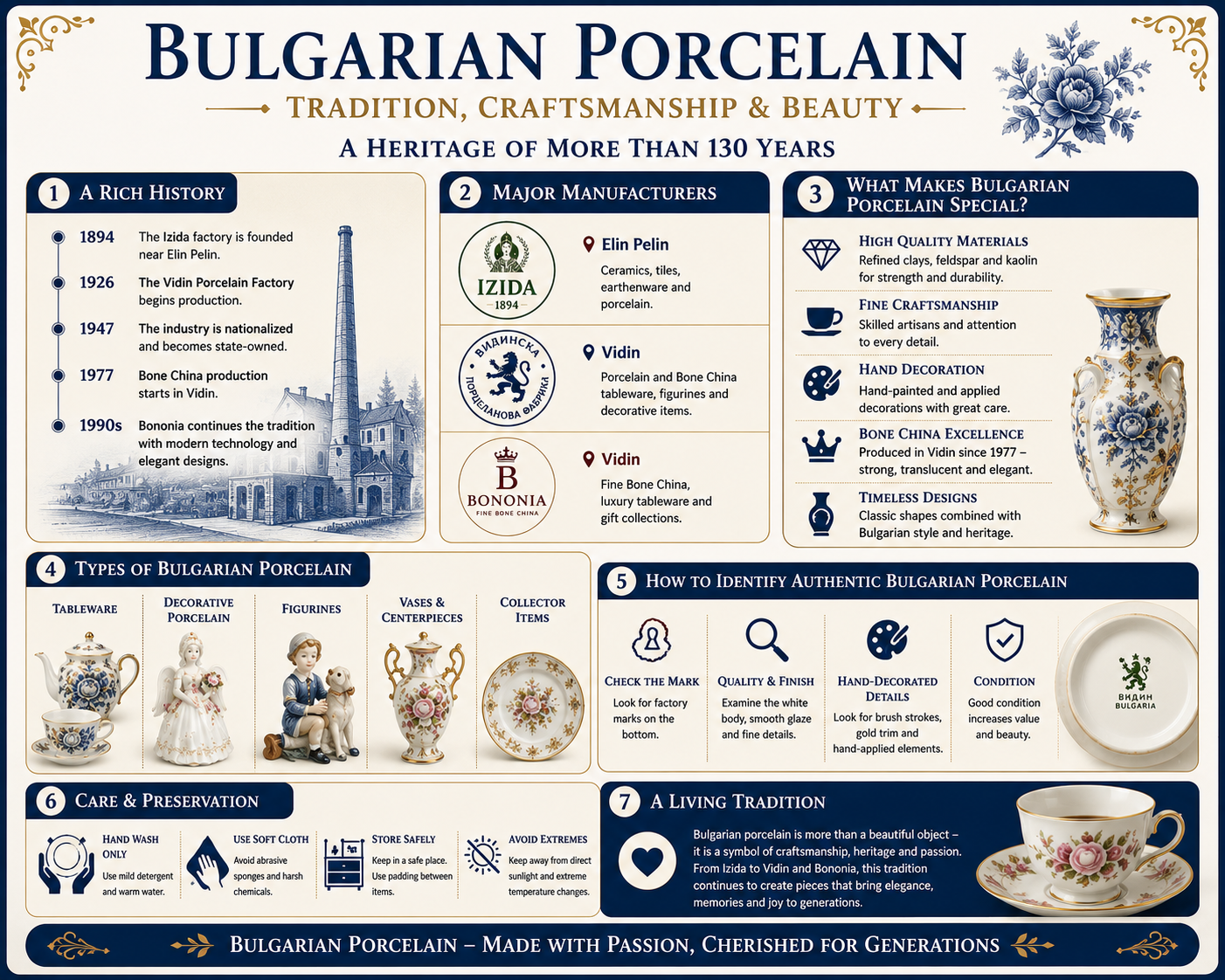
The story of Bulgarian porcelain reflects the country’s industrial development throughout the twentieth century. From small private factories before the Second World War to state-owned production and eventually modern luxury porcelain manufacturing, each period introduced new technologies, artistic styles and manufacturing techniques.
Although ceramic production had existed in Bulgaria for centuries, true industrial porcelain manufacturing developed much later, following broader European trends.
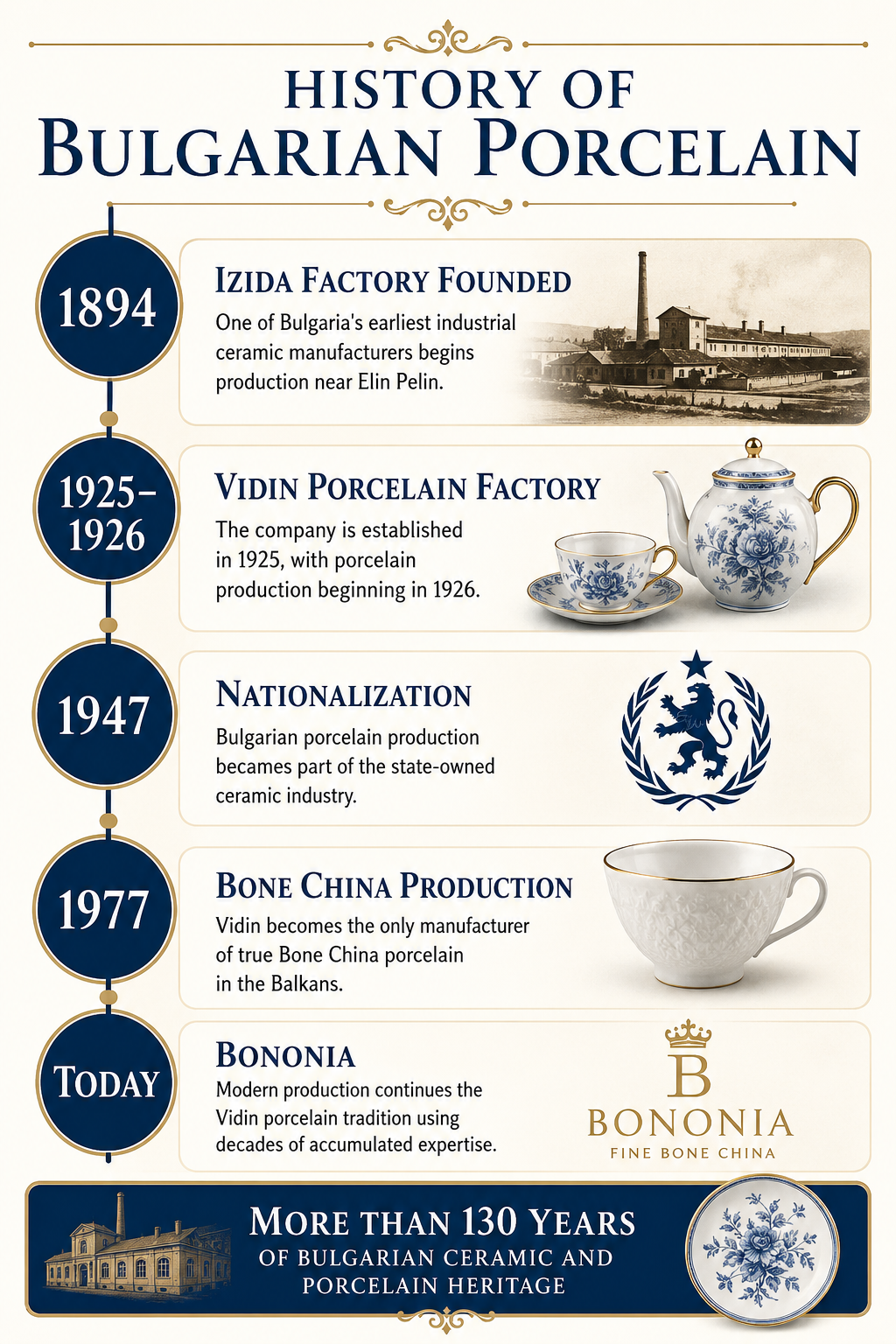
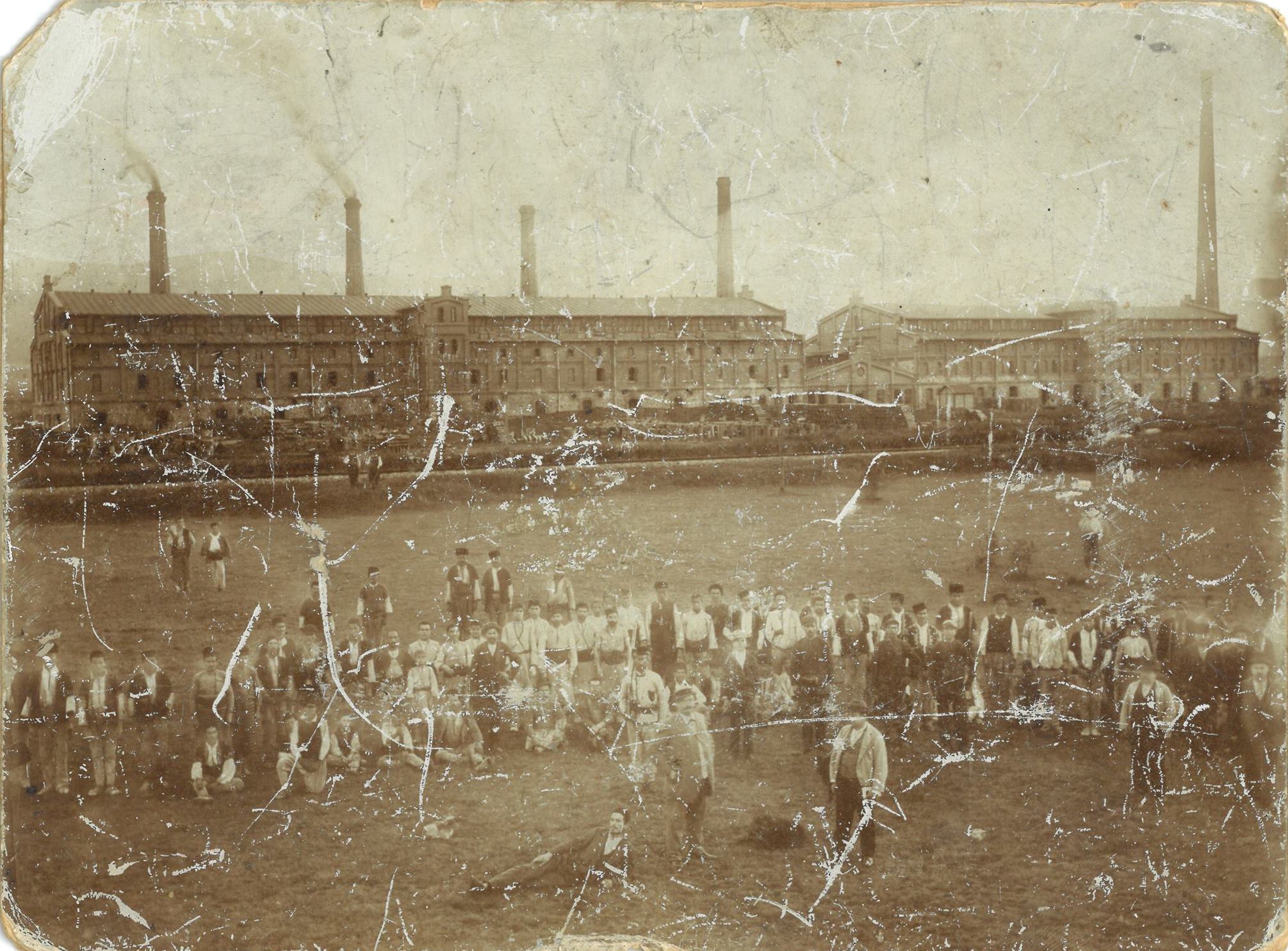
One of the earliest important names is the Izida Factory, established in 1894 near Elin Pelin. Initially known primarily for ceramic products, tiles and household ware, it became an important milestone in Bulgaria’s industrial ceramic history.
Another decisive moment came with the establishment of the company behind what would become the Vidin Porcelain Factory in 1925, with porcelain production beginning in 1926. Over the following decades Vidin became Bulgaria’s best-known porcelain producer and eventually the only industrial manufacturer of genuine Bone China in the Balkans.
After the nationalization of industry in 1947, porcelain production became part of Bulgaria’s state-owned manufacturing system. Standardized production methods, expanded output and wider domestic distribution characterized this period.
A major technological breakthrough arrived in 1977, when Bone China production began in Vidin. This represented one of the most significant achievements in Bulgarian porcelain manufacturing because Bone China requires sophisticated raw materials, precise firing temperatures and advanced production technology.
Following political and economic changes during the 1990s, Bulgaria’s porcelain industry entered a new phase. Modern manufacturers such as Bononia Fine Bone China continued the tradition while introducing contemporary designs and luxury collections aimed at international markets.
Timeline of Bulgarian Porcelain
The following timeline summarizes the most important milestones in Bulgarian porcelain production over more than 130 years.
| Year | Event | Importance |
|---|---|---|
| 1894 | Izida Factory founded near Elin Pelin | One of Bulgaria’s earliest industrial ceramic manufacturers. |
| 1925–1926 | Vidin company established and porcelain production begins | Marks the beginning of Bulgaria’s most famous porcelain factory. |
| 1947 | Nationalization of the porcelain industry | Production becomes part of the state-owned industrial system. |
| 1977 | Bone China production begins in Vidin | The only industrial Bone China production in the Balkans. |
| 1990s–Today | Bononia continues the Vidin tradition | Modern luxury porcelain and Fine Bone China production. |
Why This History Matters to Collectors
Understanding the historical development of Bulgarian porcelain makes identification considerably easier. The production period often determines the manufacturing techniques, factory marks, decorative styles and materials used for each object.
Collectors who understand this chronology are generally better equipped to recognize original factory marks, estimate production periods and distinguish earlier porcelain from later reproductions or modern decorative ceramics.
In the next section we will examine Bulgaria’s major porcelain manufacturers, including Izida, the Vidin Porcelain Factory and Bononia Fine Bone China, and explain how each contributed to the country’s unique porcelain heritage.
Major Bulgarian Porcelain Manufacturers
Although Bulgaria never had dozens of porcelain factories like Germany or France, several manufacturers played a decisive role in developing the country’s ceramic industry. Each factory introduced its own production techniques, artistic styles and manufacturing standards, helping shape what collectors now recognize as Bulgarian porcelain.
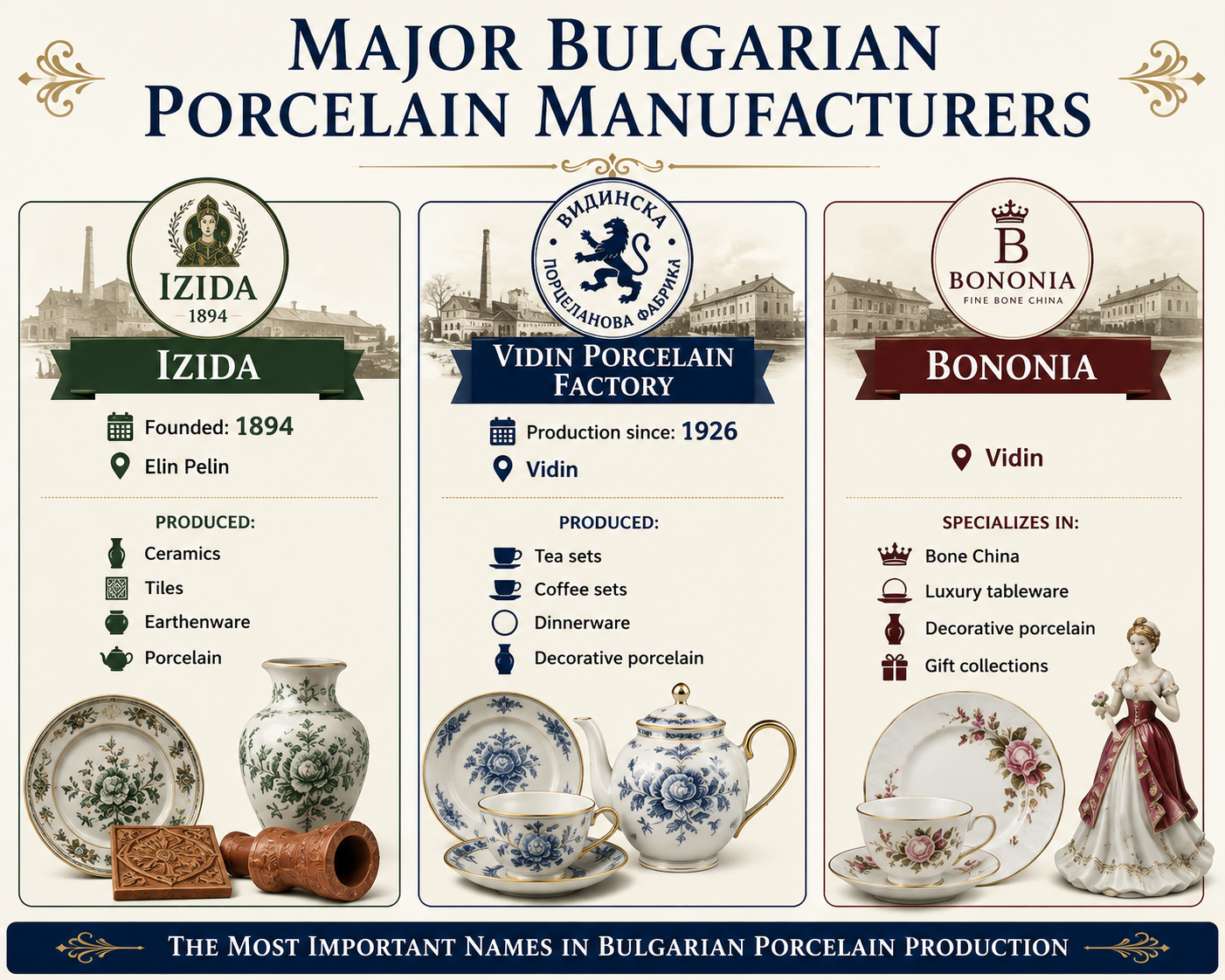
Among the most important names are Izida, the Vidin Porcelain Factory and Bononia Fine Bone China. Together they represent more than 130 years of industrial and artistic development.
Izida – One of Bulgaria’s Earliest Ceramic Manufacturers
Founded in 1894 near Elin Pelin, the Izida Factory became one of Bulgaria’s earliest industrial ceramic manufacturers. Long before porcelain production expanded in Vidin, Izida had already established itself as an important producer of ceramic building materials and household products.
Throughout its history the factory manufactured a wide range of products, including:
- ceramic tiles;
- architectural ceramics;
- tableware;
- household ceramics;
- decorative items;
- porcelain products in later production periods.
Although collectors often associate Bulgarian porcelain primarily with Vidin, Izida represents an important starting point in the country’s industrial ceramic history. Surviving pieces from the factory are relatively uncommon today and provide valuable insight into Bulgaria’s early manufacturing traditions.
Historical Importance
Izida demonstrated that Bulgaria was capable of producing high-quality ceramic products using modern industrial methods at a time when much of the country’s ceramics were still handmade. This laid important foundations for later porcelain production.
The Vidin Porcelain Factory
The name most closely associated with Bulgarian porcelain is undoubtedly the Vidin Porcelain Factory. Established through a company founded in 1925, porcelain production officially began in 1926, marking the beginning of Bulgaria’s best-known porcelain manufacturing tradition.
Located on the banks of the Danube River, Vidin became the country’s principal center for porcelain production for decades.
The factory produced an extensive range of porcelain including:
- tea services;
- coffee sets;
- dinner services;
- decorative plates;
- vases;
- porcelain figurines;
- giftware;
- institutional and hotel porcelain.
Many Bulgarian households owned Vidin porcelain during the second half of the twentieth century, making these products an important part of everyday life as well as Bulgaria’s industrial heritage.
Quality and Design
Vidin porcelain became known for its clean white body, durable glaze and attractive decoration. Designs ranged from simple everyday tableware to elaborate hand-decorated pieces featuring floral motifs, gold trim and traditional European patterns.
Collectors particularly appreciate complete tea and coffee services that retain their original lids, matching cups and saucers.
State-Owned Production After 1947
Following the nationalization of Bulgaria’s industry in 1947, porcelain manufacturing became part of the state-owned industrial system. Production volumes increased significantly to satisfy domestic demand while many products were also exported to other countries.
During this period factories introduced:
- standardized production methods;
- quality control systems;
- factory identification marks;
- catalogue numbers;
- larger product ranges.
Although industrial efficiency became increasingly important, many decorative items continued to feature skilled hand decoration and high manufacturing standards.
The Birth of Bulgarian Bone China
Perhaps the greatest technological achievement in Bulgarian porcelain production came in 1977, when Vidin introduced genuine Bone China manufacturing.
Bone China is considerably more difficult to produce than ordinary porcelain because it requires:
- bone ash;
- high-quality kaolin;
- carefully controlled firing temperatures;
- precise material proportions;
- advanced production technology.
The successful introduction of Bone China established Vidin as the only industrial producer of genuine Bone China in the Balkans, a distinction it still holds today through Bononia Fine Bone China.
Bononia Fine Bone China
After Bulgaria’s economic transition during the 1990s, porcelain manufacturing entered a new era. Rather than abandoning the country’s porcelain tradition, modern producers continued developing it through higher-quality collections aimed at international markets.
The best-known contemporary manufacturer is Bononia Fine Bone China, which continues production in Vidin using decades of accumulated expertise.
Today Bononia specializes in:
- Fine Bone China;
- luxury tea services;
- coffee sets;
- dinnerware;
- gift collections;
- decorative porcelain.
Bononia combines traditional craftsmanship with modern production techniques, helping preserve one of Bulgaria’s most important industrial and artistic traditions.
The Konaka Museum in Vidin
Visitors interested in Bulgarian porcelain history can explore part of this heritage at the Konaka Museum in Vidin. The museum preserves historical objects connected with the city’s industrial and cultural development, including exhibits related to porcelain production.
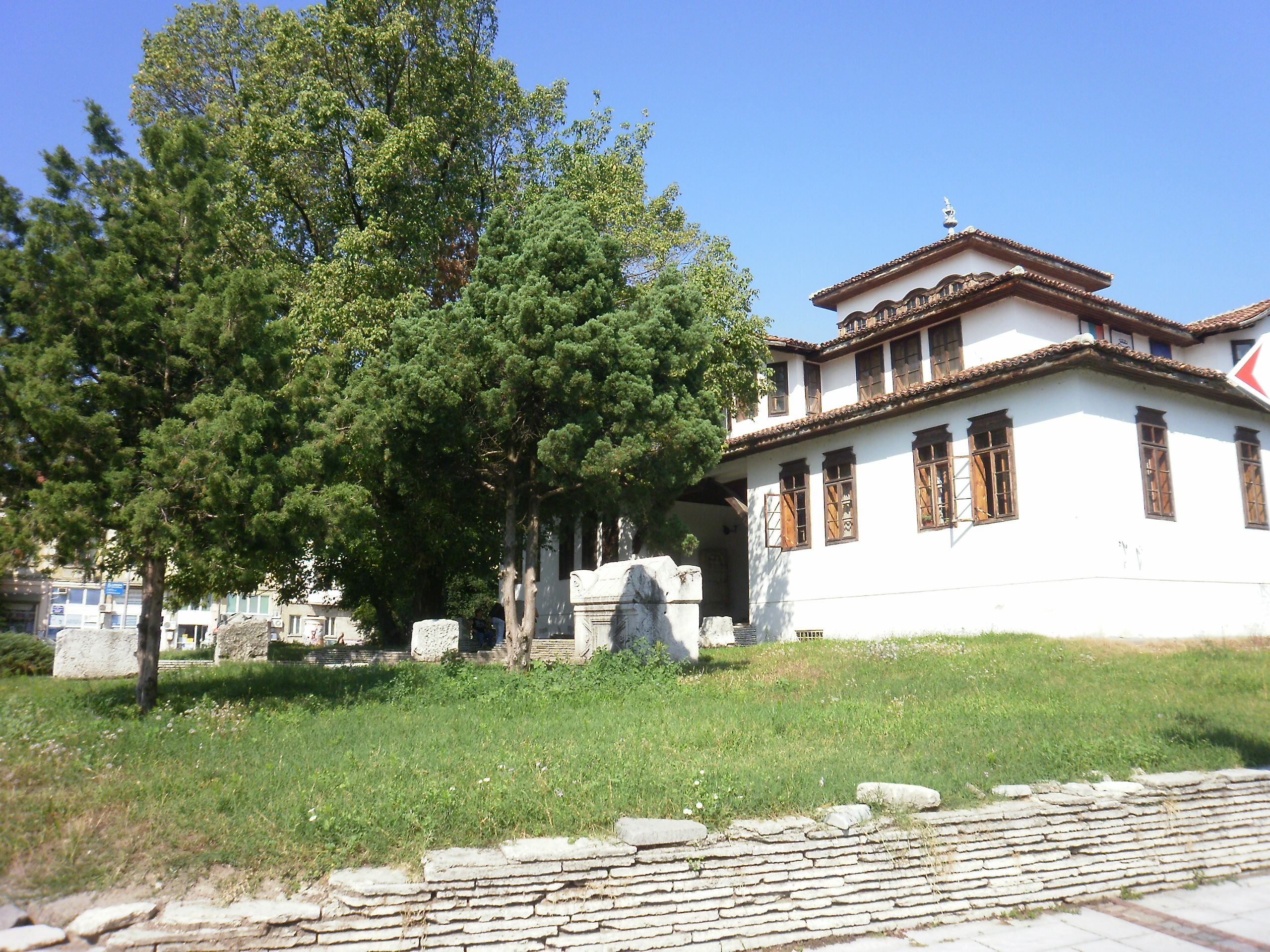
Although the museum is not dedicated exclusively to porcelain, it provides valuable historical context for understanding how Vidin became Bulgaria’s porcelain capital.
Comparing Bulgaria’s Major Manufacturers
| Manufacturer | Founded | Location | Main Production | Collector Interest |
|---|---|---|---|---|
| Izida | 1894 | Elin Pelin | Ceramics, tiles, household ware | ★★★★☆ |
| Vidin Porcelain Factory | 1925–1926 | Vidin | Porcelain tableware, figurines, decorative pieces | ★★★★★ |
| Bononia Fine Bone China | Modern continuation | Vidin | Fine Bone China, luxury porcelain | ★★★★★ |
Why the Manufacturer Matters
Knowing the manufacturer is one of the first steps in identifying Bulgarian porcelain. Different factories used different raw materials, production techniques, decorative styles and factory marks. Understanding these differences allows collectors to date objects more accurately and estimate their rarity.
In the next section we will explore one of Bulgaria’s greatest porcelain achievements—the production of genuine Bulgarian Bone China—and explain why it remains unique within the Balkans.
Bulgarian Bone China – A Unique Achievement in European Porcelain
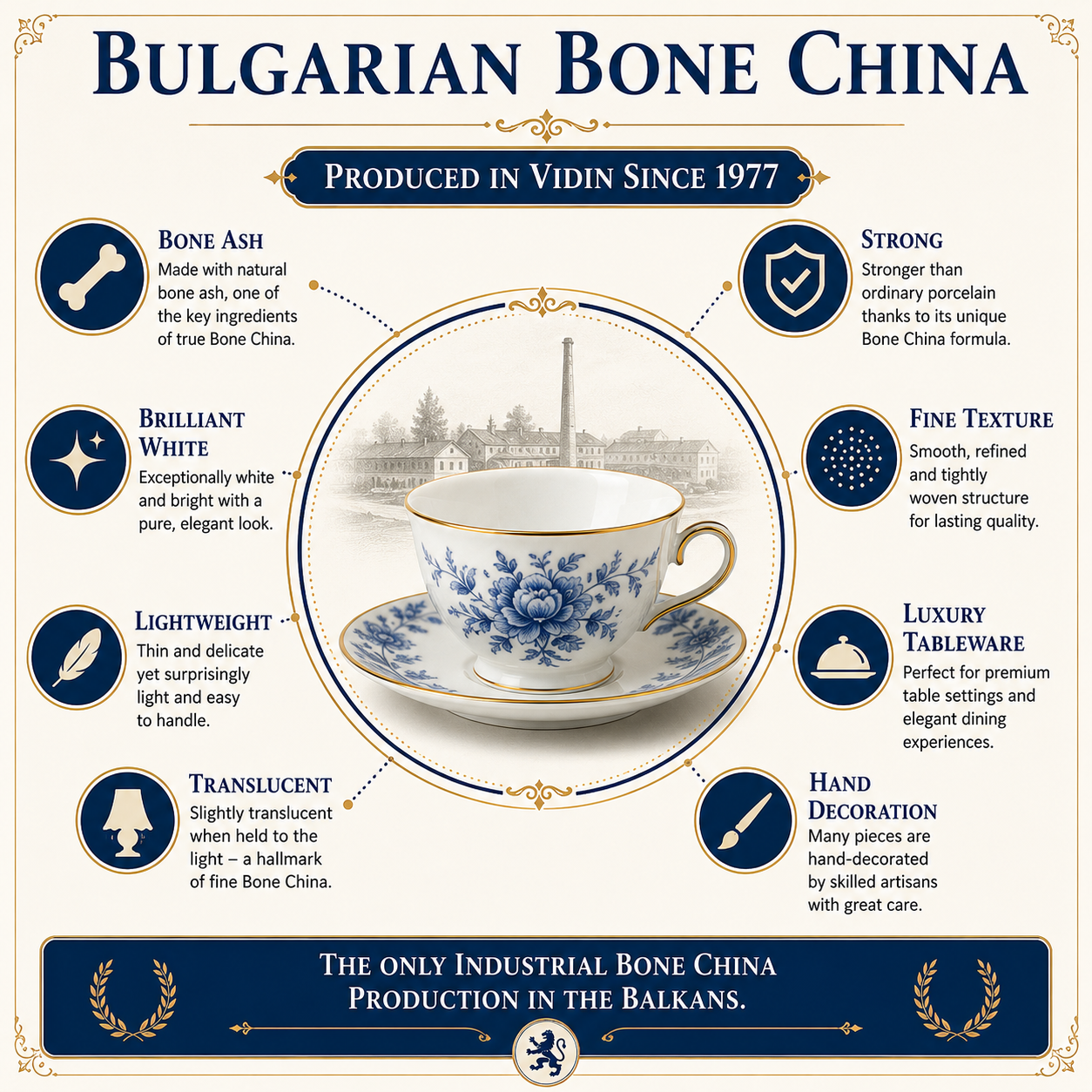
One of the most remarkable chapters in Bulgaria’s porcelain history is the production of genuine Bone China. While many collectors associate Bone China with England, relatively few realize that Bulgaria also developed its own industrial Bone China production, making it unique within the Balkans.
The introduction of Bone China manufacturing in Vidin in 1977 represented a major technological milestone. Producing true Bone China requires specialized raw materials, carefully controlled firing temperatures and years of technical expertise. Only a limited number of factories worldwide have successfully mastered this process.
This achievement elevated Bulgarian porcelain to a completely new level of quality and established Vidin as one of the few porcelain centers in Europe capable of manufacturing genuine Fine Bone China.
What Is Bone China?
Bone China is considered one of the world’s finest porcelain materials. Unlike traditional hard-paste porcelain, it contains a significant proportion of bone ash, which gives the finished porcelain several unique characteristics.
Typical Bone China combines:
- Bone ash
- Kaolin
- Feldspar
- China stone or other mineral components
The precise composition varies between manufacturers, but the production process always requires extremely accurate control of raw materials and firing temperatures.
Characteristics of Bulgarian Bone China
Bulgarian Bone China shares many of the qualities that made English Bone China famous throughout the world.
- Exceptional whiteness
- Lightweight construction
- High mechanical strength
- Fine translucent body
- Smooth glossy glaze
- Excellent durability
- Elegant appearance
- Suitable for luxury tableware
These qualities made Bone China especially suitable for formal dinner services, tea sets, coffee services and luxury gift collections.
Why Is Bone China Translucent?
One of the easiest ways to recognize genuine Bone China is its remarkable translucency.
When held against a strong light source, thin sections of authentic Bone China allow light to pass through the porcelain body, creating a warm, soft glow rather than complete opacity.
This characteristic results from the combination of bone ash and the extremely fine porcelain body produced during firing.
Collectors frequently perform this simple observation when examining unknown porcelain, although translucency alone should never be considered proof of authenticity.
Why Was Bulgarian Bone China Important?
The successful introduction of Bone China production demonstrated that Bulgarian engineers and ceramic specialists had mastered one of the world’s most demanding porcelain technologies.
Unlike ordinary porcelain, Bone China manufacturing requires:
- carefully selected raw materials;
- precise material proportions;
- multiple firing stages;
- strict quality control;
- highly experienced technicians.
This technological achievement positioned Bulgaria among a relatively small group of countries capable of producing genuine industrial Bone China.
Bononia Fine Bone China
Today the tradition continues through Bononia Fine Bone China, which remains closely connected with Vidin’s porcelain heritage.
Modern Bononia collections combine traditional porcelain craftsmanship with contemporary design, producing elegant:
- tea services;
- coffee services;
- dinnerware;
- decorative plates;
- vases;
- gift collections;
- luxury home accessories.
Many pieces continue to be decorated by skilled craftsmen, preserving techniques that have been refined over several decades.
Bulgarian Porcelain Heritage
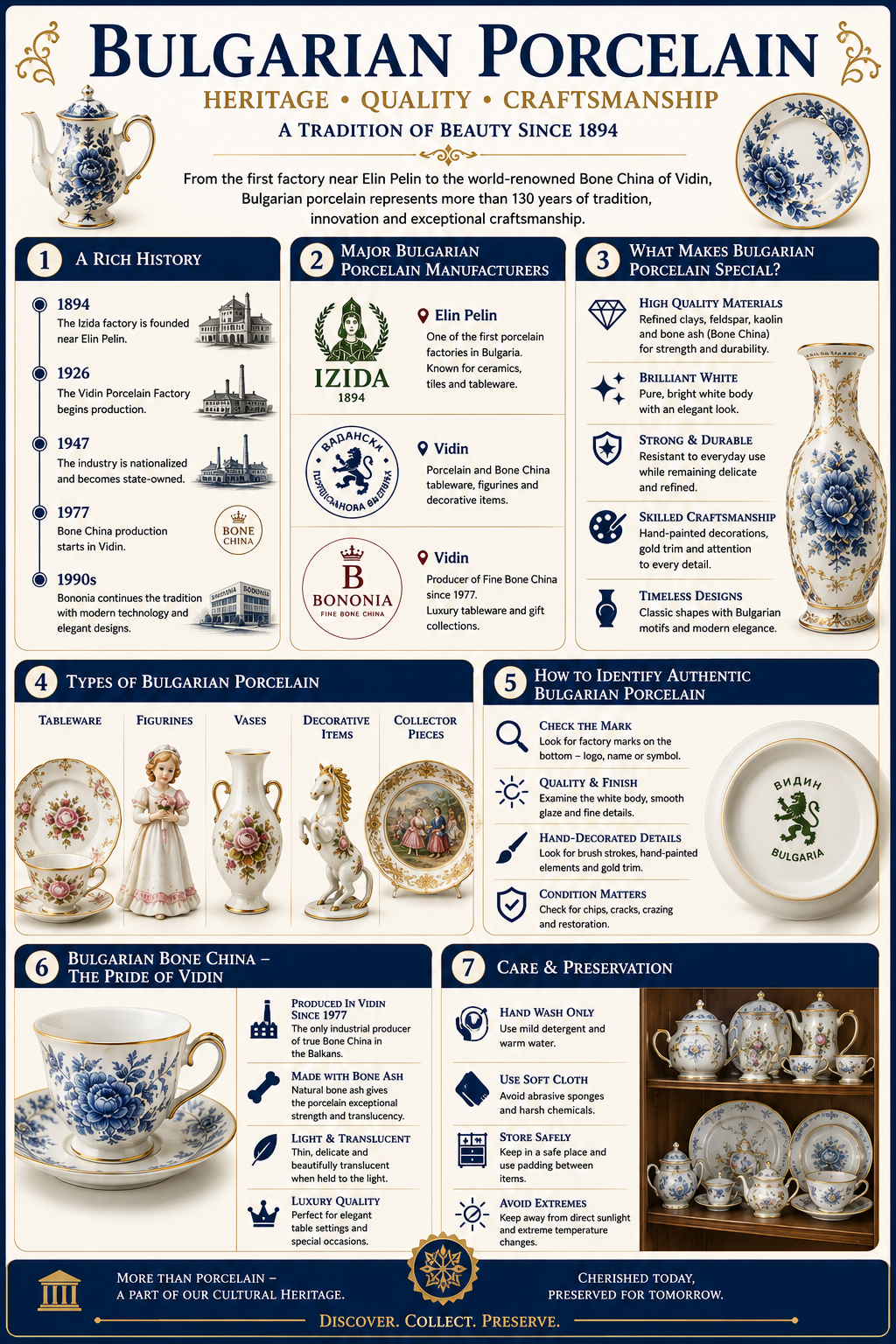
Bulgarian porcelain is more than a collection of factories—it represents more than a century of industrial development, artistic craftsmanship and technological innovation.
From Izida’s early ceramic production to Vidin’s internationally respected porcelain and today’s Bononia Fine Bone China, the Bulgarian porcelain industry reflects the country’s determination to develop its own identity within European ceramics.
Why Collectors Are Rediscovering Bulgarian Porcelain
International interest in Bulgarian porcelain has grown steadily over recent years. Collectors searching beyond the traditional German, French and English manufacturers are discovering that Bulgarian porcelain offers an attractive combination of quality, rarity and affordability.
Several factors contribute to its increasing popularity:
- Limited production compared with major European factories.
- Distinctive factory marks.
- Interesting industrial history.
- Excellent decorative quality.
- Authentic Bone China production.
- Relatively accessible market prices.
As more historical information becomes available and collectors learn to identify Bulgarian manufacturers correctly, interest is expected to continue growing.
Bulgarian Porcelain in the International Collectors’ Market
Although Bulgarian porcelain is still less well known than Meissen, Limoges or Royal Copenhagen, this relative obscurity also creates opportunities for collectors. Rare factory pieces, complete services and early production examples can often be acquired at prices considerably lower than comparable Western European porcelain.
As awareness continues to grow, many specialists believe Bulgarian porcelain will become an increasingly important area of interest within European ceramics.
In the next section we will examine how to identify Bulgarian porcelain by studying factory marks, production techniques, decorative styles and physical characteristics that distinguish authentic Bulgarian pieces from later reproductions or imported porcelain.
How to Identify Bulgarian Porcelain
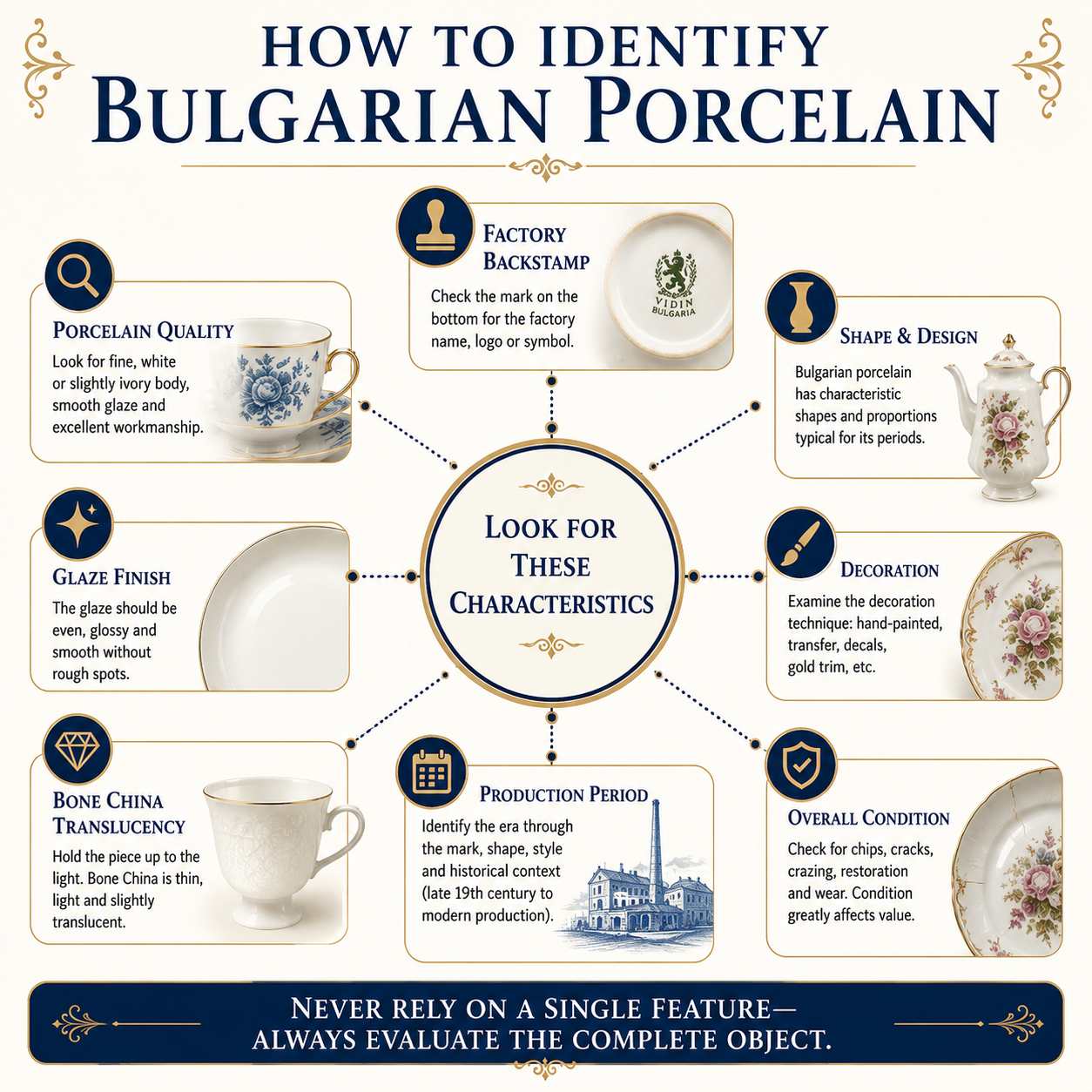
Correctly identifying Bulgarian porcelain requires more than simply reading the factory mark on the base. While backstamps are extremely important, experienced collectors also examine the porcelain body, glaze, decoration, shape, production quality and overall condition before determining the origin of a piece.
Some Bulgarian porcelain carries clear factory marks, while other pieces may have worn, incomplete or even missing marks. For this reason, identification should always consider the object as a whole rather than relying on a single characteristic.
Step 1 – Examine the Factory Mark
The factory backstamp is usually the best starting point. Most Bulgarian porcelain manufacturers applied identifying marks to the underside of plates, cups, vases, figurines and serving pieces.
Depending on the production period, a mark may include:
- Factory name
- Company logo
- City of production
- “Made in Bulgaria”
- “Bone China”
- “Fine Bone China”
- Decoration numbers
- Shape numbers
- Quality control marks
However, factory marks evolved over time. The same manufacturer often used several different backstamps during different production periods, making historical knowledge essential for accurate dating.
Bulgarian Porcelain Marks Through the Years
Like most European porcelain manufacturers, Bulgarian factories modified their marks as ownership, production methods and branding changed.
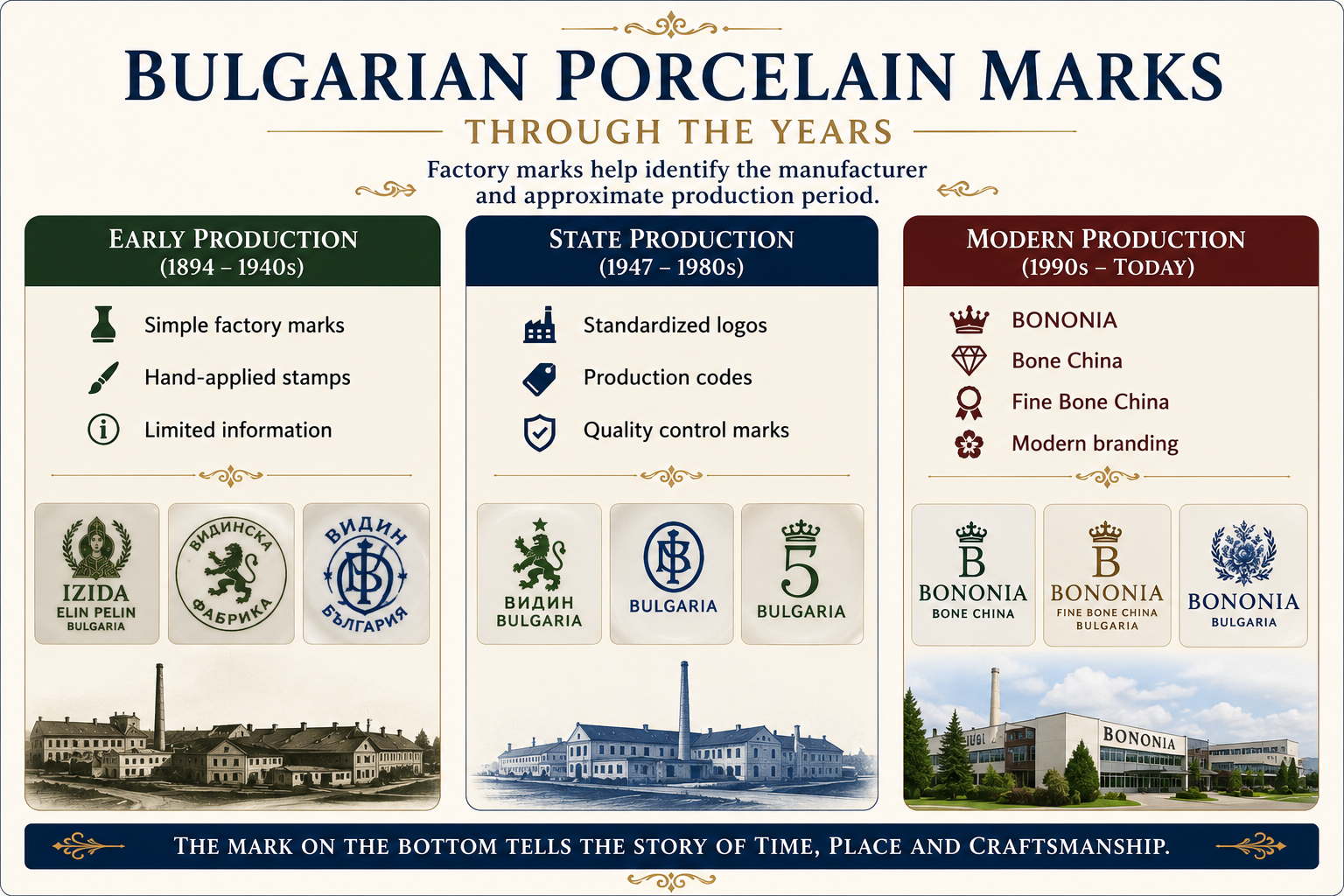
Early production often featured relatively simple factory stamps, while later state-owned production introduced standardized logos and production codes. Modern Bononia Fine Bone China uses contemporary branding that clearly identifies both the manufacturer and the material.
Understanding Factory Marks
Collectors should pay attention to several important details when studying a porcelain mark.
Underglaze Marks
These marks were applied before glazing and firing. Because they lie beneath the transparent glaze, they remain well protected and usually survive decades of use.
Overglaze Marks
These were applied after firing and may show greater wear over time, especially on frequently used tableware.
Impressed Marks
Some manufacturers pressed factory information directly into the porcelain body before firing. These impressed marks can sometimes be difficult to notice without angled lighting.
Handwritten Numbers
Many pieces also include handwritten decoration numbers, painter’s initials or production codes. These markings can provide useful manufacturing information but should not be confused with the official factory backstamp.
Timeline of Bulgarian Factory Marks
Understanding how Bulgarian porcelain marks changed over time greatly improves identification accuracy.
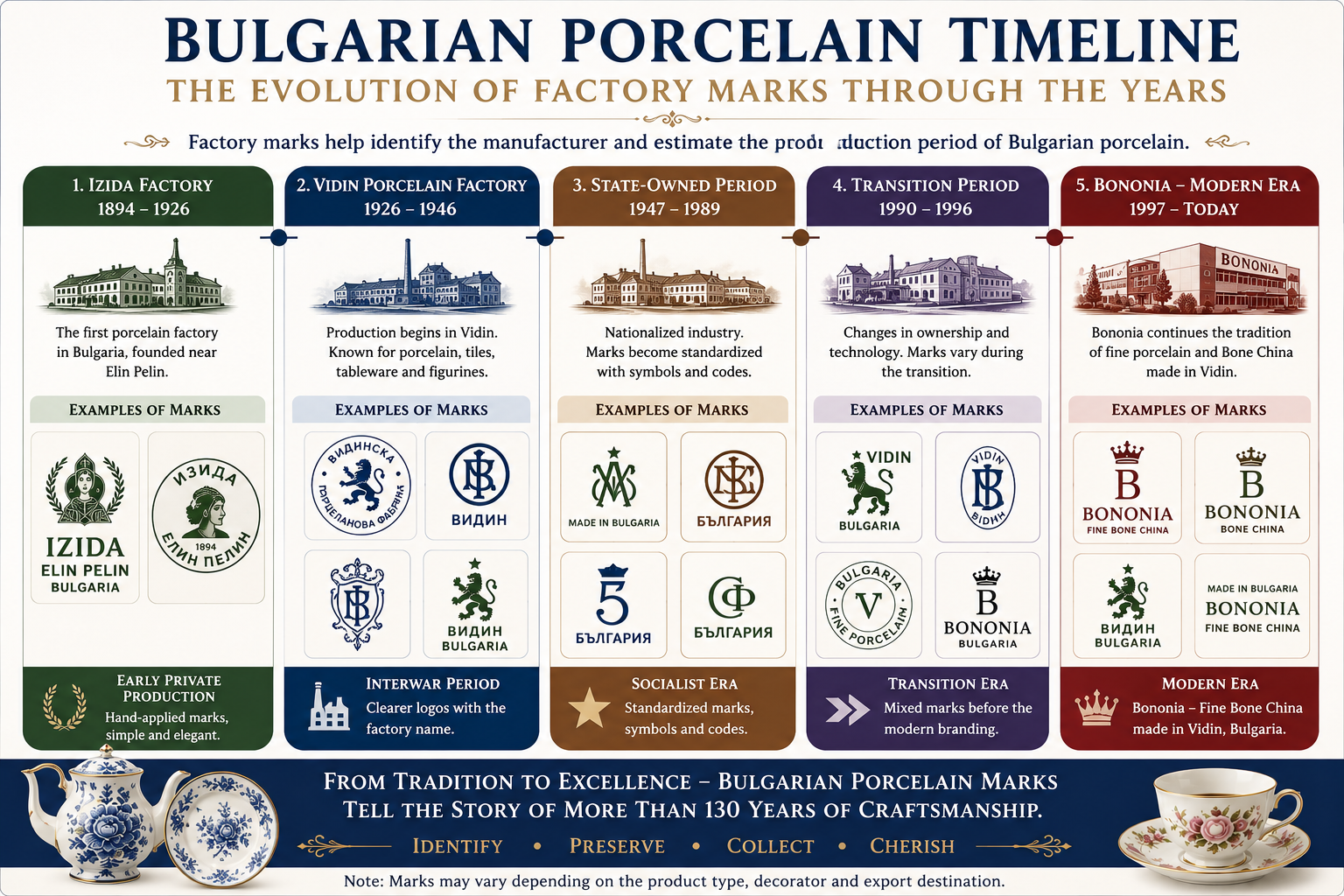
As factories modernized, their logos became increasingly standardized. Changes in typography, symbols, production codes and export markings often allow specialists to estimate the approximate manufacturing period even when exact dating is impossible.
Step 2 – Examine the Porcelain Body
Bulgarian porcelain generally displays a fine, dense porcelain body with a smooth glazed surface. Higher-quality examples have a bright white appearance and a refined finish.
Bone China pieces are particularly distinctive because they combine exceptional whiteness with remarkable translucency.
Collectors should examine:
- Body colour
- Wall thickness
- Surface smoothness
- Weight
- Translucency
- Manufacturing quality
Step 3 – Study the Decoration
Decoration often provides valuable clues regarding both manufacturer and production period.
Common decorative styles include:
- Hand-painted floral motifs
- Gold borders
- Geometric patterns
- Transfer printing
- Traditional European ornamentation
- Modern minimalist decoration
Hand-painted decoration usually shows slight variations that distinguish it from transfer-printed designs.
Step 4 – Evaluate the Shape
Factory designers frequently developed distinctive forms for tea services, coffee sets, plates, bowls and decorative objects.
Collectors often compare:
- Cup handles
- Plate rims
- Lid shapes
- Finials
- Foot rings
- Overall proportions
Matching these characteristics with factory catalogues can significantly improve identification.
Step 5 – Assess the Overall Condition
Condition plays an important role in both identification and valuation.
Carefully inspect for:
- Hairline cracks
- Chips
- Professional restoration
- Gold wear
- Glaze crazing
- Staining
- Repairs
Minor age-related wear is common on older porcelain, but extensive damage can substantially reduce collector value.
Can Bulgarian Porcelain Be Unmarked?
Yes. Not every genuine Bulgarian porcelain object carries a visible factory mark. Some marks were lightly applied, while others have worn away after decades of use.
When no mark is present, specialists rely on the object’s materials, manufacturing quality, shape, decoration and comparison with documented examples.
Common Identification Mistakes
Beginning collectors frequently make several common mistakes:
- Assuming every white porcelain object is Bulgarian.
- Relying only on internet image comparisons.
- Ignoring production quality.
- Confusing decoration numbers with factory marks.
- Mistaking retailer labels for manufacturer marks.
- Dating porcelain solely by appearance.
Professional identification always combines multiple observations before reaching a conclusion.
Preparing Bulgarian Porcelain for Identification
If you would like an expert opinion, photograph the object carefully before requesting identification.
Useful photographs include:
- Front view
- Side view
- Complete underside
- Close-up of the factory mark
- Decoration details
- Any damage or repairs
- All components of a complete service
Providing dimensions, approximate age, family history and known provenance can also help specialists identify the piece more accurately.
In the next section we will examine what determines the value of Bulgarian porcelain, how collectors evaluate rarity, and which pieces are currently the most desirable on the international antiques market.
What Determines the Value of Bulgarian Porcelain?
Not every piece of Bulgarian porcelain has the same value. While some items were produced in large quantities for everyday household use, others were manufactured in limited numbers, hand decorated or produced during important periods in Bulgaria’s porcelain history.
Collectors and professional appraisers evaluate several factors before estimating the market value of Bulgarian porcelain. Understanding these factors can help owners recognize whether a piece is simply decorative or potentially an important collectible.
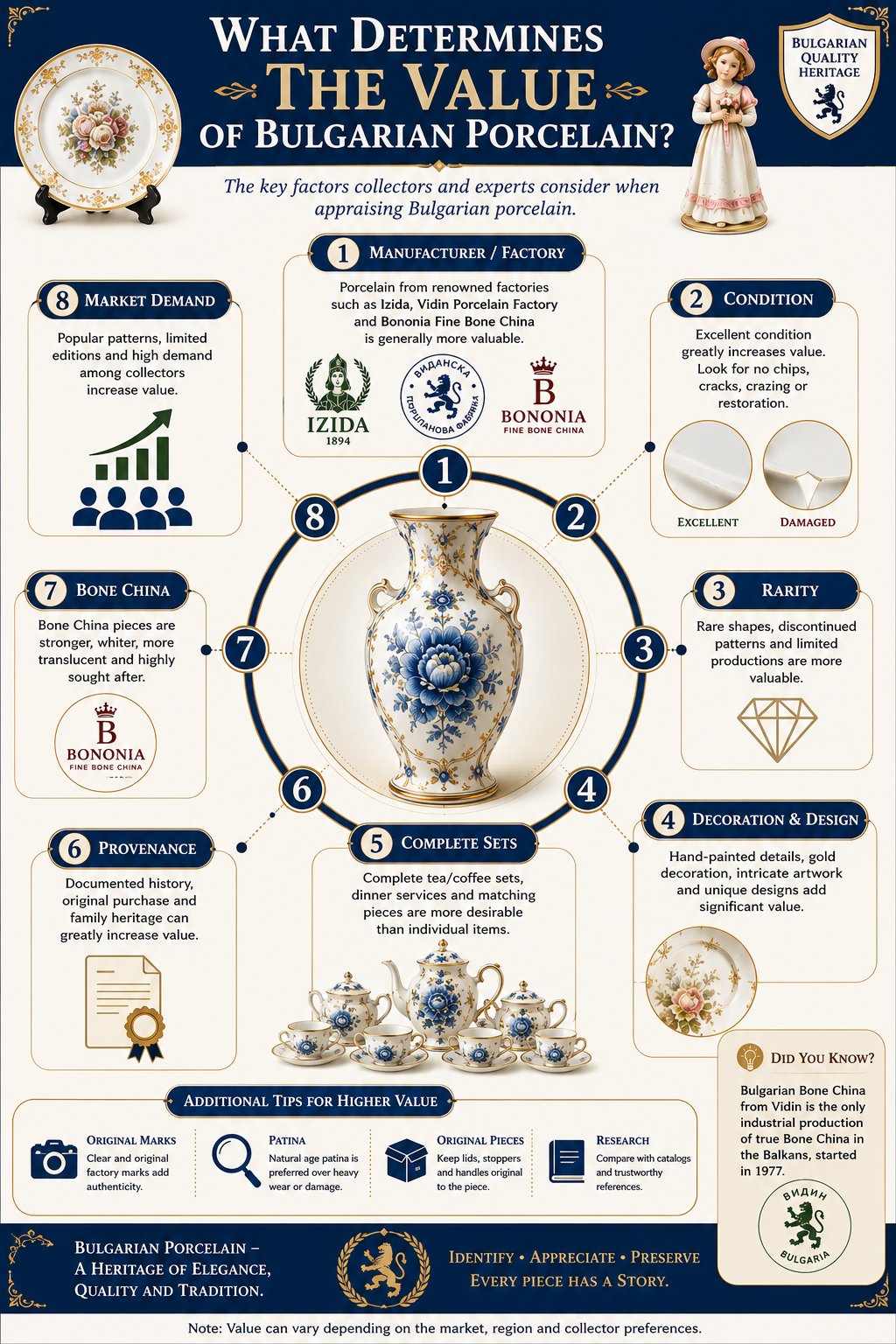
1. Manufacturer
The factory that produced the porcelain is usually the first factor considered by collectors.
Pieces from well-known manufacturers such as the Vidin Porcelain Factory, Bononia Fine Bone China and early Izida production generally attract greater interest than unidentified examples.
Collectors especially appreciate objects from historically important production periods and factories that manufactured relatively limited quantities.
2. Age
Age alone does not determine value, but it often influences rarity.
Earlier Bulgarian porcelain, particularly pieces dating from the first half of the twentieth century, is generally more difficult to find than later mass-produced examples.
However, younger Bone China collections or limited editions may also command strong prices because of their quality and scarcity.
3. Rarity
Some Bulgarian porcelain patterns were produced for only a short period, while others remained in production for decades.
Collectors usually pay higher prices for:
- limited production pieces;
- rare factory marks;
- experimental designs;
- special commissions;
- export collections;
- early production examples.
4. Condition
Condition has a major impact on value.
Professional appraisers carefully inspect porcelain for:
- chips;
- hairline cracks;
- repairs;
- restoration;
- crazing;
- gold wear;
- stains;
- missing parts.
Even small chips can significantly reduce the value of otherwise rare porcelain, while pristine examples are always preferred by collectors.
5. Decoration
Hand-painted decoration generally commands higher prices than mass-produced transfer prints, particularly when executed by skilled artists.
Collectors often look for:
- fine floral decoration;
- gold embellishment;
- complex hand painting;
- exceptional colour quality;
- artistic originality.
6. Complete Sets
Complete tea services, coffee sets and dinner services are usually considerably more valuable than individual pieces.
A complete service with its original teapot, sugar bowl, creamer, cups, saucers and serving plates is often worth substantially more than the combined value of separate components.
7. Bone China Production
Bulgarian Bone China occupies a special place within the country’s porcelain industry.
Because genuine Bone China production required advanced technology and was manufactured in relatively limited quantities, these pieces often attract stronger collector demand than standard porcelain.
8. Provenance
Documented provenance can increase both historical importance and market value.
Collectors value porcelain accompanied by:
- original purchase receipts;
- factory boxes;
- catalogues;
- family documentation;
- historical photographs;
- written ownership records.
9. Current Market Demand
Like every collectible category, Bulgarian porcelain is influenced by changing collector interests.
Certain decorative styles, factory marks or complete services may become increasingly desirable as international awareness grows. Limited supply combined with rising demand often leads to higher market values over time.
Value Assessment Checklist
| Factor | Importance |
|---|---|
| Manufacturer | ★★★★★ |
| Condition | ★★★★★ |
| Rarity | ★★★★★ |
| Factory Mark | ★★★★★ |
| Age | ★★★★☆ |
| Decoration | ★★★★☆ |
| Bone China | ★★★★☆ |
| Provenance | ★★★★☆ |
| Complete Set | ★★★★☆ |
| Current Demand | ★★★★☆ |
Is Bulgarian Porcelain a Good Collectible?
Many experts believe Bulgarian porcelain remains one of Europe’s undervalued collecting fields. Compared with famous manufacturers such as Meissen, Limoges or Royal Copenhagen, prices are still relatively accessible, while historical interest continues to increase.
Collectors who focus on quality, rarity and documented factory marks may find excellent opportunities as international recognition of Bulgarian porcelain continues to grow.
Frequently Asked Questions
Is Bulgarian porcelain valuable?
Some pieces are highly collectible, particularly early production, rare factory marks, complete services and genuine Bone China examples.
Which Bulgarian porcelain factory is the most famous?
The Vidin Porcelain Factory is generally considered Bulgaria’s best-known porcelain manufacturer and remains closely associated with the country’s Bone China tradition.
How can I identify Bulgarian porcelain?
Examine the factory mark, porcelain body, decoration, manufacturing quality, shape and overall condition. Comparing these characteristics with documented factory examples provides the most reliable identification.
Can damaged Bulgarian porcelain still have value?
Yes. Rare or historically important pieces may remain desirable even with minor damage, although condition has a significant influence on market value.
Final Thoughts
Bulgarian porcelain represents more than a century of craftsmanship, innovation and industrial history. From the pioneering Izida Factory and the celebrated Vidin Porcelain Factory to today’s Bononia Fine Bone China, Bulgaria has established a unique place within European porcelain production.
As international collectors continue discovering this overlooked tradition, Bulgarian porcelain is gaining the recognition it deserves. Whether you collect elegant tea services, decorative vases, Bone China or rare factory-marked pieces, understanding their history and identifying characteristics is the key to appreciating their true value.
Related Guides
- What Is Porcelain?
- Porcelain vs. Faience vs. Ceramic
- What Are Porcelain Marks?
- How Is Antique Porcelain Valued?
- How to Store Antique Porcelain
- How to Restore Porcelain
Need Help Identifying Bulgarian Porcelain?
If you own Bulgarian porcelain and would like a professional opinion regarding its authenticity, age or collectible value, our specialists can help evaluate factory marks, production periods and historical significance.
Contact The Old Antiquarian for a professional antique porcelain assessment.
