
What Is Noritake Porcelain? The Complete Guide to History, Marks, Identification, Patterns and Value
Noritake porcelain is one of the world’s most respected names in fine Japanese porcelain. For more than 120 years, Noritake has produced elegant dinnerware, tea sets, decorative vases, collector plates, Fine Bone China and luxury giftware admired by collectors across Europe, North America and Asia.
Known for its exceptional craftsmanship, hand-painted decoration, brilliant glazing and famous factory backstamps, Noritake porcelain occupies a unique place between traditional Japanese artistry and Western elegance. Early Old Noritake pieces, especially those produced during the Nippon era, are among the most collectible examples of twentieth-century Japanese porcelain.
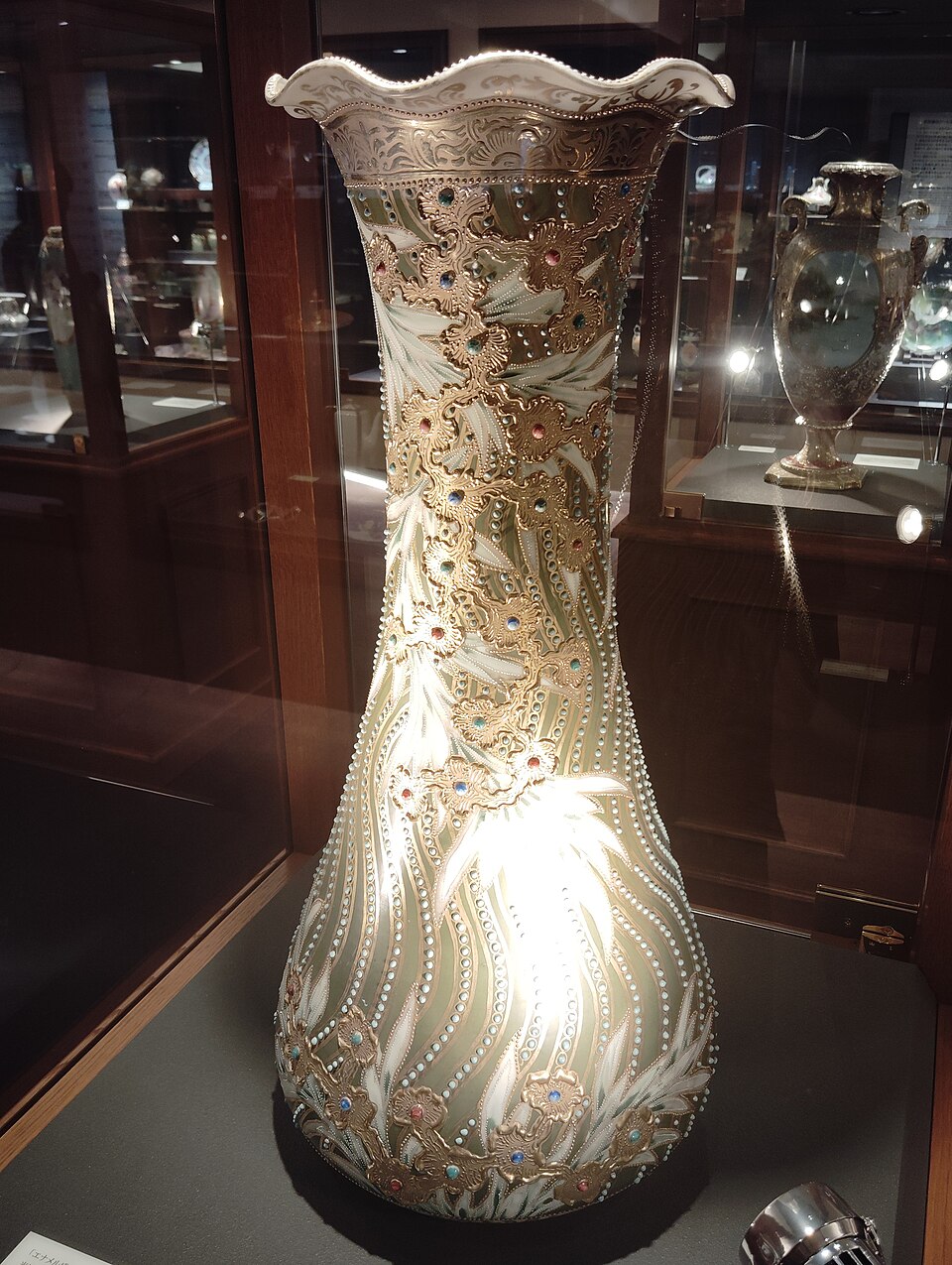
Whether you have inherited a beautiful Noritake tea service, discovered an old vase in an antique shop or simply wish to learn more about this famous manufacturer, understanding its history, factory marks and production techniques can help you identify authentic pieces and estimate their collector value.
If you are new to antique ceramics, it is also helpful to first understand what porcelain is and why it differs from other ceramic materials. Likewise, learning about porcelain marks and backstamps makes identifying Noritake considerably easier.
The History of Noritake Porcelain
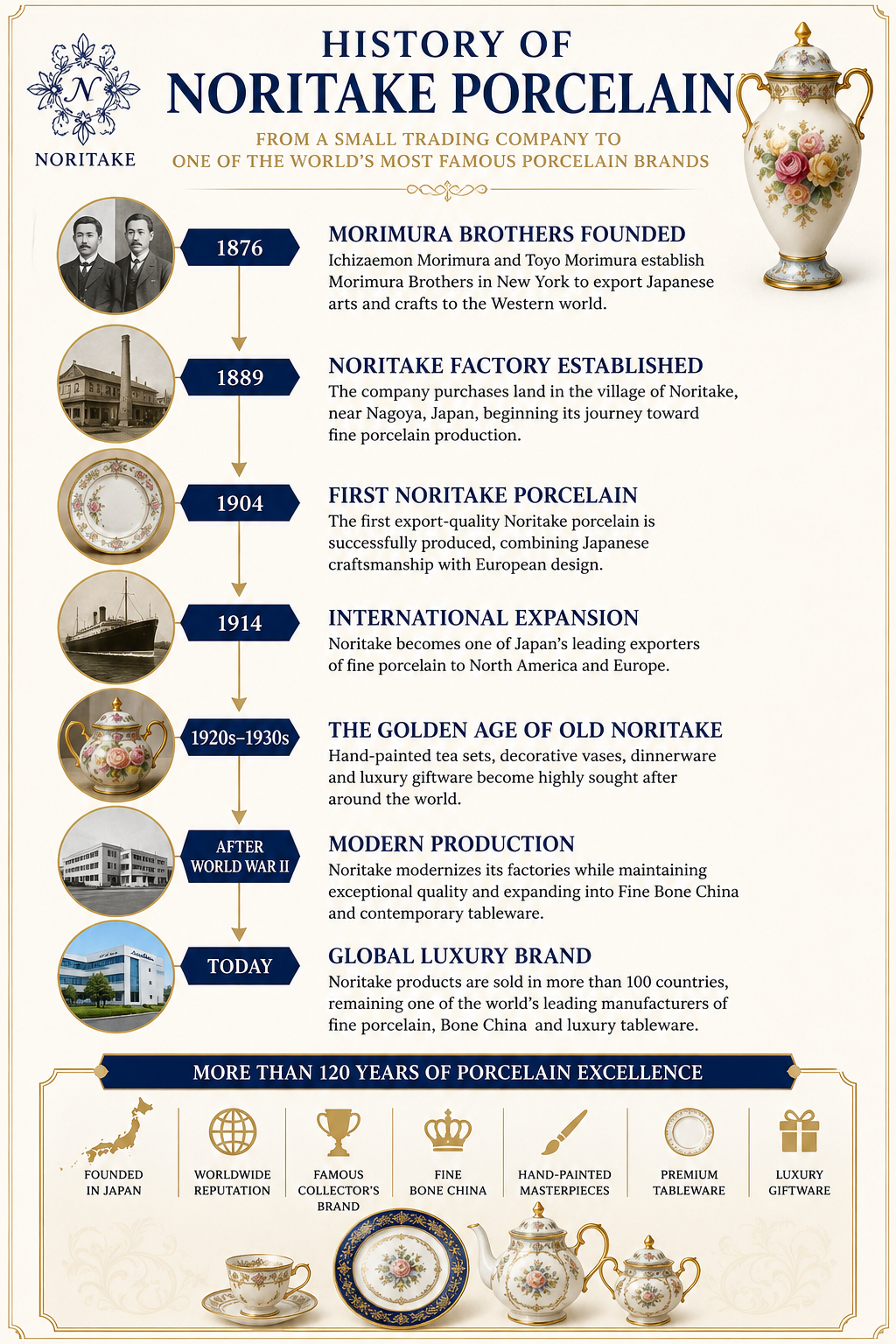
The story of Noritake begins long before the first porcelain plate was ever produced. In 1876, brothers Ichizaemon Morimura and Toyo Morimura founded Morimura Brothers in New York with the goal of introducing Japanese decorative arts to Western markets. At a time when Japanese craftsmanship fascinated Europe and America, the company quickly became an important exporter of fine ceramics, lacquerware and artistic objects.
Recognizing the growing international demand for luxury porcelain, the Morimura family decided to establish their own manufacturing facilities in Japan. In 1889, land was purchased in the village of Noritake, near Nagoya, where a modern porcelain factory would eventually be built. This location later gave the company the name that collectors around the world recognize today.
Creating fine porcelain equal to Europe’s leading manufacturers was far from easy. For many years, Japanese craftsmen experimented with clay compositions, firing temperatures, glazing techniques and decorative methods before achieving consistent export-quality porcelain. Their efforts finally paid off in 1904, when the first authentic Noritake porcelain pieces successfully entered international markets.
These early creations combined the precision of Japanese craftsmanship with decorative styles inspired by European luxury porcelain. Rich gold ornamentation, hand-painted floral scenes, landscapes and elegant raised enamel decoration quickly distinguished Noritake from competing manufacturers.
The Rise of Old Noritake
Collectors often refer to the earliest production simply as Old Noritake. This term generally describes porcelain produced from the late nineteenth century through the first half of the twentieth century, particularly pieces bearing the famous Nippon backstamps and early Morimura marks.
Old Noritake became especially popular in the United States, where beautifully decorated tea sets, cabinet plates, vases and decorative urns were imported in large numbers. Unlike mass-produced ceramics, many of these objects featured meticulous hand painting, delicate brushwork and extensive gold decoration, making every piece slightly unique.
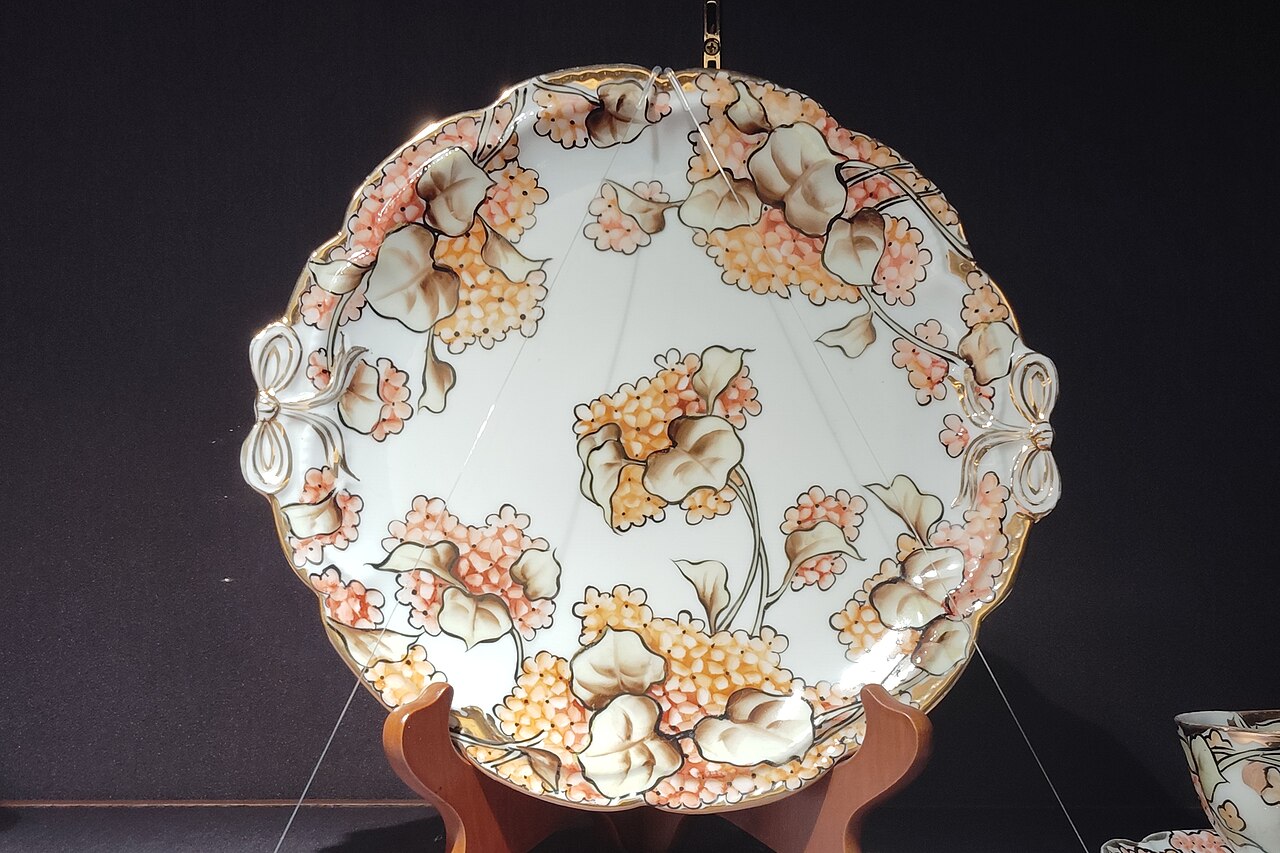
During the 1920s and 1930s, Noritake reached what many experts consider its golden age. The company introduced hundreds of patterns, expanded production facilities and became one of Japan’s largest exporters of fine porcelain. Today, porcelain from this period remains highly desirable among collectors because of its artistic quality, historical importance and exceptional craftsmanship.
Collectors interested in comparing Noritake with other important Japanese manufacturers may also enjoy reading our guide to Japanese porcelain, which places Noritake within the broader history of Japan’s porcelain tradition.
From Japan to the World
Following the Second World War, Noritake modernized its factories while preserving the high standards that had built its international reputation. The company expanded into Fine Bone China, contemporary tableware, hotel porcelain and luxury giftware, combining advanced manufacturing technology with traditional artistic techniques.
Today, Noritake products are sold in more than one hundred countries. While many people know the company for elegant dinner services, collectors continue to search for early Old Noritake hand-painted porcelain, rare decorative pieces and limited production patterns that have become increasingly difficult to find.
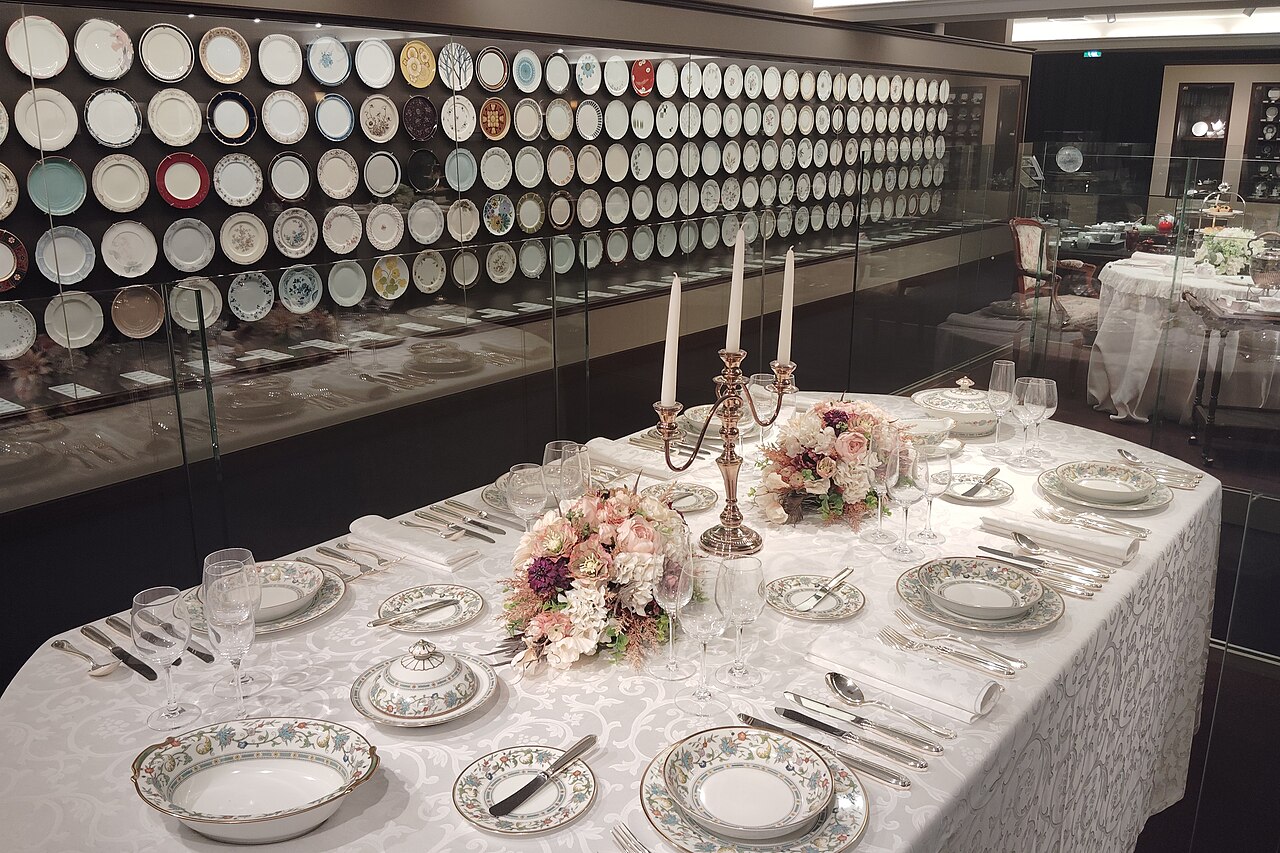
Visitors to the Noritake Museum and the historic Noritake Garden in Nagoya can explore the company’s remarkable history, observe traditional porcelain production techniques and view many of the masterpieces that helped establish Noritake as one of the world’s most respected porcelain manufacturers.
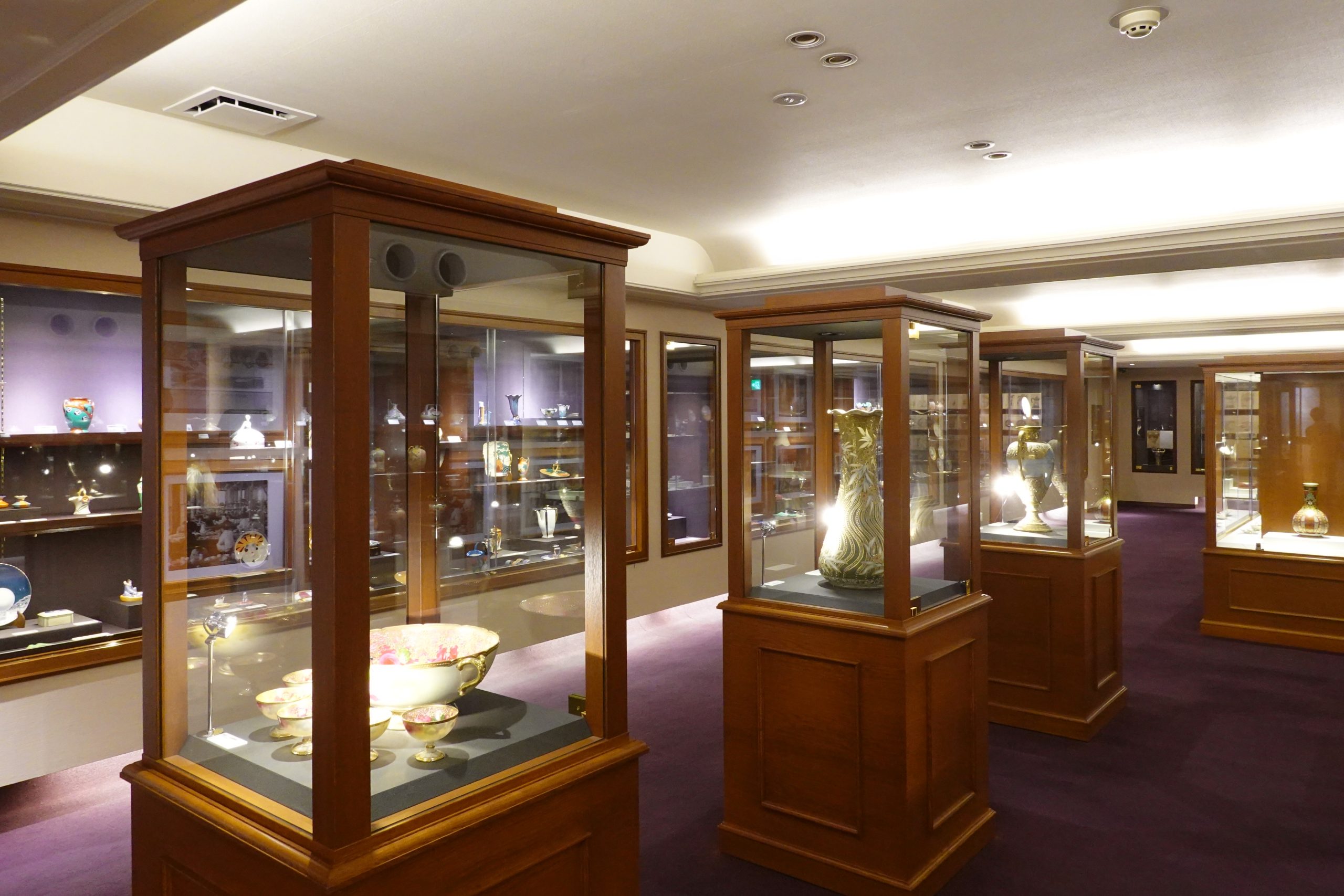
Understanding this rich history provides the foundation for identifying authentic Noritake porcelain. In the next section, we’ll explore how Noritake porcelain is made, why its Fine Bone China is internationally respected, and what production techniques distinguish genuine Noritake pieces from ordinary ceramics.
How Is Noritake Porcelain Made?
The reputation of Noritake porcelain is built not only on beautiful decoration but also on exceptional manufacturing quality. From carefully selected raw materials to multiple firings and meticulous hand finishing, every production stage is designed to create porcelain that combines strength, elegance and lasting beauty.
Unlike ordinary ceramics, authentic Noritake porcelain is valued for its smooth body, brilliant glaze, precise shapes and remarkable consistency. Many of the techniques developed during the company’s early years continue to influence production today, even though modern technology has significantly improved efficiency and quality control.
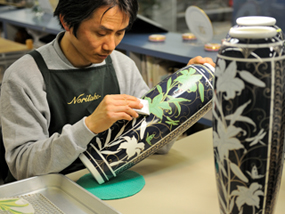
Carefully Selected Raw Materials
Every Noritake piece begins with carefully refined porcelain clay made from high-quality natural minerals. Kaolin, feldspar and quartz are blended in precise proportions to create a porcelain body capable of producing exceptional whiteness, strength and translucency after firing.
The exact composition varies depending on the product line. Traditional hard-paste porcelain, Fine Bone China and hotel-grade porcelain each require slightly different formulas to achieve their intended appearance and durability.
Understanding these materials also helps explain the differences discussed in our guide to porcelain, faience and ceramics, where firing temperatures and clay composition play a major role.
Fine Bone China Excellence
One of Noritake’s greatest achievements has been the production of world-class Fine Bone China. This premium porcelain contains bone ash, giving it several distinctive characteristics appreciated by collectors and luxury hotels worldwide.
- Exceptional translucency
- Brilliant white appearance
- Fine yet durable body
- Smooth silky glaze
- Elegant lightweight feel
- Excellent resistance to everyday use
Although Bone China appears delicate, it is remarkably durable when properly manufactured. Noritake’s advanced production methods allow thin, elegant pieces to remain surprisingly strong without sacrificing beauty.
Precision Manufacturing
After the porcelain body has been prepared, liquid clay is cast or pressed into carefully engineered moulds. Each piece is inspected repeatedly throughout production to ensure consistent proportions, smooth surfaces and accurate dimensions.
Following initial shaping, the porcelain undergoes several firing stages at extremely high temperatures. These firings permanently transform the clay into dense vitrified porcelain while creating the strength and translucency for which Noritake is famous.
Hand-Painted Decoration
While many modern Noritake collections employ advanced decorating technologies, the company’s reputation was built upon extraordinary hand-painted artistry. Early Old Noritake pieces frequently feature landscapes, floral bouquets, birds, geometric borders and raised gold decoration executed entirely by skilled artists.
Collectors often admire the subtle variations between individual examples because genuine hand painting naturally produces slight differences that machine decoration cannot perfectly reproduce.
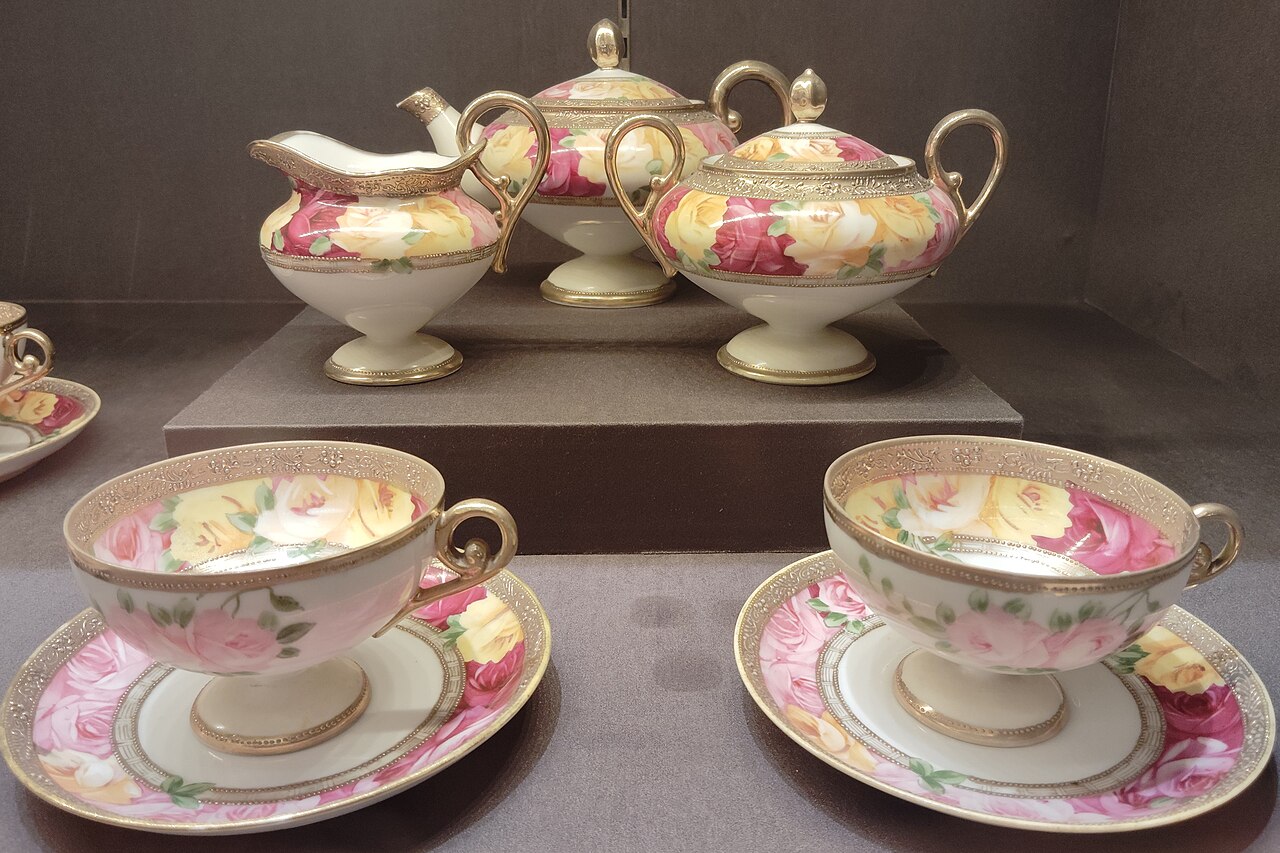
Raised gold decoration—sometimes called moriage—became one of the defining characteristics of many early export pieces. This intricate technique required multiple decorating stages and additional firings, resulting in richly textured surfaces that remain highly collectible today.
If you are learning to distinguish authentic hand-painted decoration from later reproductions, our guide on identifying fine porcelain manufacturers demonstrates how painting quality often reveals the level of craftsmanship behind a piece.
Multiple Firings for Lasting Quality
Unlike inexpensive ceramics that may be fired only once or twice, premium Noritake porcelain often undergoes several carefully controlled firings. Separate firings are commonly used for the porcelain body, glazing, decorative enamels and precious metal finishes.
Each firing permanently bonds the decoration to the porcelain surface while increasing durability and preserving color brilliance for decades or even centuries.
Quality Control
Every stage of production includes rigorous inspection. Pieces with imperfections in shape, glazing or decoration are removed before reaching customers. This uncompromising approach has helped Noritake establish one of the strongest reputations for consistency in the global porcelain industry.
Collectors examining antique Noritake should therefore expect crisp painting, balanced proportions, smooth glazing and precise finishing. Obvious manufacturing defects are uncommon on authentic factory pieces and may indicate later reproductions, heavy restoration or lower-quality copies.
Noritake Today
Modern Noritake combines more than a century of traditional craftsmanship with contemporary manufacturing technology. The company continues producing Fine Bone China, luxury dinnerware, hospitality porcelain and collectible limited editions while preserving many of the artistic standards established during the Old Noritake period.
Understanding how Noritake porcelain is manufactured makes it much easier to recognize authentic examples. In the next section, we’ll examine the company’s famous factory marks, backstamps and dating systems that allow collectors to determine when a piece was produced and estimate its rarity.
Noritake Marks and Backstamps
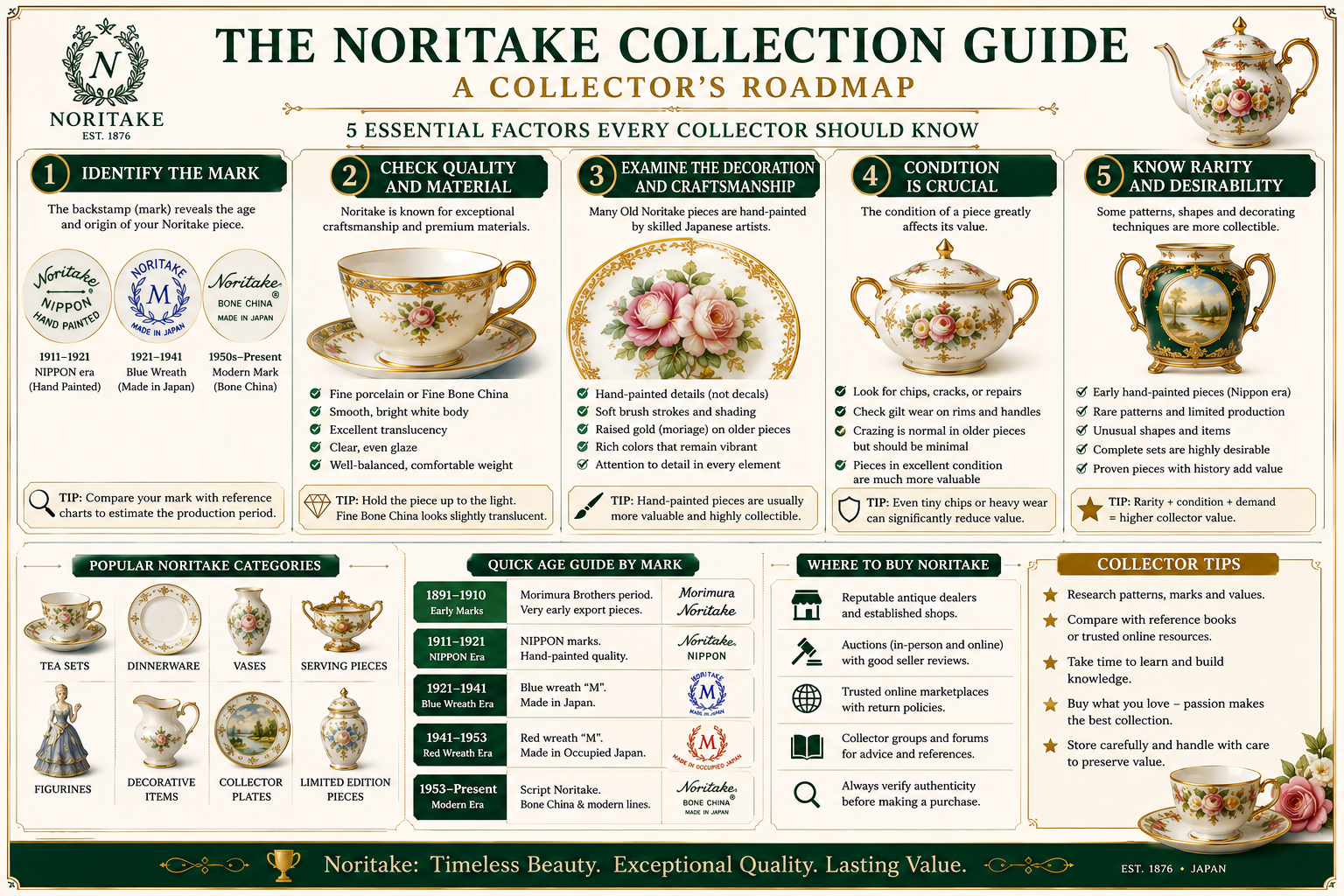
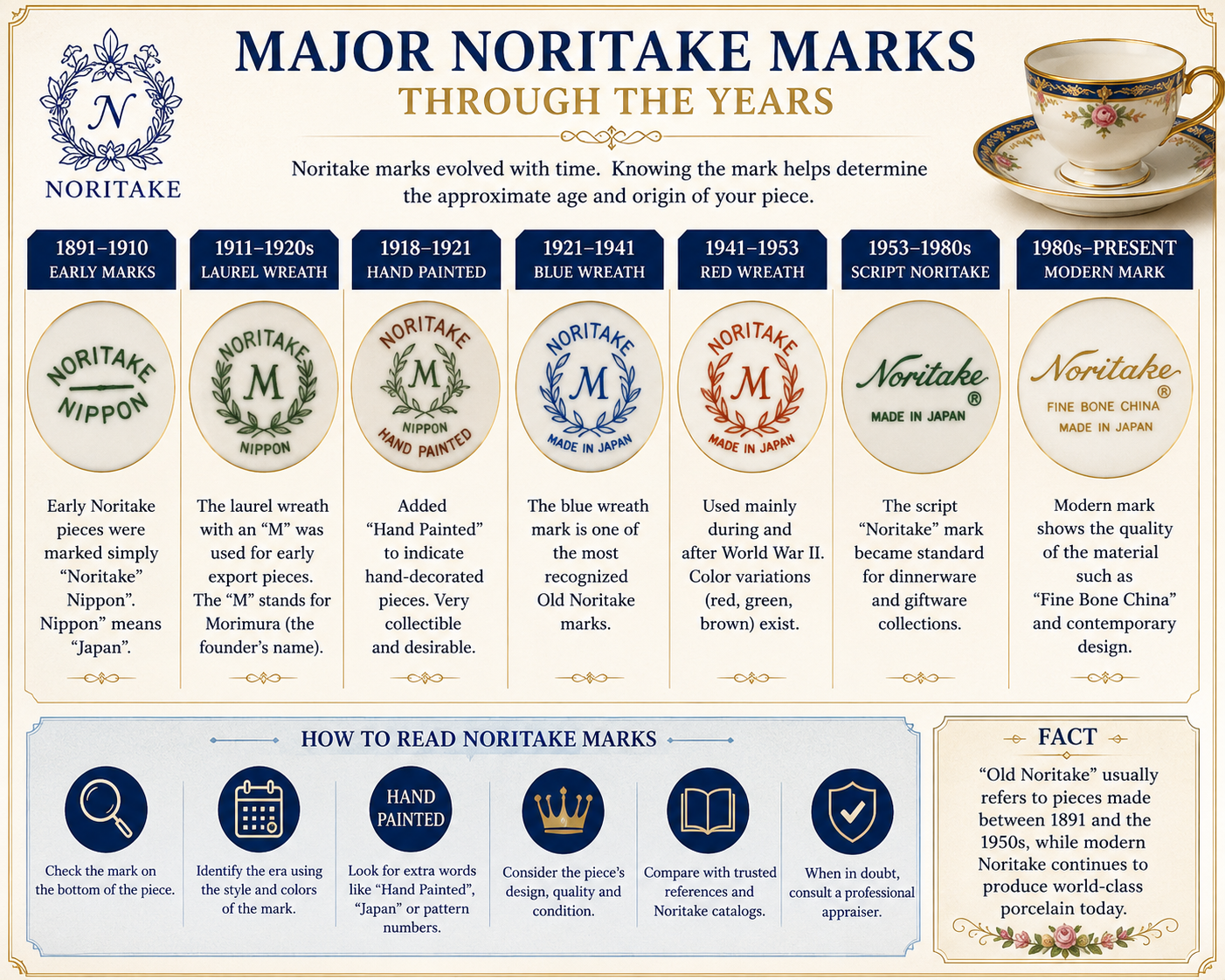
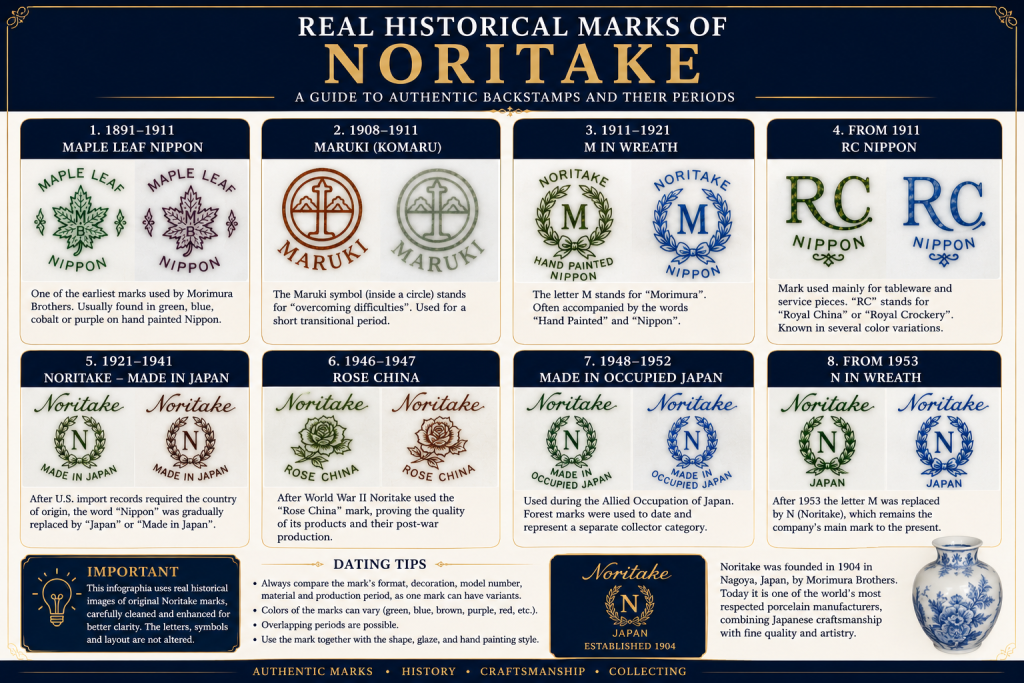
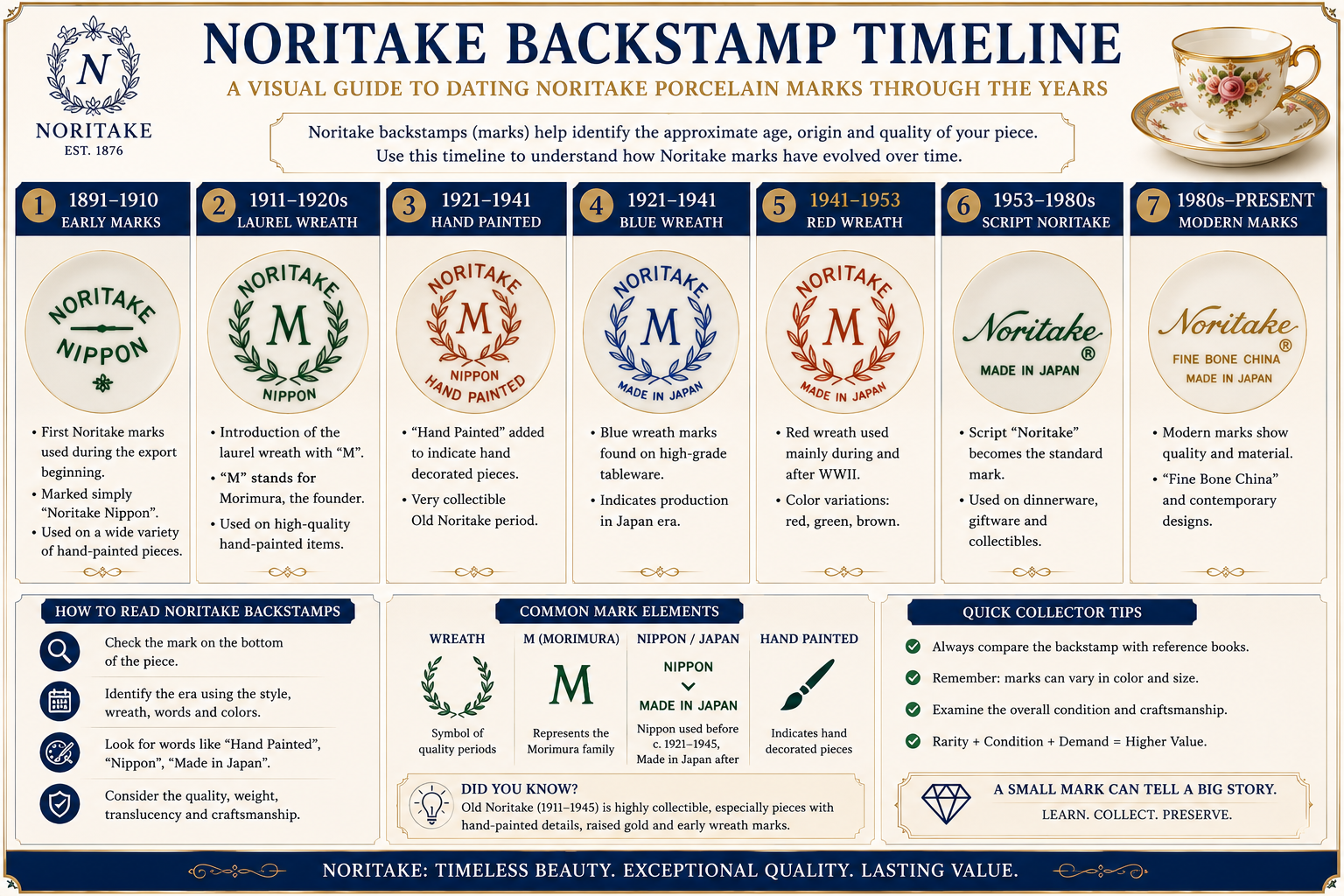
One of the most reliable ways to identify authentic Noritake porcelain is by examining the factory mark found on the base of the piece. These marks—often called backstamps or maker’s marks—changed numerous times throughout the company’s history and can provide valuable clues about a piece’s age, production period and intended export market.
Although collectors often focus on decorative patterns, experienced appraisers usually begin with the backstamp. When combined with the quality of the porcelain, decoration, shape and condition, factory marks help determine authenticity and collector value.
If you are unfamiliar with porcelain identification, our guide to porcelain marks and backstamps explains the fundamentals before examining Noritake-specific examples.
Why Are Noritake Marks Important?
Unlike many decorative motifs that remained popular for decades, factory marks evolved continuously as Noritake expanded internationally. Small changes in wording, symbols, wreaths, crowns or logos often indicate different production periods.
A genuine backstamp may reveal:
- Approximate production date
- Export destination
- Manufacturing period
- Factory origin
- Whether the piece belongs to the Old Noritake era
- Whether the porcelain is Fine Bone China or hard-paste porcelain
Collectors rarely rely on a single characteristic. Instead, they compare the mark with decoration, body quality and historical production records before drawing conclusions.
The Nippon Period (1891–1921)
Among collectors, perhaps the most famous Noritake marks are those bearing the word Nippon. During this period, United States import regulations required Japanese exports to be marked with the English name of the country. At that time, Japan was commonly identified internationally as Nippon.
Many highly collectible Old Noritake pieces therefore feature marks incorporating the word Nippon, often surrounded by decorative wreaths, geometric borders or artistic symbols.
These early examples are particularly desirable because they represent the company’s formative years, when much of the decoration was still entirely hand painted.
The Laurel Wreath and Maple Leaf Marks
Some of the earliest Noritake exports display elegant wreath designs surrounding the company name or country designation. Laurel wreaths, maple leaf motifs and other decorative elements became instantly recognizable symbols of early Japanese export porcelain.
Collectors frequently encounter these marks on cabinet plates, tea sets, decorative bowls and ornamental vases produced before the First World War.
Because many reproductions attempt to imitate these historic backstamps, careful comparison with documented originals is always recommended.
The Famous “M in Wreath” Mark
Perhaps the best-known Noritake backstamp is the famous “M in Wreath” mark. The letter M represents the Morimura family, while the surrounding wreath symbolizes quality and prestige.
Used on numerous export pieces throughout the early twentieth century, this mark has become one of the strongest visual identifiers of authentic Old Noritake porcelain.
Collectors often associate the “M in Wreath” with beautifully decorated hand-painted tea services, vases, chocolate pots and ornamental porcelain produced during the company’s golden age.
Occupied Japan Marks
Following the Second World War, porcelain exported from Japan between approximately 1947 and 1952 was often marked “Made in Occupied Japan.” These backstamps represent an important historical period rather than a separate manufacturer.
Although not every Occupied Japan piece commands high prices, well-preserved Noritake examples remain popular among collectors because they document an important chapter in twentieth-century history.
Modern Noritake Marks
As the company entered the second half of the twentieth century, Noritake gradually adopted cleaner and more modern logos. Contemporary marks frequently include the company name together with references such as:
- Noritake
- Fine Bone China
- Japan
- Ivory China
- Stoneware
- Pattern numbers
Unlike early export marks, modern backstamps are generally easier to interpret because production records are well documented and many pattern databases are available to collectors.
How to Read a Noritake Backstamp
When examining the underside of a Noritake piece, begin by identifying the main company logo. Next, look for country names, registration information, pattern numbers and additional wording that may indicate the production period.
Pattern numbers are particularly useful because they allow collectors to match individual pieces with complete dinner services or discontinued collections.
Many experienced collectors also compare the backstamp with known examples published in specialized reference books before assigning a production date.
Learning to recognize authentic factory marks becomes much easier after studying the broader history of Japanese porcelain, since many manufacturers used similar export conventions during different historical periods.
Can You Date Noritake by the Mark Alone?
Not always. While the backstamp provides valuable evidence, professional identification also considers the porcelain body, decorative style, painting quality, glazing, shape and overall craftsmanship.
For example, two pieces may carry similar marks but belong to different decades because certain factory logos remained in use for many years. Conversely, decorative styles sometimes changed more rapidly than the marks themselves.
For this reason, experienced antique specialists evaluate the entire object rather than relying exclusively on the backstamp.
In the next section, we’ll look beyond the factory mark and explore how collectors identify authentic Noritake porcelain by examining craftsmanship, decoration, hand painting, glaze quality and construction details.
How to Identify Authentic Noritake Porcelain
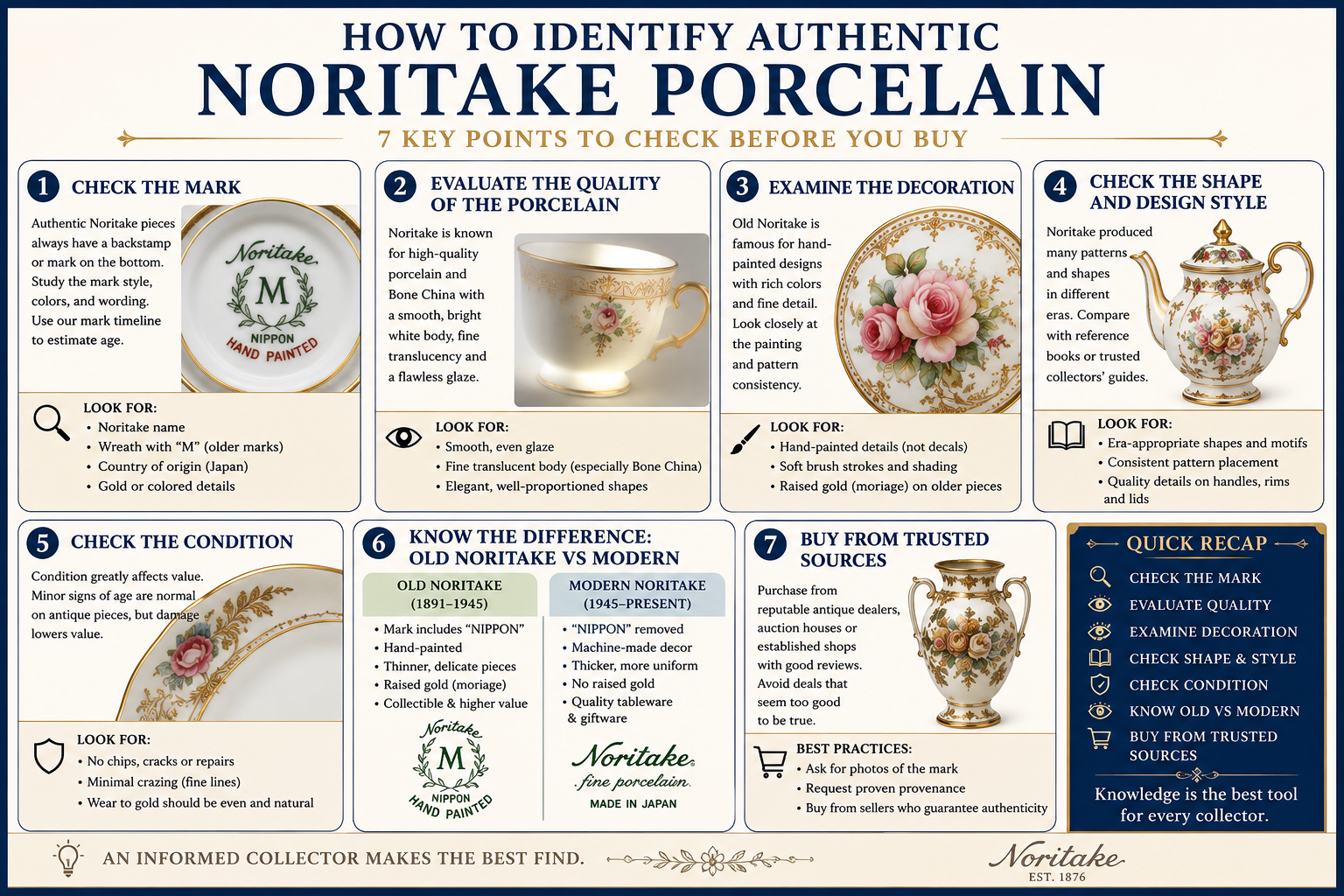
Identifying authentic Noritake porcelain involves much more than checking the factory mark. While the backstamp provides valuable information, experienced collectors and professional appraisers examine the entire object—from the quality of the porcelain and decoration to the glaze, craftsmanship and natural signs of age.
Because Noritake has produced porcelain for more than 120 years, no single characteristic guarantees authenticity. Instead, specialists evaluate several factors together before determining whether a piece is genuine and estimating its collector value.
1. Examine the Factory Mark
Always begin by turning the porcelain over and carefully examining the backstamp. Authentic Noritake pieces usually display a clear factory mark that corresponds with the production period, decoration style and porcelain body.
Look for:
- Clean, well-defined printing
- Consistent lettering
- Correct company logo
- Country designation
- Pattern numbers when applicable
A blurred, poorly printed or obviously incorrect backstamp should always be investigated further rather than accepted at face value.
2. Evaluate the Porcelain Quality
One of Noritake’s defining characteristics is the exceptional quality of its porcelain. Authentic pieces typically have a refined, smooth surface with an even white body beneath the glaze.
Premium Noritake porcelain feels elegant without appearing fragile. The glaze should be glossy, uniform and free from rough patches, bubbles or excessive imperfections.
Many Fine Bone China collections also display remarkable translucency when carefully held against a strong light source.
Understanding these characteristics becomes easier after learning the differences explained in our guide to porcelain, faience and ceramics.
3. Study the Decoration
Decoration is often one of the easiest ways to distinguish genuine Noritake from lower-quality reproductions. Early Old Noritake porcelain is particularly admired for its intricate hand-painted artwork featuring floral bouquets, landscapes, birds, geometric borders and luxurious gold ornamentation.
When examining decoration, pay attention to:
- Fine brushwork
- Balanced composition
- Rich color transitions
- Crisp outlines
- Even application of gold decoration
Hand-painted porcelain often contains tiny variations that demonstrate genuine craftsmanship. Perfectly identical decoration across multiple pieces may indicate transfer printing or later mass production rather than individual hand painting.
4. Inspect the Shape and Construction
Authentic Noritake porcelain is known for its precise manufacturing standards. Handles, lids, spouts and decorative elements should appear symmetrical and carefully proportioned.
The overall shape should feel balanced, while lids generally fit securely without excessive movement. Decorative relief work should be sharp and well defined rather than soft or uneven.
5. Look for Natural Age and Wear
Collectors often appreciate authentic signs of age because they support a piece’s originality. Older Noritake porcelain may display gentle wear on the base where it has rested on tables or cabinets for decades.
Common signs of genuine age include:
- Light wear on the foot rim
- Minor rubbing of gold decoration
- Fine surface scratches from normal use
- Natural glaze ageing
Heavy artificial distressing, inconsistent scratches or deliberately aged surfaces should be viewed with caution.
6. Compare the Pattern
Noritake has produced thousands of different patterns throughout its history. Fortunately, many are well documented, making comparison relatively straightforward.
Collectors frequently identify pieces by comparing decorative motifs, border designs, color combinations and pattern numbers with official catalogues and historical references.
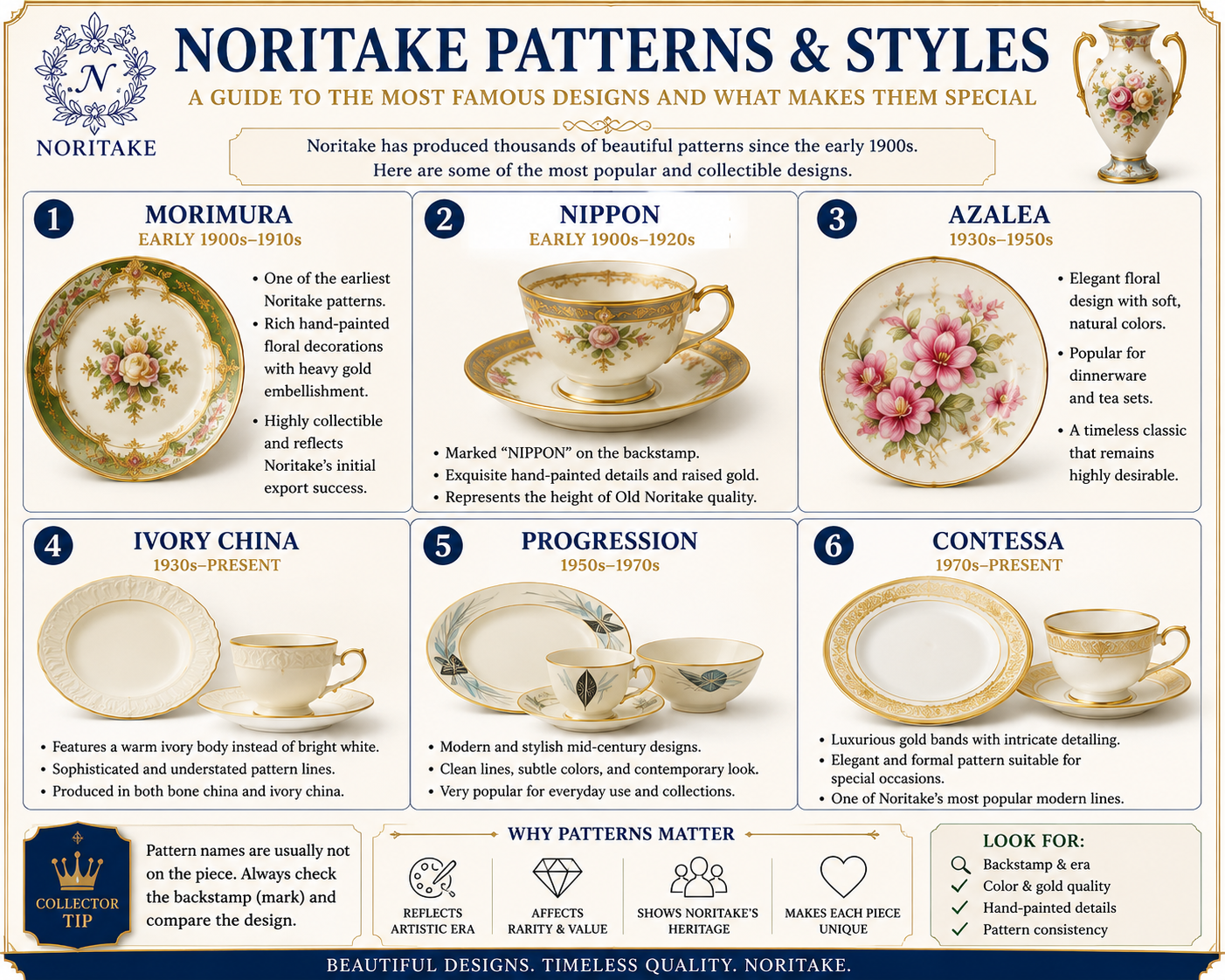
Some patterns remained in production for decades, while others were manufactured only briefly and are considerably rarer today.
7. Consider the Overall Condition
Condition has a significant influence on both authenticity assessment and collector value.
Inspect carefully for:
- Hairline cracks
- Professional restoration
- Small chips
- Glaze repairs
- Repainted decoration
- Missing handles or lids
Even rare Noritake pieces may lose considerable value if restoration has been poorly executed or major damage is present.
Our guide to porcelain restoration explains how repairs influence collectibility and long-term preservation.
Common Mistakes Beginners Make
New collectors sometimes assume that every old Noritake piece is extremely valuable. In reality, value depends on rarity, condition, demand, decoration quality and historical significance.
Other common mistakes include:
- Judging authenticity only by the backstamp
- Ignoring professional restorations
- Confusing transfer decoration with hand painting
- Overlooking small chips hidden beneath the foot rim
- Cleaning porcelain too aggressively before inspection
Professional Authentication
When purchasing expensive Noritake porcelain or evaluating inherited collections, obtaining a professional opinion is often worthwhile. Experienced specialists compare factory marks, porcelain body, decoration techniques, production history and market demand before providing an informed assessment.
Learning these identification methods also makes it easier to recognize quality in other famous manufacturers such as Wedgwood, Japanese porcelain and other important European porcelain factories.
In the final section, we’ll explore the most famous Noritake patterns, what determines collector value, which pieces are considered the rarest, and how to build a valuable Noritake collection.
Famous Noritake Patterns and Styles
Throughout its long history, Noritake has created thousands of porcelain patterns, making it one of the most diverse porcelain manufacturers in the world. From luxurious hand-painted Old Noritake masterpieces to elegant Fine Bone China dinnerware, every generation introduced new artistic styles that reflected changing tastes while maintaining the company’s reputation for exceptional quality.
Some patterns were produced for only a few years and have become highly collectible today, while others remained in production for decades and are still admired by collectors and families worldwide.
Early Old Noritake Patterns
Collectors often consider the earliest Old Noritake decorations to be the company’s artistic peak. These pieces were largely intended for export markets in Europe and North America and combined Japanese craftsmanship with Western decorative styles.
Popular early decorations include:
- Hand-painted floral bouquets
- Landscape scenes
- Pastoral villages
- Lake and mountain views
- Raised gold moriage decoration
- Art Nouveau influences
- Art Deco geometric designs
Because many of these objects were decorated individually by skilled artists, no two examples are completely identical—a characteristic highly appreciated by collectors.
Tea Sets and Dining Services
Among the most desirable Noritake collectibles are complete tea services and dinner sets. Matching sets are considerably more valuable than individual pieces because many have become separated over decades of everyday use.
Collectors particularly seek complete sets containing:
- Teapot
- Creamer
- Sugar bowl
- Cups and saucers
- Dessert plates
- Serving platters
- Covered vegetable dishes
Finding an entire service in excellent condition is becoming increasingly difficult, making complete examples especially attractive to collectors.
What Makes Some Noritake Pieces Rare?
Not every old Noritake item is rare. Collector demand depends on a combination of historical significance, artistic quality and scarcity.
Generally, the rarest pieces include:
- Early Nippon-era production
- Limited export patterns
- Highly detailed hand-painted decoration
- Heavy gold moriage work
- Large decorative vases
- Complete tea or dinner services
- Documented exhibition pieces
Objects that combine several of these characteristics often achieve the highest prices at international auctions.
What Determines the Value of Noritake Porcelain?
Professional appraisers evaluate numerous factors before estimating market value. Age alone is rarely sufficient.
The most important considerations include:
- Authenticity
- Factory mark
- Production period
- Pattern rarity
- Condition
- Presence of restoration
- Completeness of the set
- Current collector demand
- Historical significance
Collectors frequently discover that a beautifully preserved complete tea service is worth considerably more than several individual pieces with damage or missing components.
If you would like to understand the professional appraisal process in greater detail, our guide on how antique porcelain is valued explains the criteria used by specialists.
How to Start Collecting Noritake
Noritake remains one of the most accessible fields of porcelain collecting because examples exist across a wide range of prices. Beginners can start with attractive twentieth-century dinnerware before gradually expanding into earlier Old Noritake decorative porcelain.
Experienced collectors usually recommend:
- Learning to recognize authentic backstamps
- Buying the best condition you can afford
- Researching individual patterns before purchasing
- Keeping complete sets together whenever possible
- Avoiding heavily restored examples
- Maintaining detailed records of each acquisition
Studying other important porcelain manufacturers—including Wedgwood, Meissen and Royal Copenhagen—also helps collectors better understand differences in style, production methods and historical development.
Frequently Asked Questions
Is all Noritake porcelain valuable?
No. While authentic Noritake is respected worldwide, value depends on rarity, age, condition, decoration, demand and completeness. Some pieces are affordable collectibles, while exceptional Old Noritake examples can command significant prices.
What is the most collectible Noritake porcelain?
Collectors generally seek early Old Noritake hand-painted porcelain, Nippon-era production, raised gold moriage decoration, rare decorative vases and complete tea services in outstanding original condition.
How can I identify my Noritake pattern?
Begin by examining the backstamp and any pattern numbers on the base. Then compare the decoration, colors and border design with official Noritake catalogues or specialist reference books.
Can Noritake porcelain be used every day?
Modern Noritake dinnerware is often suitable for regular use, while antique hand-painted pieces should be handled more carefully to preserve delicate decoration and gold accents.
Final Thoughts
For more than a century, Noritake has represented the highest standards of Japanese porcelain craftsmanship. Its remarkable history, elegant hand-painted decoration, innovative manufacturing techniques and continuously evolving factory marks have made it one of the world’s most collected porcelain brands.
Whether you are identifying an inherited tea set, researching a rare Nippon-era vase or building a serious porcelain collection, understanding Noritake’s history, patterns and backstamps provides the foundation for making informed collecting decisions.
With careful research, patience and attention to quality, collecting authentic Noritake porcelain can become both an enjoyable hobby and a rewarding long-term investment.
Continue Exploring
