
Hutschenreuther Porcelain: Marks, Figurines, Dating & Value
Hutschenreuther Porcelain: History, Marks, Figurines, Dating & Value Guide
Last updated: September 3, 2026 | By The Old Antiquarian
Quick Answer
Hutschenreuther is one of Germany’s most important historic porcelain names.
Its story begins in Bavaria in 1814 with Carl Magnus Hutschenreuther in Hohenberg an der Eger. His son Lorenz later founded a separate porcelain factory in Selb in 1857. The two family companies developed independently for more than a century before merging in 1969/70.
Collectors encounter Hutschenreuther tableware, cups and saucers, dinner services, vases, animal figurines, human figures and modern decorative porcelain. Correct identification depends on the exact factory mark, branch or location, model or form number, decoration, porcelain body, condition and documented factory history rather than on the Hutschenreuther name alone.
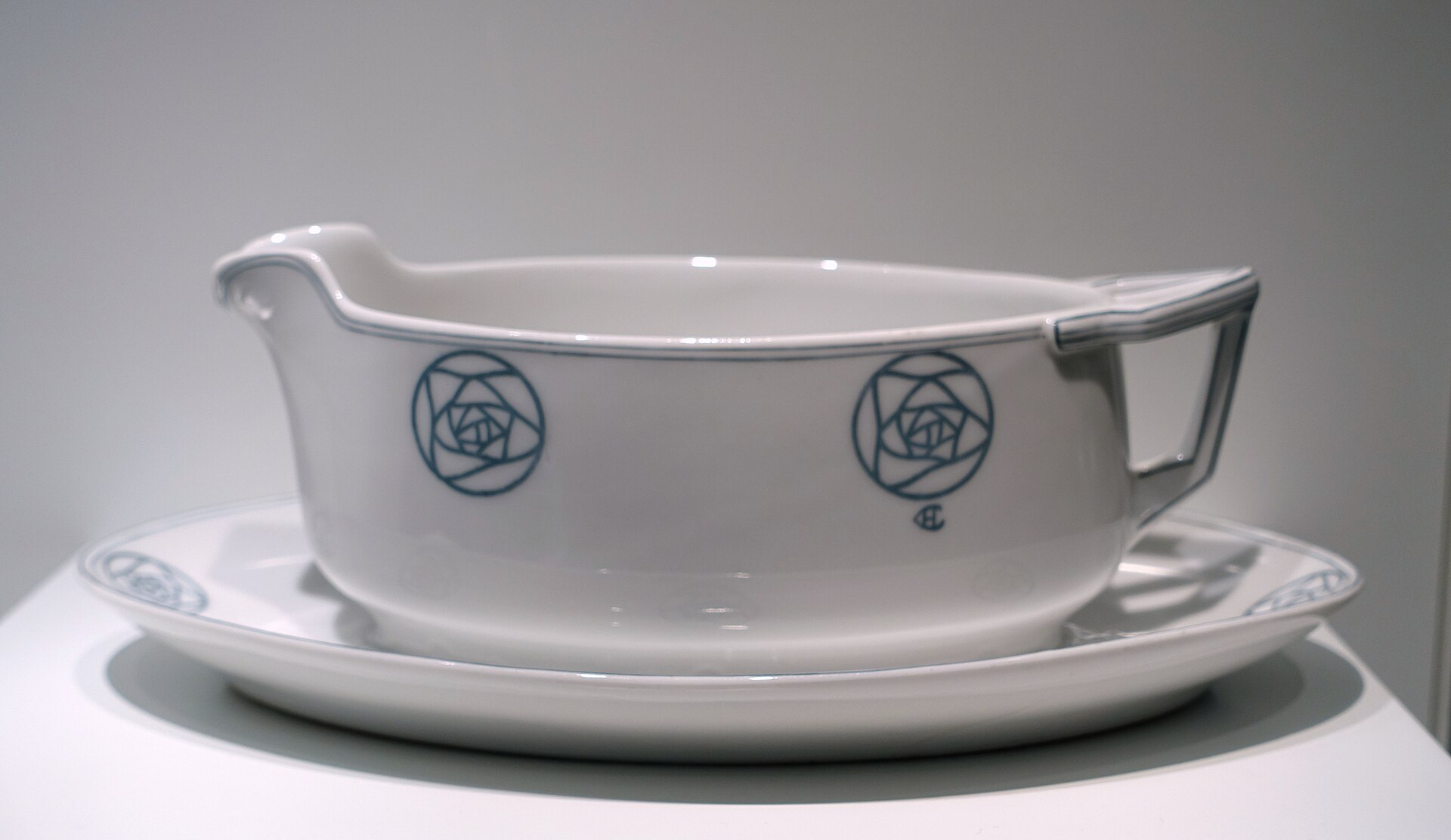
At a Glance
Hutschenreuther Porcelain at a Glance
| Feature | Collector Reference |
|---|---|
| Origin | Bavaria, Germany |
| Historical beginnings | 1814, Hohenberg an der Eger |
| Royal manufacturing approval | 1822 |
| Selb factory | Founded separately by Lorenz Hutschenreuther in 1857 |
| Historic branches | Hohenberg and Selb developed in parallel |
| Paul Müller acquisition | 1917 |
| Art porcelain department | Developed from 1918 |
| Hohenberg / Selb merger | 1969/70 |
| Rosenthal | Hutschenreuther brand acquired by Rosenthal in 2000 |
| Best known for | Tableware, dinner services, cups, figurines, animal models, vases and decorative porcelain |
What Is Hutschenreuther Porcelain?
Hutschenreuther is a historic German porcelain name closely connected with the development of the porcelain industry in northern Bavaria.
Unlike a small studio or short-lived decorating workshop, Hutschenreuther developed into a large manufacturing tradition whose history spans more than two centuries.
Its production ranged from practical household porcelain to sophisticated dinner services, luxury tableware, decorative vessels, sculptural animals, human figures and modern design.
Because Hutschenreuther operated through different factories, branches, acquisitions and corporate periods, collectors should resist the temptation to treat every Hutschenreuther backstamp as equivalent.
THE NAME IDENTIFIES THE TRADITION — THE EXACT MARK IDENTIFIES THE PERIOD.
The branch, location, wording, numbers, form and decoration must all be considered together.
Collectors who are new to German porcelain may also find our
Bavaria Porcelain identification guide
useful for understanding why Bavaria, Selb, Hohenberg and other geographic references matter when reading German porcelain marks.
Historical Background
The History of Hutschenreuther Porcelain
1814 — Carl Magnus Hutschenreuther and Hohenberg
The Hutschenreuther story begins in 1814 with Carl Magnus Hutschenreuther in Hohenberg an der Eger in Bavaria.
His efforts formed part of the rapid nineteenth-century growth of German porcelain production outside the earlier royal manufactories.
The enterprise did not immediately receive full official approval.
After years of persistence, Carl Magnus received permission in 1822 to operate what the company today describes as Bavaria’s first private porcelain manufactory.
1857 — Lorenz Hutschenreuther Establishes a Separate Factory in Selb
One of the most important facts for collectors is that the Selb factory was not simply the Hohenberg factory moved to another town.
Carl Magnus Hutschenreuther’s son, Lorenz Hutschenreuther, established a separate porcelain factory in Selb in 1857.
The Hohenberg and Selb businesses subsequently developed in parallel as independent family companies.
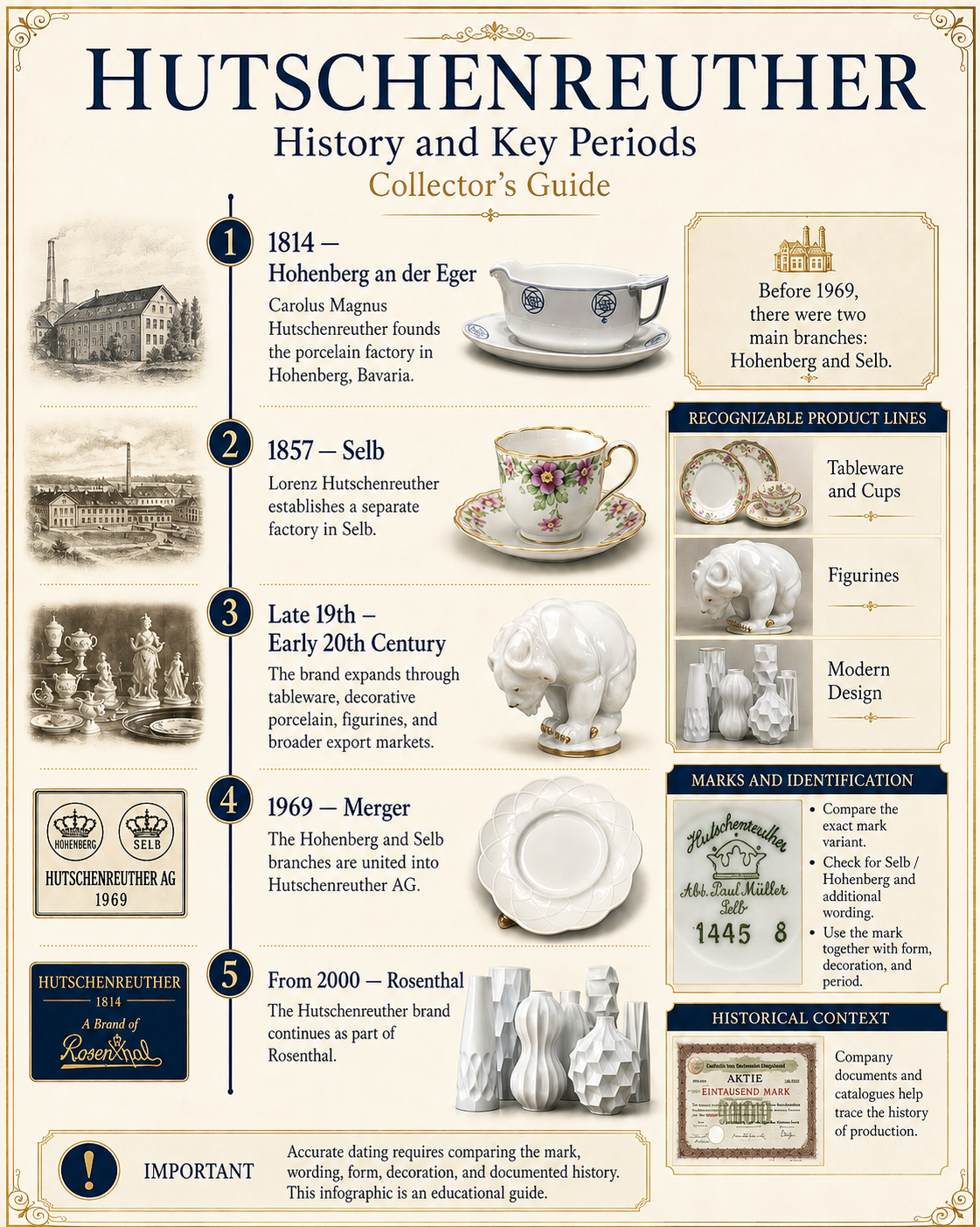
Expansion of Lorenz Hutschenreuther in Selb
Selb became one of Germany’s most important porcelain-producing towns.
Lorenz Hutschenreuther expanded production and gradually built a larger industrial group.
The company acquired other porcelain factories and production facilities during the early twentieth century.
One of the most important for collectors was the Paul Müller porcelain factory in Selb, acquired in 1917.
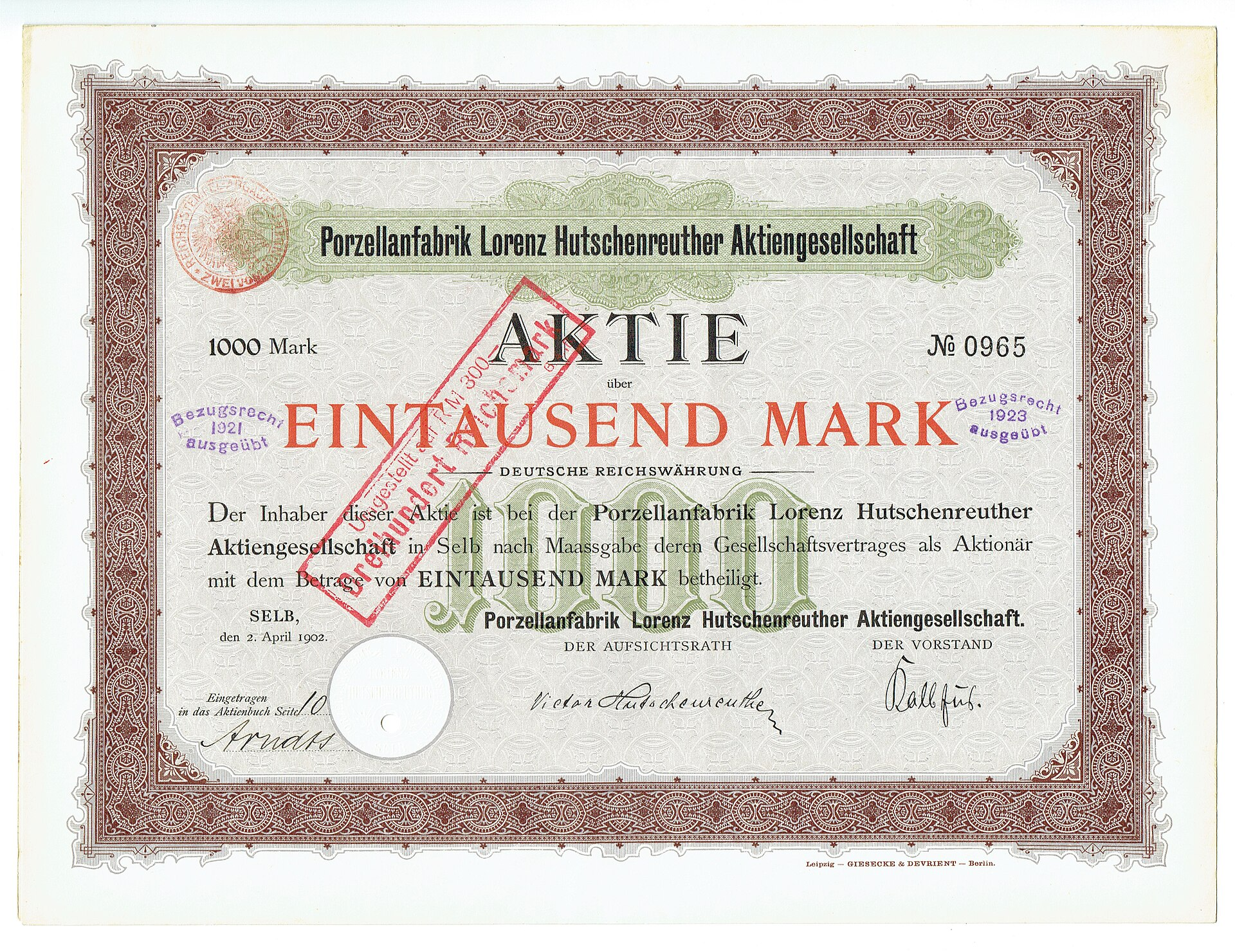
1917–1918 — Paul Müller and the Art Porcelain Department
The acquisition of the Paul Müller factory in 1917 created an especially important chapter in Hutschenreuther history.
The existing artistic traditions of the works formed the basis for the developing Hutschenreuther art porcelain department.
From 1918 the company expanded its production of artistic porcelain, including vases, decorative objects, figures and animal sculptures.
Regional historical research records more than 2,000 designs by over 75 artists associated with this artistic production before the wartime closure of the department in 1945.
1969/70 — The Two Hutschenreuther Branches Merge
After more than a century of parallel development, the historic Hohenberg and Lorenz Hutschenreuther companies were finally brought together in the 1969/70 merger.
For collectors, this is another major historical dividing point because company structures and marks continued to evolve after the merger.
2000 — Hutschenreuther Becomes Part of Rosenthal
In 2000, Rosenthal acquired the Hutschenreuther name.
Today Hutschenreuther remains part of the Rosenthal family of brands and continues to be associated with traditional German table culture, seasonal collections and classic porcelain designs.
Identification
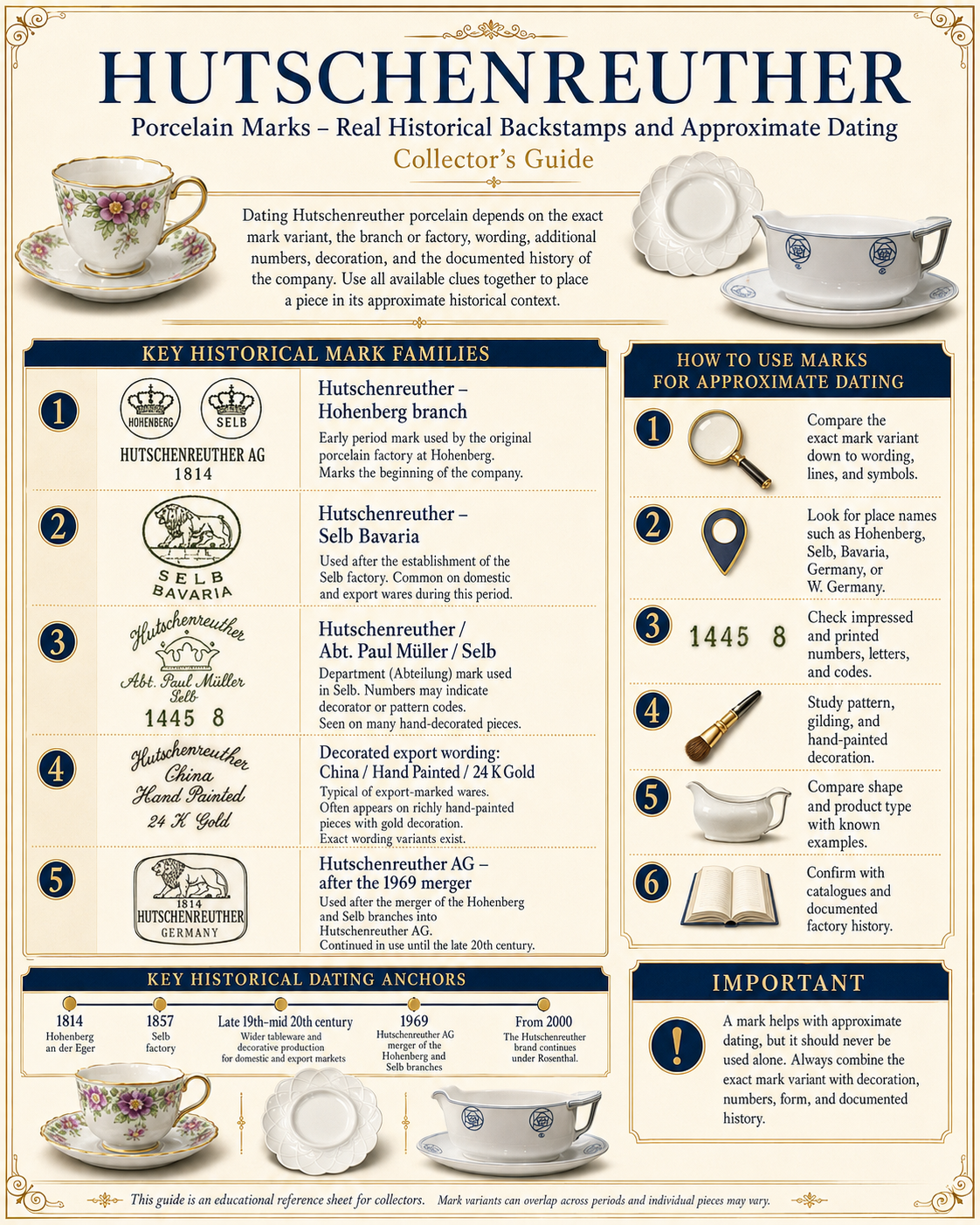
Hutschenreuther Porcelain Marks & Backstamps
Hutschenreuther used numerous factory marks over its long history.
The exact design of the backstamp is therefore much more useful than simply recognising the word Hutschenreuther.
Depending on the period and factory, collectors may encounter references to:
- Hutschenreuther
- C. M. Hutschenreuther
- Lorenz Hutschenreuther
- Hohenberg
- Selb
- Bavaria
- Germany
- Paul Müller
- Abt. Paul Müller
- factory symbols, crowns or lion emblems
- model or form numbers
- decorator numbers
- painted or impressed production marks
A Real Hutschenreuther / Paul Müller Mark
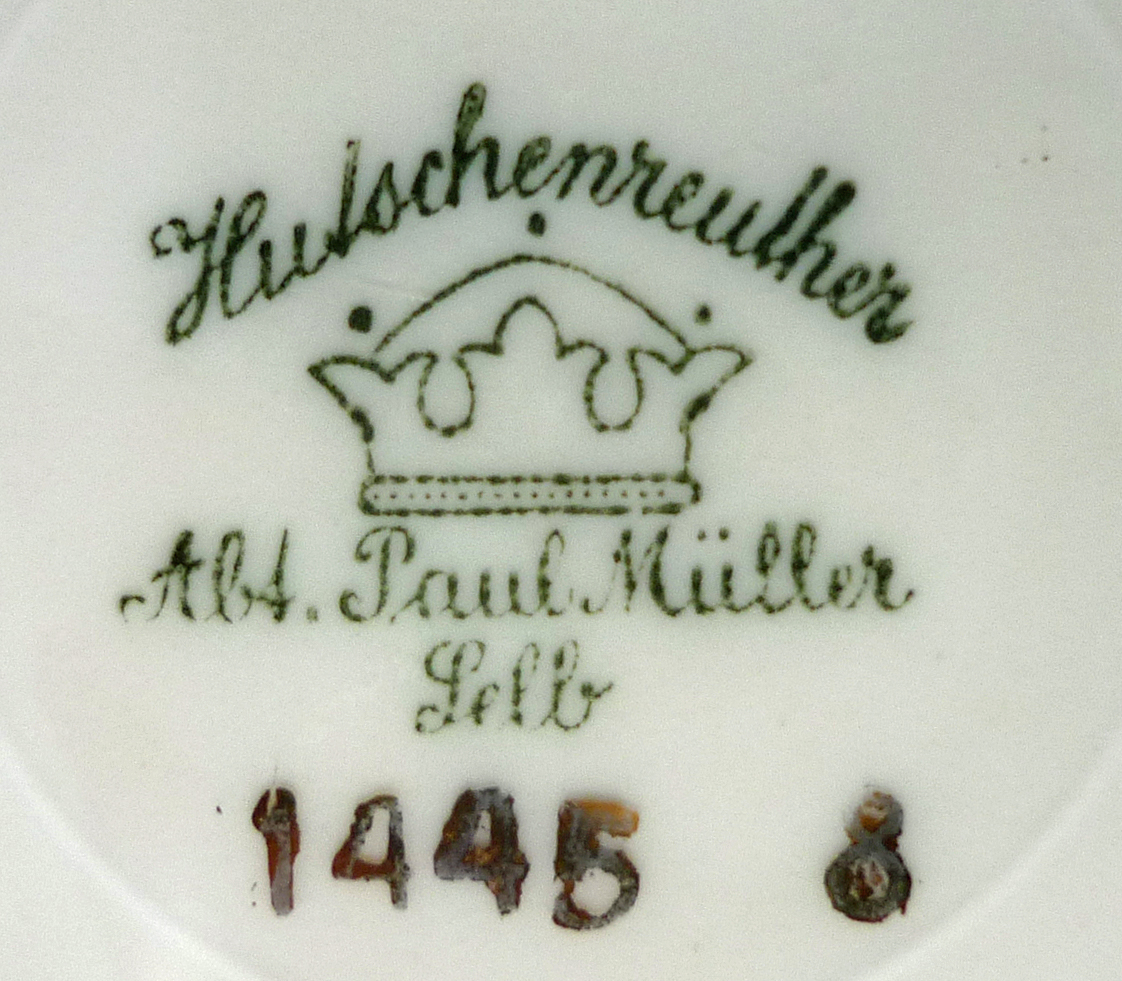
The wording “Abt. Paul Müller Selb” refers to the Paul Müller operation in Selb associated with Lorenz Hutschenreuther after the 1917 acquisition.
The additional painted number visible beneath the mark should not automatically be interpreted as a year.
Depending on the factory system, numbers may relate to form, decoration, painter, series or internal production control.
Factory Mark vs Decorator Mark
Not every inscription beneath a Hutschenreuther object was applied by the porcelain manufacturer itself.
Some blanks were decorated by outside studios.
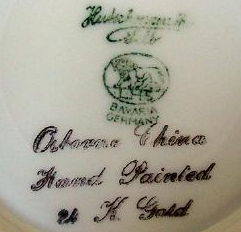
This distinction matters.
The Hutschenreuther mark can identify the porcelain body, while a second inscription may identify the studio responsible for later decoration.
The Golden Rule for Hutschenreuther Marks
Exact mark variant + Hohenberg/Selb branch + wording + model/form numbers + decoration + porcelain body + documented factory history
For a broader explanation of factory symbols, country marks and production numbers, see our
complete porcelain marks and backstamps guide
.
Hutschenreuther in the Context of German Porcelain Marks
Germany developed one of Europe’s richest porcelain traditions.
Comparing Hutschenreuther with other German manufacturers can help collectors recognise the different systems of symbols, factory names and production marks used across the industry.
| Manufacturer | Common Identification Clue | Collector Caution |
|---|---|---|
| Meissen | Crossed swords and associated factory marks | Famous marks have been widely copied; exact variant matters. |
| KPM Berlin | Blue sceptre with additional decoration or painter marks on some wares | The sceptre should be considered with body, decoration and secondary marks. |
| Hutschenreuther | Factory name, Hohenberg or Selb wording, lion/crown and branch-related marks | Branch history is particularly important. |
| Rosenthal | Rosenthal name with changing factory symbols and wording | Many mark variants exist across different periods. |
| Villeroy & Boch | Factory name, monograms, place names and production references | Not every Villeroy & Boch ceramic object is porcelain. |
Collectors studying German marks may also want to compare Hutschenreuther with
KPM Berlin porcelain
and other manufacturers covered in our wider
guide to antique porcelain manufacturers
.
How to Date Hutschenreuther Porcelain
There is no reliable universal rule such as “one crown equals one exact year.”
Hutschenreuther dating should be approached as a process of comparison.
| Step | What to Examine | Why It Matters |
|---|---|---|
| 1 | Exact Hutschenreuther mark variant | Logo, lettering and layout changed over time. |
| 2 | Hohenberg or Selb wording | May identify the historical company branch. |
| 3 | Bavaria / Germany wording | Provides additional historical and export context. |
| 4 | Model, form and decoration numbers | May connect the piece with a documented catalogue entry. |
| 5 | Decoration and gilding | Style and technique should fit the proposed period. |
| 6 | Shape and construction | Forms changed with fashion and production technology. |
| 7 | Documented company history | Factory acquisitions and mergers can explain changes in marks. |
Our separate
guide to dating antique porcelain
explains this evidence-based method in greater detail.
Collecting
Hutschenreuther Figurines & Animal Figures
Hutschenreuther figurines are one of the most interesting collecting areas within the company’s production.
The artistic departments created human figures, animals, birds, horses and decorative sculptural groups alongside the company’s better-known tableware.
The expansion of artistic porcelain after the acquisition of Paul Müller in 1917 was especially important.
The Hutschenreuther art department developed a large catalogue of sculptural designs during the interwar period.
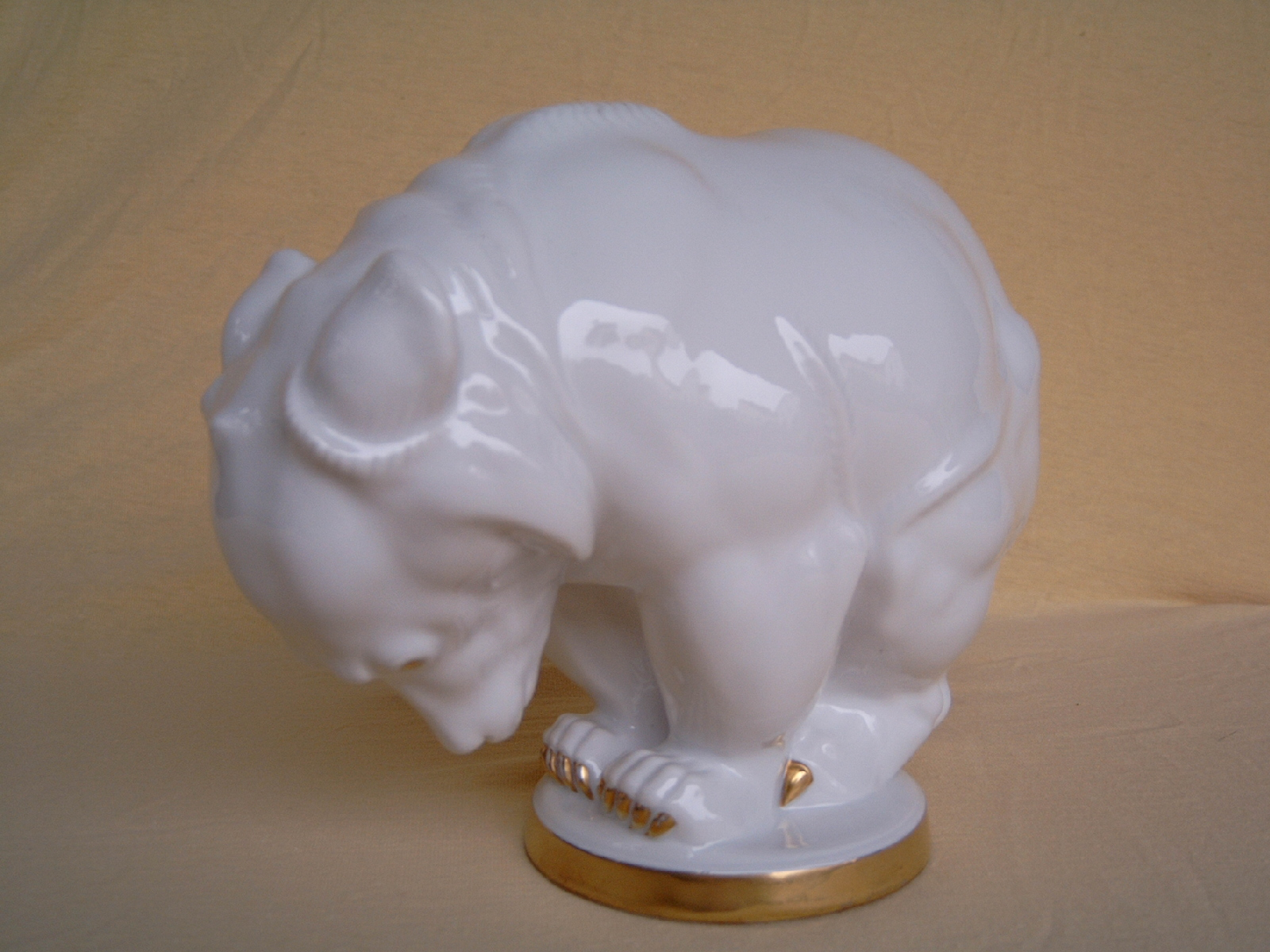
What to Check on a Hutschenreuther Figurine
- factory backstamp;
- model or form number;
- artist or sculptor attribution;
- signature or impressed initials;
- height and dimensions;
- glaze and colour variant;
- missing fingers, tails, ears, flowers or accessories;
- restoration or repainting;
- documented catalogue references.
Artists, Sculptors & the Hutschenreuther Art Department
The name of a documented designer or sculptor can materially change the historical interest of a Hutschenreuther object.
For important figurines, the artist should therefore be researched separately from the factory mark.
| Artist / Designer | Connection with Hutschenreuther |
|---|---|
| Fritz Klee | Important early influence on the developing art porcelain department and Selb porcelain design. |
| Karl Tutter | Associated with artistic direction from the early 1920s and widely collected figural designs. |
| Carl Werner | Important figure in artistic and technical development; associated with sculptural porcelain. |
| Otto Pilz | Associated with documented Hutschenreuther animal models, including bear designs. |
| Other artists | The art department worked with numerous independent and established sculptors; attribution should be checked model by model. |
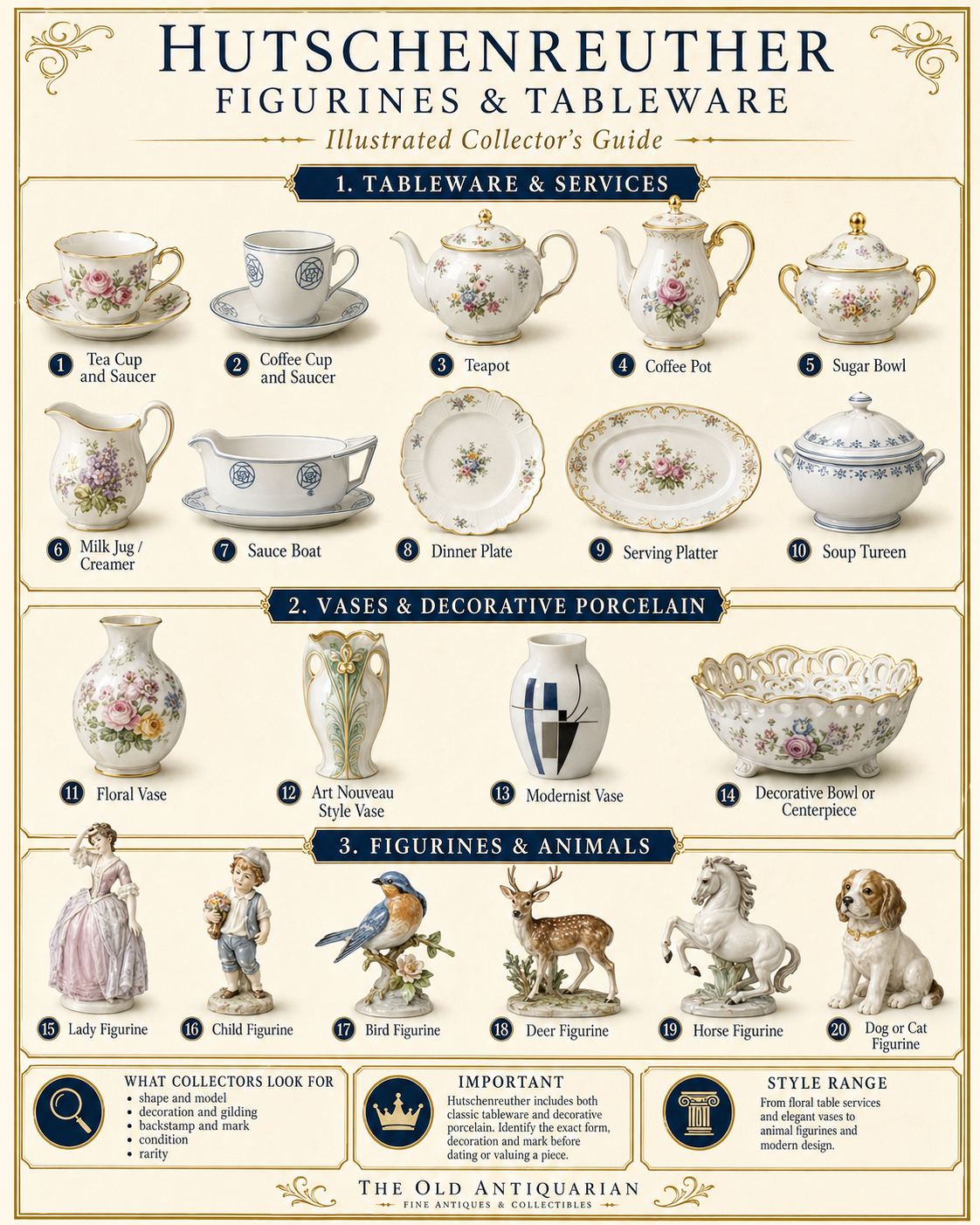
Hutschenreuther Tableware, Cups & Dinner Services
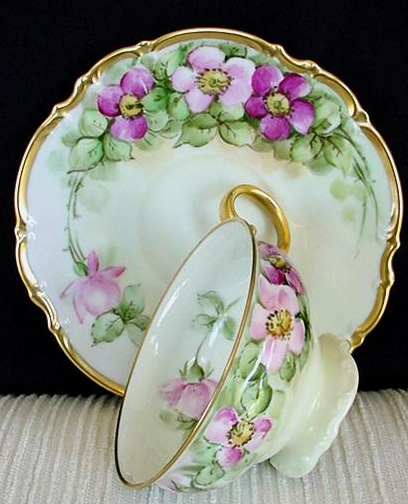
Although figurines attract considerable collector interest, tableware formed an essential part of Hutschenreuther production.
Surviving pieces include cups and saucers, tea and coffee pots, plates, serving dishes, tureens and large dinner services.
Complete Services
For tableware, completeness can influence collector interest.
A matching service containing original cups, saucers, plates, pots, creamers, sugar bowls and serving pieces may be more desirable than isolated pieces when the pattern is uncommon or historically important.
Always compare:
- factory marks;
- form numbers;
- pattern or decoration numbers;
- dimensions;
- gilding;
- colour;
- lid and handle shapes;
- condition across the complete set.
From Traditional Porcelain to Modern Design
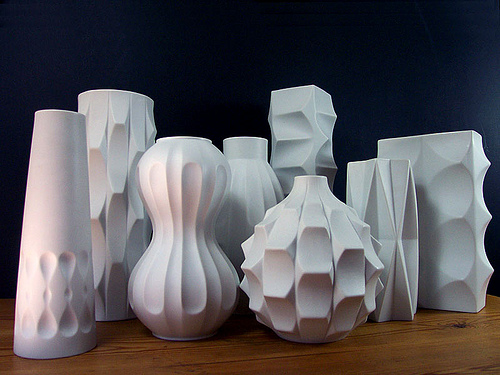
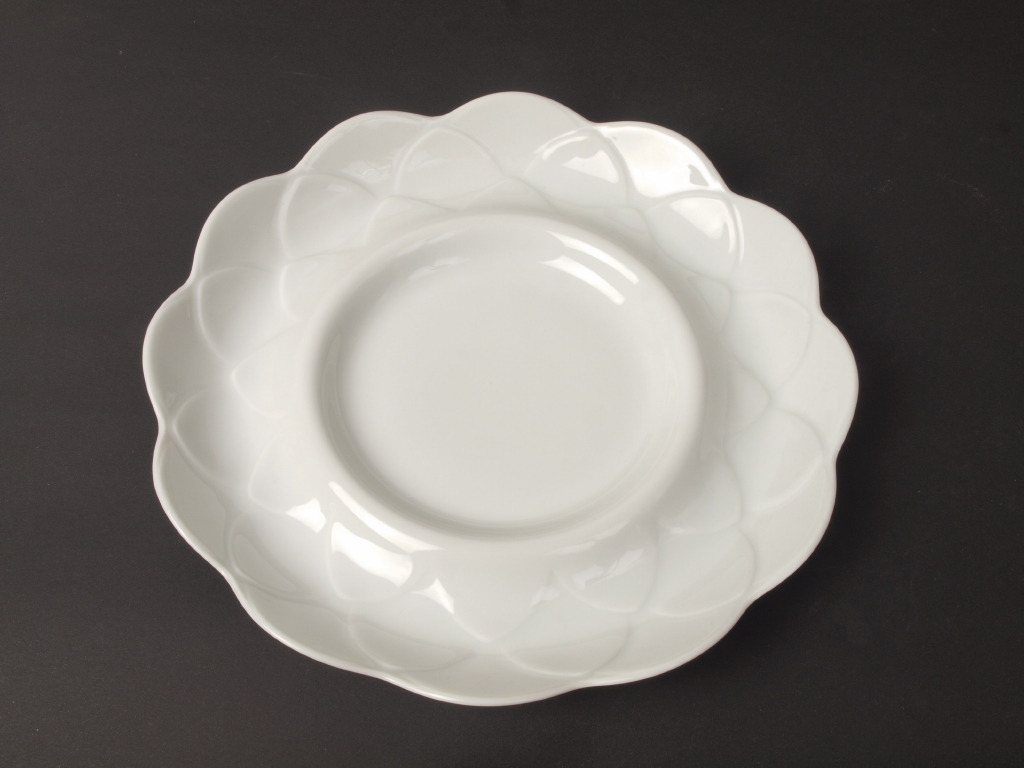
Hutschenreuther should not be understood only through floral cups and classical figurines.
The company’s twentieth-century production also embraced cleaner forms, sculptural surfaces and modern decorative design.
Authentication
How to Recognize Quality & Original Hutschenreuther Porcelain
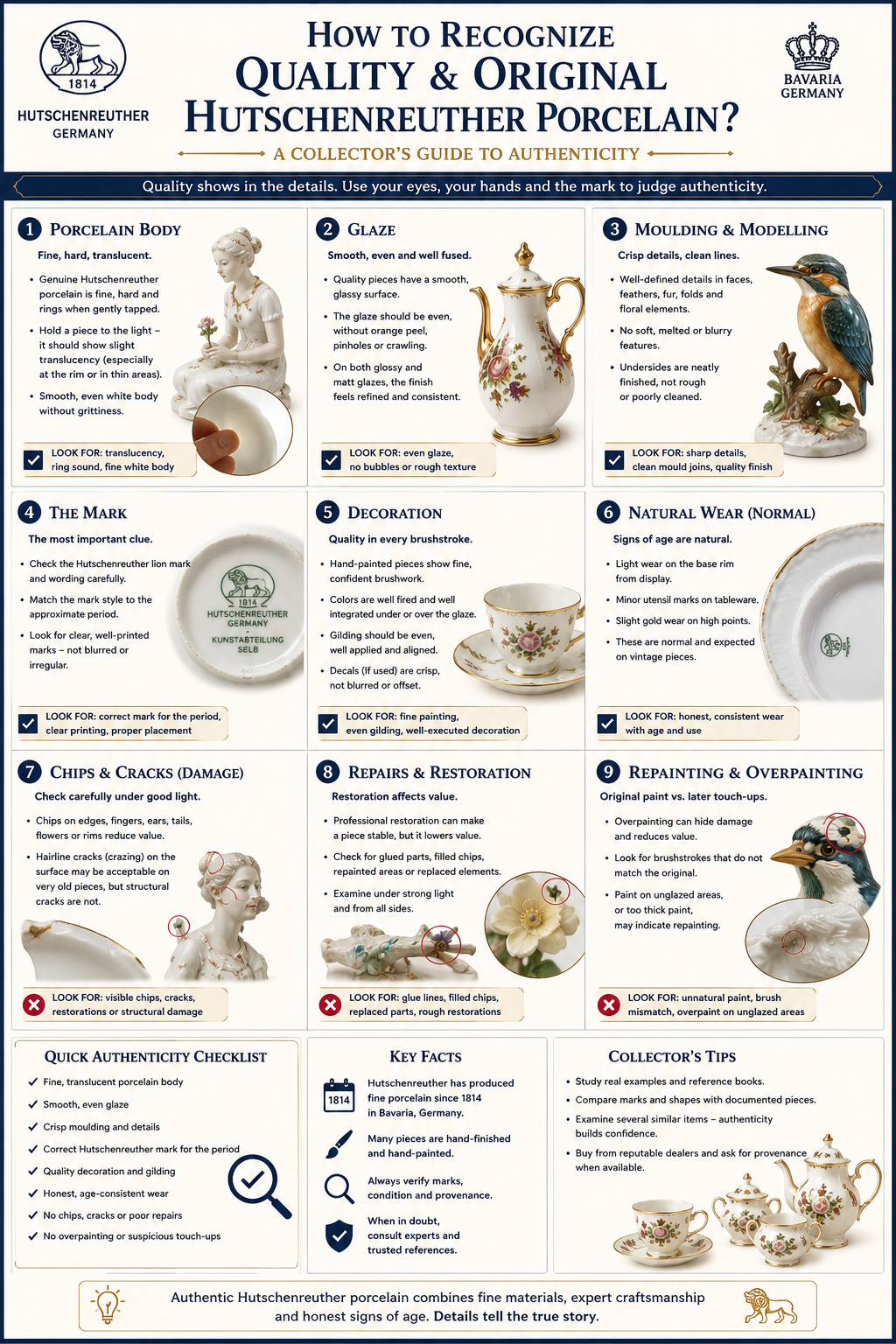
A convincing factory mark is only one part of authentication.
The entire object should be consistent with the period and manufacturer suggested by the backstamp.
| Feature | What to Examine |
|---|---|
| Porcelain body | Colour, density, refinement, weight and translucency where appropriate. |
| Glaze | Consistency, firing quality, natural gloss and later intervention. |
| Moulding | Sharpness of relief, clean modelling, fingers, feathers, fur and edges. |
| Mark | Exact typography, symbol, location, wording, colour and application method. |
| Decoration | Hand painting, transfer decoration, gilding and consistency with the proposed period. |
| Natural wear | Age-consistent wear on the base, gilding and exposed surfaces. |
| Damage | Chips, cracks, missing elements and staining. |
| Restoration | Glue, filled losses, repainting, overspray and replacement elements. |
For a wider authentication method that applies to other factories as well, see
How to Identify Antique Porcelain
.
Collector Value
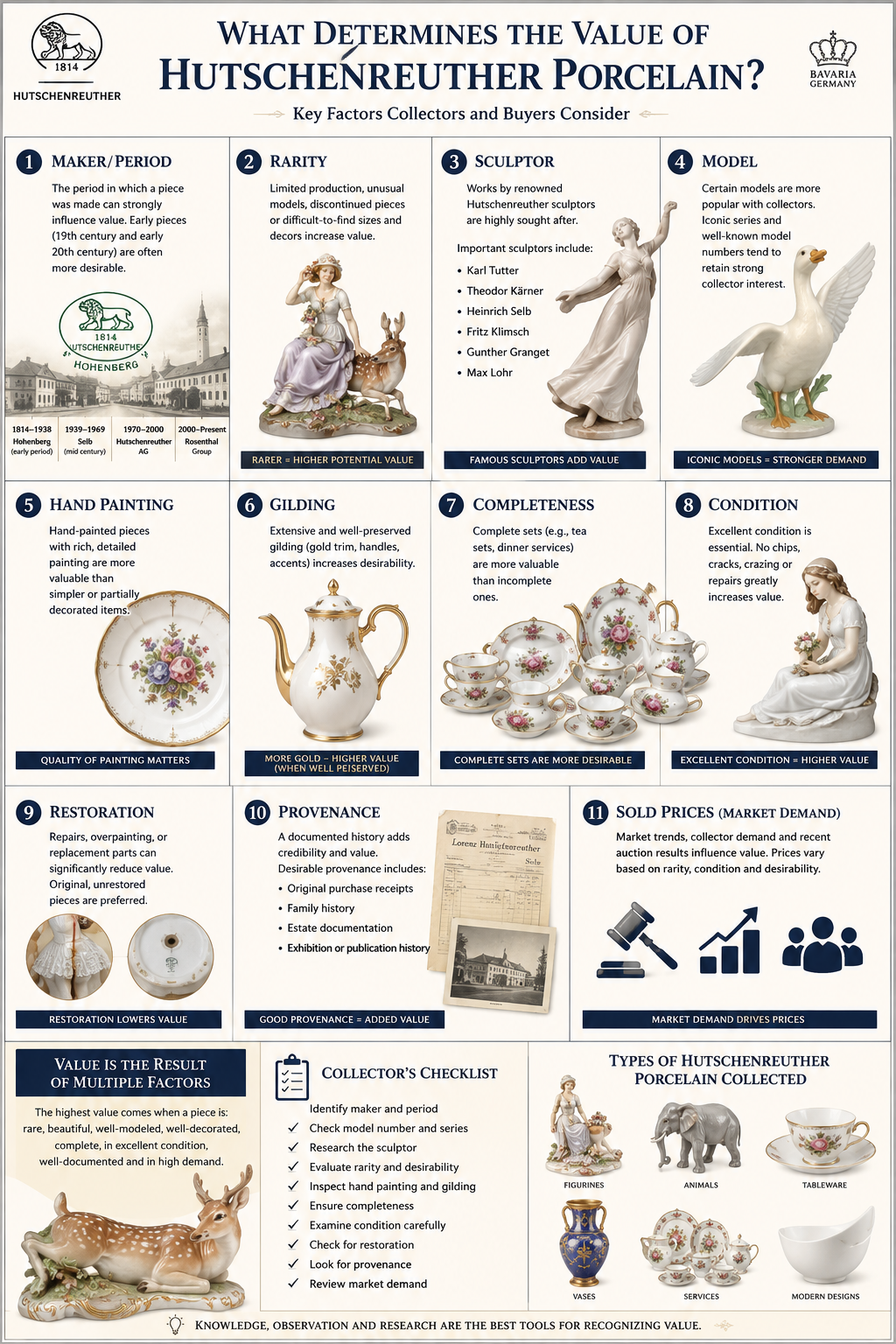
What Determines Hutschenreuther Porcelain Value?
There is no reliable universal price table for Hutschenreuther porcelain.
Market prices change over time and can differ dramatically between a common cup, a complete service and a documented rare figurine.
Value should therefore be assessed object by object.
| Factor | Why It Matters |
|---|---|
| Maker / Period | Certain factory periods are more historically significant or collectible. |
| Rarity | Scarce models, short production runs and unusual variants may attract stronger interest. |
| Sculptor / Designer | Documented artistic attribution can materially increase collector interest. |
| Model | Recognised figurine or service models may have established collector followings. |
| Hand Painting | Fine hand decoration can add artistic and collector appeal. |
| Gilding | Quality, originality and preservation of gilding affect desirability. |
| Completeness | Complete services and original components may be harder to replace. |
| Condition | Chips, cracks and missing parts usually reduce value. |
| Restoration | Repair may reduce originality and market confidence. |
| Provenance | Documented ownership, invoices, exhibitions or family history may strengthen an attribution. |
| Recent Sold Prices | Comparable completed sales provide better evidence of current demand than asking prices. |
Sold Prices Matter More Than Asking Prices
A seller can list a Hutschenreuther figurine or service at almost any price.
An asking price therefore does not automatically represent market value.
When researching comparable sales, try to match:
- the same model;
- the same size;
- the same mark period;
- the same colour or decoration variant;
- similar condition;
- similar completeness;
- the same sculptor or designer where relevant.
Collector Checklist
How to Examine a Hutschenreuther Piece
| 1. Photograph the object | Front, back, sides and complete underside. |
| 2. Read the full mark | Record every word, symbol, number and colour. |
| 3. Identify the branch | Hohenberg, Selb, Paul Müller or later Hutschenreuther? |
| 4. Record model numbers | Include impressed and painted numbers. |
| 5. Measure accurately | Height, width, diameter and relevant dimensions. |
| 6. Study decoration | Hand painting, transfer work, gilding and colour. |
| 7. Check condition | Chips, cracks, wear, staining and missing elements. |
| 8. Look for restoration | Glue, filler, overspray, repainting and replacement parts. |
| 9. Research the model | Designer, sculptor, form number and documented production period. |
| 10. Check sold comparables | Compare genuinely similar pieces rather than general Hutschenreuther listings. |
Frequently Asked Questions
Hutschenreuther Porcelain FAQ
When was Hutschenreuther founded?
The Hutschenreuther story began in Hohenberg an der Eger in Bavaria in 1814 with Carl Magnus Hutschenreuther. Official manufacturing approval followed in 1822.
Was the Selb factory the same as the Hohenberg factory?
No. Lorenz Hutschenreuther founded a separate porcelain factory in Selb in 1857. The Hohenberg and Selb companies developed independently before merging in 1969/70.
What does “Selb Bavaria” mean on Hutschenreuther porcelain?
Selb identifies the important Bavarian porcelain-producing town associated with Lorenz Hutschenreuther. Bavaria identifies the German region.
Can a Hutschenreuther mark tell me the exact age?
Usually not by itself. The exact mark variant can narrow the period, but reliable dating should also consider branch, wording, model number, decoration, form and factory history.
What does “Abt. Paul Müller” mean?
It refers to the Paul Müller operation in Selb associated with Lorenz Hutschenreuther following the 1917 acquisition.
Are numbers under Hutschenreuther porcelain dates?
Not necessarily. They may represent form, model, decoration, painter, mould or internal production references.
Are Hutschenreuther figurines collectible?
Yes. Collector interest can be particularly strong for documented animal and human figures with known sculptors, identifiable model numbers, desirable periods and excellent condition.
Is hand-painted Hutschenreuther more valuable?
Fine hand painting may increase desirability, but value also depends on rarity, period, model, condition, quality and demand.
Does restoration reduce Hutschenreuther value?
In many cases, yes. The effect depends on the rarity of the model, quality and extent of the restoration and current market demand.
Is every piece marked Bavaria Hutschenreuther?
No. Bavaria is a region, not a single porcelain factory. Many manufacturers used Bavaria-related wording.
Who owns Hutschenreuther today?
Rosenthal acquired the Hutschenreuther brand in 2000, and Hutschenreuther remains part of the Rosenthal brand portfolio.
The Old Antiquarian
Need Help Identifying Your Hutschenreuther Porcelain?
Send clear photographs of the entire object, underside, factory mark, model numbers and decoration, together with dimensions and information about any chips, cracks or restoration.
Identification and valuation depend on the individual object and available evidence.
Continue Exploring
Related Porcelain Guides
Bavaria Porcelain: Marks, Makers, Dating & Value
Porcelain Marks Identification Guide
Research
Sources & Further Research
Historical information in this guide has been checked against manufacturer histories, museum research, regional porcelain archives and documented historical material.
- Hutschenreuther — official company history from 1814 to the present.
- Rosenthal GmbH — company history and Hutschenreuther brand information.
- Porzellanikon — museum research relating to Hutschenreuther, the art department and twentieth-century porcelain design.
- Porzellan-Selb — regional historical research on Lorenz Hutschenreuther, Paul Müller and the Selb porcelain industry.
- Museum Künstlerkolonie Darmstadt — documented Hans Christiansen / Lorenz Hutschenreuther dinner service, circa 1903.
- Historic company documents and catalogues — useful for checking factory names, model numbers, artistic departments and corporate development.
Image licensing note: where historical images originate from Wikimedia Commons or museum open-access collections, retain the creator and licence attribution specified on the original source page whenever required by the licence.
About the Author
The Old Antiquarian
The Old Antiquarian combines more than 35 years of experience with antiques and collecting with careful historical research. Our porcelain guides are designed to help collectors evaluate marks, materials, craftsmanship, condition and documented history together rather than relying on a single clue.
A Hutschenreuther mark is the beginning of the identification — not the end.
The strongest attribution comes when the factory branch, exact backstamp, model or form number, porcelain body, decoration, artist, condition and documented history all support the same conclusion.
Last updated: September 3, 2026
