
What Is Bulgarian Porcelain?
Bulgarian porcelain is an important part of Bulgaria’s decorative arts, industrial heritage, and twentieth-century collecting history. Although it is less internationally famous than German, French, Russian, or English porcelain, Bulgarian porcelain has developed its own distinctive character through elegant design, quality craftsmanship, and practical everyday beauty.
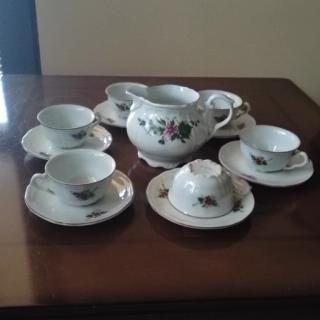
Produced mainly during the twentieth century, Bulgarian porcelain includes tea and coffee services, dinner sets, decorative plates, vases, bowls, figurines, souvenir porcelain, and artistic decorative objects. Many pieces were created for everyday households, while others were intended as gifts, commemorative editions, hotel collections, or exhibition pieces.
Today, countless Bulgarian families still own porcelain inherited from parents and grandparents. What was once considered ordinary household porcelain is increasingly attracting collectors interested in Eastern European decorative arts and twentieth-century design.
If you’re beginning your porcelain collecting journey, we recommend first reading What Is Porcelain?, Types of Porcelain Explained, and Porcelain vs Faience vs Ceramic. These guides explain the fundamentals of porcelain before exploring the history of Bulgarian production.
The History of Bulgarian Porcelain
Although Bulgaria never became one of Europe’s largest porcelain-producing nations, porcelain manufacturing expanded considerably during the twentieth century. As industry developed and living standards improved, porcelain became an important symbol of refinement, hospitality, and modern domestic life.
Bulgarian factories produced elegant household porcelain that reflected both European design trends and local artistic traditions. Tea services, coffee sets, decorative plates, bowls, figurines, and complete dinner services became common features in Bulgarian homes.
Unlike the luxury porcelain produced exclusively for royal courts in countries such as Germany, France, or Russia, Bulgarian porcelain was largely intended for everyday use. Nevertheless, many pieces display impressive craftsmanship, tasteful decoration, and excellent manufacturing quality.
During the socialist period, porcelain production expanded significantly. Factories manufactured large quantities for domestic use while also producing decorative objects intended for export throughout Eastern Europe.
Today these objects provide an important record of Bulgarian industrial design and everyday cultural history.
Characteristics of Bulgarian Porcelain
Bulgarian porcelain is admired for combining practicality with elegant decoration. Although styles varied between factories and decades, many pieces share recognisable characteristics.
Collectors frequently identify Bulgarian porcelain by:
- Bright white porcelain body.
- Smooth glossy glaze.
- Elegant twentieth-century European styling.
- Traditional floral decoration.
- Hand-painted details.
- Gold or platinum edging.
- Balanced proportions.
- Functional yet decorative design.
Many complete tea and coffee services demonstrate careful craftsmanship while remaining durable enough for regular household use.
How to Identify Bulgarian Porcelain
Correct identification requires considerably more than reading the factory mark on the base. Professional appraisers examine the entire object before determining its manufacturer, production period, and authenticity.
Specialists usually evaluate:
- Porcelain quality.
- Glaze finish.
- Shape and proportions.
- Decoration techniques.
- Hand-painted details.
- Gold decoration.
- Factory marks.
- Natural ageing.
- Manufacturing quality.
Professionals also determine whether the object remains an original, or whether it could instead be a later copy, a replica, or even a fake.
Because many twentieth-century porcelain factories used similar decorative styles, professional identification always considers the porcelain body, glaze, craftsmanship, historical context, and porcelain marks together rather than relying on any single feature.
Bulgarian Porcelain Marks
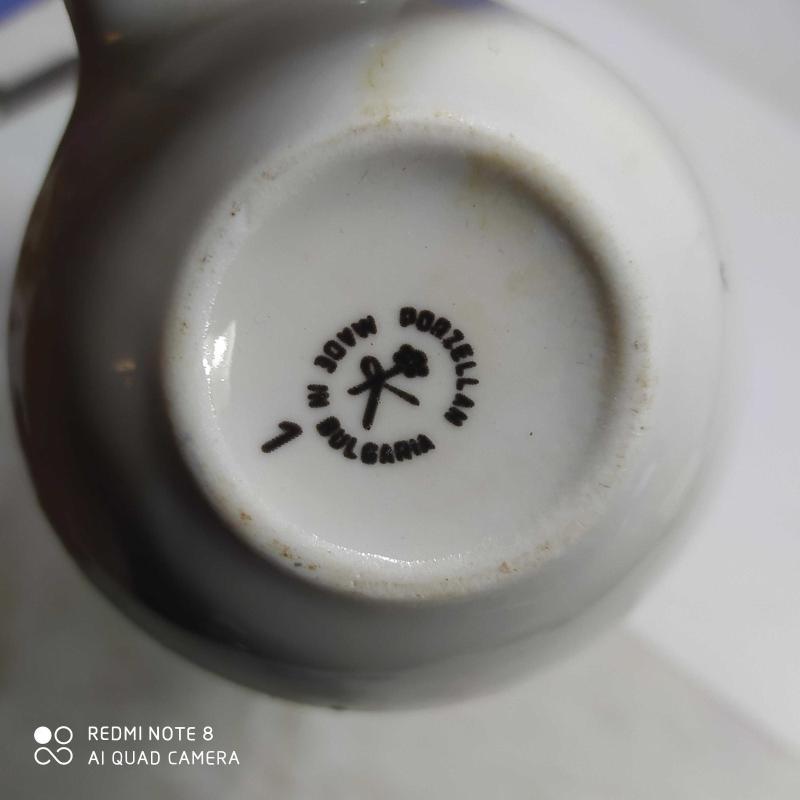
Like most European porcelain manufacturers, Bulgarian factories applied marks to the underside of many of their products. These factory marks, also known as backstamps, are among the most valuable clues when identifying Bulgarian porcelain because they can help determine the manufacturer, approximate production period, and sometimes even the intended export market.
Depending on the factory and production period, Bulgarian porcelain marks may include:
- Factory names.
- Company logos.
- Production codes.
- Model numbers.
- Country-of-origin markings.
- Quality control symbols.
- Export marks.
Many factories changed their marks several times during the twentieth century, allowing experienced collectors to estimate the age of a piece by comparing its backstamp with documented examples.
However, professional identification never relies on the mark alone. Specialists also examine the porcelain body, glaze, decoration, manufacturing techniques, and overall craftsmanship before determining authenticity.
If you would like to learn how factory marks are interpreted, read our guide What Are Porcelain Marks?.
Common Types of Bulgarian Porcelain
Bulgarian factories produced a wide variety of porcelain objects designed for both practical everyday use and decorative display. Many of these pieces remain in family collections today and have become increasingly appreciated by collectors of Eastern European decorative arts.
Collectors most commonly encounter:
- Tea services.
- Coffee services.
- Dinner sets.
- Decorative plates.
- Serving platters.
- Decorative bowls.
- Vases.
- Porcelain figurines.
- Souvenir porcelain.
- Hand-painted decorative pieces.
Complete services in excellent condition are considerably less common today because many sets were gradually reduced through everyday household use over several decades.
How to Tell Antique Bulgarian Porcelain from Modern Pieces
Distinguishing older Bulgarian porcelain from modern production requires careful observation. While modern porcelain is often manufactured using highly automated processes, older pieces usually reveal subtle characteristics associated with traditional production methods.
Collectors typically look for:
- Natural wear on the foot rim.
- A mature glossy glaze.
- Minor manufacturing variations.
- Hand-painted decoration.
- Original gold or platinum trim.
- Traditional twentieth-century design.
- Signs of age consistent with long-term use.
Modern porcelain often appears more uniform because decals and transfer-printing have replaced much of the traditional hand painting used on earlier Bulgarian production.
Professionals also determine whether a piece remains an original, or whether it may be a later copy, replica, or fake.
Is Bulgarian Porcelain Collectible?
Absolutely. While Bulgarian porcelain may not enjoy the same international reputation as Meissen, Limoges, or the Imperial Porcelain Factory, interest in twentieth-century Eastern European decorative arts has grown steadily over recent years.
Collectors particularly value:
- Complete tea and coffee services.
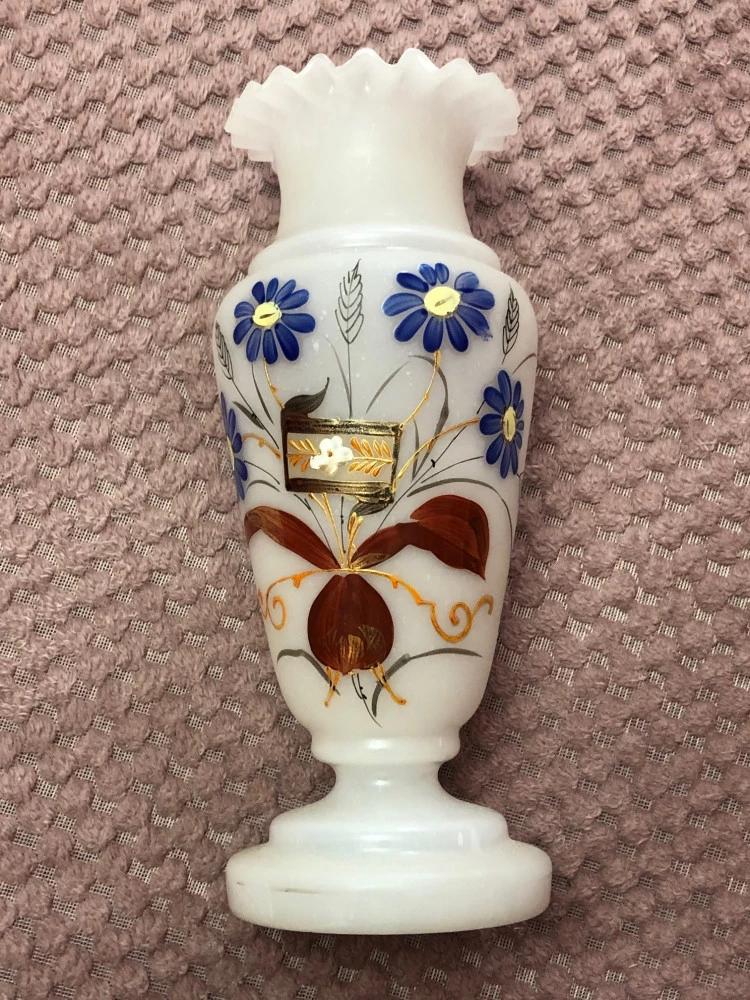
- Large decorative vases.
- Artistically hand-painted porcelain.
- Rare factory productions.
- Limited-edition commemorative pieces.
- Objects retaining their original factory marks.
As more collectors begin exploring regional European porcelain traditions, Bulgarian porcelain is receiving increasing attention both within Bulgaria and internationally.
What Determines the Value of Bulgarian Porcelain?
The value of Bulgarian porcelain depends on many different factors rather than a single characteristic. Two porcelain pieces that appear similar at first glance may differ significantly in market value depending on their age, rarity, condition, decoration, manufacturer, and collector demand.
Professional appraisers usually evaluate:
- Manufacturer.
- Production period.
- Age.
- Factory mark.
- Condition.
- Completeness of the service.
- Hand-painted decoration.
- Original gilding.
- Rarity.
- Artistic quality.
- Historical significance.
- Current collector demand.
Complete tea and coffee services in excellent original condition generally achieve higher prices than individual cups or plates. Decorative figurines, unusual vases, commemorative editions, and artist-decorated porcelain may also command premium prices, particularly when accompanied by original factory marks and documented provenance.
Specialists also determine whether an object has undergone previous restoration or conservation. Professional conservation may help preserve an antique, while excessive repainting or poor restoration can significantly reduce both historical integrity and market value.
Bulgarian Porcelain in Today’s Collectors’ Market
For many years Bulgarian porcelain remained relatively overlooked compared with German, French, or English porcelain. However, this has begun to change as collectors increasingly appreciate twentieth-century decorative arts from Eastern Europe.
Interest continues to grow among collectors looking for:
- Original twentieth-century design.
- Socialist-era decorative arts.
- Eastern European ceramics.
- Vintage household porcelain.
- Complete tea and dinner services.
- Hand-painted decorative porcelain.
Many Bulgarian porcelain objects are still available at relatively affordable prices compared with more famous European manufacturers, making them attractive to both new collectors and experienced enthusiasts looking to diversify their collections.
As surviving complete services become increasingly scarce, well-preserved examples continue to attract greater attention from collectors and specialist dealers.
How to Recognise Hand-Painted Bulgarian Porcelain
Although much Bulgarian porcelain was produced in large quantities, many decorative pieces were finished by skilled artists using traditional hand-painting techniques. These objects often display a level of craftsmanship that distinguishes them from later mass-produced porcelain.
Collectors usually look for:
- Visible brush strokes.
- Natural variations in floral decoration.
- Individually applied gold decoration.
- Slight differences between matching pieces.
- Balanced artistic composition.
- Fine detailing around borders and handles.
Unlike transfer-printed decoration, genuine hand painting gives each object its own unique appearance. Small variations should generally be regarded as evidence of traditional craftsmanship rather than manufacturing defects.
Can Bulgarian Porcelain Be an Investment?
While Bulgarian porcelain is rarely purchased solely as an investment, certain categories have shown increasing collector demand over recent years. Rare factory productions, complete services, artist-decorated porcelain, limited editions, and exceptionally well-preserved examples continue to become more difficult to find.
As interest in Eastern European antiques expands internationally, Bulgarian porcelain is gradually establishing itself as an attractive collecting field. Although prices generally remain below those of Meissen, Limoges, or Imperial Russian porcelain, quality Bulgarian pieces offer historical significance, decorative appeal, and excellent value for collectors.
Collectors should always prioritise authenticity, originality, condition, and historical importance rather than purchasing solely with investment expectations.
How to Care for Antique Bulgarian Porcelain
Although Bulgarian porcelain was often produced for everyday household use, many surviving pieces are now several decades old and deserve careful handling. Proper storage, cleaning, and display help preserve both their historical significance and their collector value.
Collectors should always support porcelain from its strongest structural points. Handles, lids, spouts, and decorative elements should never be used to lift an object, as these areas are most vulnerable to accidental damage.
To help preserve antique Bulgarian porcelain:
- Handle porcelain with clean, dry hands.
- Avoid sudden changes in temperature.
- Keep porcelain away from prolonged direct sunlight.
- Protect it from vibration and accidental impacts.
- Display valuable pieces inside enclosed cabinets whenever possible.
- Use padded shelves for large vases and complete services.
- Never stack valuable porcelain without protective padding.
- Dust regularly using a soft microfiber cloth.
- Avoid abrasive cleaning products and harsh chemicals.
- Never place antique porcelain in a dishwasher.
If damage occurs, professional conservation is usually preferable to unnecessary restoration. Where repairs are required, they should be carried out using appropriate conservation techniques that preserve as much original material as possible.
When Should You Seek a Professional Appraisal?
If you own an old Bulgarian porcelain tea service, dinner set, vase, figurine, or decorative object and would like to determine its authenticity, production period, manufacturer, or approximate market value, obtaining a professional appraisal is often the safest approach.
Professional evaluation is especially recommended before:
- Buying valuable antique porcelain.
- Selling inherited collections.
- Sending porcelain to auction.
- Restoring damaged objects.
- Obtaining insurance.
- Dividing family collections.
- Donating porcelain to museums or institutions.
Professional appraisers examine much more than the factory mark. They carefully evaluate the porcelain body, glaze, decoration, hand-painted details, manufacturing techniques, condition, provenance, and historical consistency before estimating authenticity and market value.
➡️ Request a Professional Antique Valuation
Frequently Asked Questions
Is Bulgarian porcelain valuable?
Some Bulgarian porcelain is highly collectible. Its value depends on the manufacturer, production period, rarity, condition, artistic quality, factory marks, and current collector demand.
How can I identify Bulgarian porcelain?
Identification involves examining the porcelain body, glaze, decoration, manufacturing quality, factory marks, and natural signs of ageing. Specialists never rely on a single feature alone.
Do all Bulgarian porcelain pieces have factory marks?
No. While many examples carry factory marks, some older pieces have worn, incomplete, or missing marks, making a full examination essential.
What are the most common Bulgarian porcelain items?
Collectors most frequently encounter tea services, coffee sets, dinner services, decorative plates, bowls, figurines, vases, souvenir porcelain, and hand-painted decorative pieces.
Can Bulgarian porcelain be a good investment?
Well-preserved, complete, and uncommon Bulgarian porcelain has become increasingly attractive to collectors, particularly those specialising in twentieth-century Eastern European decorative arts.
How should Bulgarian porcelain be stored?
Store porcelain in a stable environment away from direct sunlight, humidity, sudden temperature changes, and accidental impacts. Display cabinets offer excellent protection against dust and everyday damage.
Conclusion
Bulgarian porcelain represents an important chapter in Bulgaria’s decorative arts and cultural heritage. Although it is often overshadowed by more famous European manufacturers, it possesses its own distinctive identity, practical elegance, and historical significance.
Correct identification requires careful examination of the porcelain body, factory marks, glaze, decoration, craftsmanship, condition, and historical context. Together, these characteristics allow collectors to distinguish authentic Bulgarian porcelain from later reproductions and better appreciate the artistic traditions behind every piece.
As international interest in Eastern European antiques continues to grow, Bulgarian porcelain is steadily gaining the recognition it deserves. Whether you inherit a family tea service, discover an unusual decorative vase, or begin building your own collection, understanding Bulgarian porcelain will help you appreciate both its cultural importance and its collector value.
Continue Learning
- What Is Porcelain?
- Types of Porcelain Explained
- Porcelain vs Faience vs Ceramic
- What Are Porcelain Marks?
- What Is Chinese Porcelain?
- What Is Japanese Porcelain?
- What Is Russian Porcelain?
- What Is a Maker’s Mark?
- What Is Restoration?
- What Is Conservation?
- What Is an Original?
- What Is a Copy?
- What Is a Replica?
- What Is a Fake?
- What Is a Certificate of Authenticity?
Explore Related Collections
