
What Is Danish Porcelain?
Last updated: September 2026 | The Old Antiquarian
Quick Answer
Danish porcelain refers to porcelain made in Denmark by historic manufacturers and artistic workshops rather than to one single factory or pattern. It is particularly associated with refined craftsmanship, underglaze decoration, naturalistic subjects, elegant proportions and the long traditions of Royal Copenhagen and Bing & Grøndahl.
To identify an unknown Danish porcelain object, begin with the factory mark on the base and then examine the model number, decoration, porcelain body, technique, artist or painter marks, quality grade and condition. The factory mark is an important clue, but reliable identification should never depend on the mark alone.
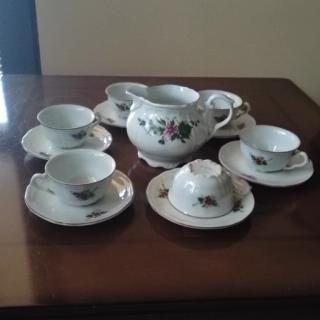
At a Glance
Danish Porcelain – Key Facts
| Characteristic | What Collectors Should Know |
|---|---|
| Historic centre | Copenhagen, Denmark |
| Royal Copenhagen | Founded in 1775; famous for the Three Blue Waves and major historic porcelain services. |
| Bing & Grøndahl | Founded in 1853; known for art porcelain, figurines, animal models and collector series. |
| Typical decoration | Underglaze blue, natural motifs, hand-painted detail and restrained colour palettes. |
| Common objects | Tableware, vases, figurines, animal models, decorative plates and collector editions. |
| Identification method | Maker + exact mark + model + decoration + technique + quality + condition. |
Definition
What Is Danish Porcelain?
The term Danish porcelain describes porcelain produced in Denmark and the artistic traditions associated with Danish porcelain manufacture. It is not the name of one factory, one backstamp or one decorative style.
This distinction is important for collectors. An object should first be attributed to a specific manufacturer before its model, period, artist, rarity or potential market value can be assessed.
Denmark’s best-known historic porcelain names are
Royal Copenhagen
and
Bing & Grøndahl.
Their histories eventually became directly connected when the two companies merged in 1987.
If you are new to porcelain collecting, our guides to
What Is Porcelain?,
Types of Porcelain
and
Porcelain vs Faience vs Ceramic
provide useful background before moving into individual Danish manufacturers.
History
The History of Danish Porcelain
Denmark’s major porcelain tradition developed during the eighteenth century. A decisive moment came in 1775, when the porcelain manufactory later known as Royal Copenhagen was established in Copenhagen.
During the nineteenth century Danish ceramic production expanded considerably. Bing & Grøndahl was founded in 1853 and developed a separate artistic identity, particularly in sculpture, art porcelain, underglaze decoration and later collector series.
By the late nineteenth and early twentieth centuries, Danish factories had developed an international reputation for refined underglaze painting, naturalistic modelling and close collaboration between manufacturers, painters, designers and sculptors.
| Period | Development |
|---|---|
| 18th century | The foundations of Denmark’s major porcelain tradition are established. |
| 1775 | Royal Copenhagen is founded in Copenhagen. |
| 1853 | Bing & Grøndahl is founded. |
| Late 19th century | Artistic underglaze decoration and naturalistic design become internationally important. |
| 20th century | Danish tableware, figurines and decorative porcelain gain broad international recognition. |
| 1987 | Royal Copenhagen and Bing & Grøndahl merge. |
Style & Craftsmanship
What Makes Danish Porcelain Distinctive?
There is no single visual style that defines every Danish porcelain object. Nevertheless, several characteristics recur throughout important periods of Danish production.
| Characteristic | What It Looks Like |
|---|---|
| Underglaze painting | Decoration lies beneath the transparent glaze, producing depth and durability. |
| Blue palettes | From strong cobalt blue to soft blue-grey tonal transitions. |
| Natural motifs | Flowers, plants, birds, animals, landscapes and maritime subjects. |
| Naturalistic modelling | Particularly important in many Danish porcelain figurines and animal sculptures. |
| Refined proportions | Balanced forms and controlled decorative composition. |
| Artist involvement | Painter marks, artist initials, designers and sculptors may be important for identification. |
Danish porcelain is therefore broader than the familiar blue-and-white aesthetic. Historic production also includes polychrome decoration, gilding, white porcelain, sculptural works and experimental art porcelain.
Manufacturers
Major Danish Porcelain and Ceramic Manufacturers
| Manufacturer | Known For | Identification Direction |
|---|---|---|
|
Royal Copenhagen |
Blue Fluted, Flora Danica, table services, figurines and decorative porcelain. | Three Blue Waves plus period-specific factory marks, numbers and dating indicators. |
|
Bing & Grøndahl |
Art porcelain, figurines, animal models, Seagull Service and annual collector plates. | Early B&G initials and later Three Towers marks, together with model numbers and other factory information. |
| Aluminia | Especially important for Danish faience, decorative ceramics and design. | Identify the ceramic body first; Aluminia objects should not automatically be classified as porcelain. |
Collector note:
“Danish porcelain” is a geographic and artistic category, not a single manufacturer. The maker must be identified before the object’s date, model and value can be researched accurately.
Specialist Guides
Already Know the Manufacturer?
If the base already identifies the maker, use the dedicated guide rather than the general Danish porcelain overview.
| Mark or Name | Use This Guide |
|---|---|
| Three Blue Waves, crown or Royal Copenhagen |
Royal Copenhagen: Marks, Dating, Models & Identification |
| B&G, Three Towers or Bing & Grøndahl |
Bing & Grøndahl: Marks, Figurines, Dating & Collecting |
Identification
How to Identify Unknown Danish Porcelain
When the manufacturer is unknown, begin with the base of the object. Photograph the complete underside rather than cropping only the central logo, because small numbers, painted initials and secondary marks may be essential.
| What You See | Likely Direction | What to Do Next |
|---|---|---|
| Three Blue Waves | Royal Copenhagen |
Compare the full backstamp using the Royal Copenhagen identification guide . |
| B&G initials | Bing & Grøndahl |
Check the exact mark period in the Bing & Grøndahl guide . |
| Three Towers + B&G | Later Bing & Grøndahl | Compare exact wording, colours, numbers and the object itself. |
| Aluminia | Danish faience / ceramics | Identify the ceramic material before calling the object porcelain. |
| Unknown Danish backstamp | Unidentified manufacturer |
Use our porcelain marks guide and compare all visible factory information. |
Collector Identification Checklist
- Photograph the complete object.
- Photograph the entire base.
- Record every symbol, word, number and initial.
- Measure height, width and diameter.
- Determine whether the body is porcelain, faience or another ceramic.
- Identify the likely manufacturer.
- Compare the exact mark rather than only the main logo.
- Check model and pattern numbers.
- Examine painting and glazing technique.
- Check condition and previous restoration.
- Compare with documented examples of the same model.
How Danish Porcelain Marks Should Be Read
A Danish porcelain backstamp may contain several layers of information. These should be interpreted together rather than individually.
| Marking | Possible Meaning |
|---|---|
| Factory symbol or name | Identifies the manufacturer or brand. |
| Model number | May identify a specific form or figurine. |
| Pattern or decoration number | May identify a decorative variant. |
| Painter’s initials | May record a painter or decorator where documented. |
| Country wording | Can help narrow a production period. |
| Quality mark | May indicate a factory quality classification. |
For a general explanation of backstamps, symbols, numbers and maker marks, read
What Are Porcelain Marks?
.
IDENTIFICATION FORMULA
maker + exact mark + model + material + decoration + technique + condition
Common Types of Danish Porcelain
Danish manufacturers produced both practical tableware and highly artistic objects. The categories collectors most frequently encounter include:
How to Tell Older Danish Porcelain from Modern Production
Age should never be judged from visible wear alone. Marks can be copied, bases can become artificially worn and some historic patterns continued in production for long periods.
A stronger approach combines several types of evidence.
| Evidence | What It Can Tell You |
|---|---|
| Exact factory mark | Helps narrow the period of production. |
| Model number | Can connect the object with a documented factory model. |
| Decoration | Technique and artistic style may support or contradict the proposed date. |
| Porcelain body and glaze | Manufacturing quality and technology provide supporting evidence. |
| Foot-rim wear | Natural wear may support age but is not conclusive by itself. |
| Documented comparison | Confirms whether mark, form and decoration belong together. |
European Context
How Is Danish Porcelain Different from Other European Porcelain?
Danish porcelain developed alongside other major European traditions but acquired a particularly strong reputation for restrained decoration, natural subjects and the integration of fine art with practical design.
| Tradition | Broad Collecting Character |
|---|---|
| Danish | Underglaze colour, naturalistic subjects, elegant form and Scandinavian restraint. |
| German | Major court manufactories, sculptural traditions and extensive decorative variety. |
| French | Strong association with court luxury, colour grounds, gilding and refined painting. |
| English | Broad commercial production ranging from fine porcelain to major tableware traditions. |
For deeper comparison, explore our guides to
German porcelain,
French porcelain,
English porcelain
and
Russian porcelain.
Collecting Danish Porcelain
Collectors approach Danish porcelain in many different ways. Some build collections around a single manufacturer, while others specialise in figurines, animals, particular patterns, artists, annual plates or specific periods.
Rather than assuming that every old Danish object is rare or valuable, experienced collectors usually begin by identifying the exact maker and model.
Popular Collecting Areas
- historic table services;
- hand-painted porcelain;
- figurines and animal models;
- art porcelain;
- signed or artist-associated objects;
- annual and commemorative plates;
- rare or discontinued forms;
- well-documented early production.
Important:
a famous factory name does not automatically make an object rare. Model, period, quality, condition and actual collector demand remain essential.
Value
What Determines the Value of Danish Porcelain?
“Danish porcelain” is not a valuation category by itself. Market value can only be estimated meaningfully after the manufacturer and object have been identified.
| Factor | Why It Matters |
|---|---|
| Manufacturer | Establishes the historical and collecting context. |
| Model or pattern | Some forms have much stronger collector demand than others. |
| Production period | Historically important or early production can attract greater interest. |
| Artist or modeller | A documented attribution can be significant. |
| Rarity | Scarce models and variants may command stronger demand. |
| Condition | Chips, cracks, missing elements and heavy wear can reduce value. |
| Restoration | Repairs and repainting should be evaluated separately from normal ageing. |
| Provenance | Documented history may add confidence and context. |
| Comparable sold examples | Actual completed sales provide a more useful market reference than asking prices. |
ASKING PRICE ≠ MARKET VALUE
The most useful comparisons are completed sales of the same or closely comparable model, size, period, quality and condition.
How to Care for Antique Danish Porcelain
Historic porcelain is durable but brittle. Careless handling often causes more damage than age itself.
- Handle objects with clean, dry hands.
- Support pieces from the strongest part of the body.
- Never lift an object by a handle, finial, wing, tail or other projecting detail.
- Avoid sudden temperature changes.
- Keep valuable pieces away from prolonged direct sunlight.
- Protect figurines and vases from vibration and accidental impact.
- Use stable, padded shelving where appropriate.
- Avoid abrasive cleaners and aggressive household chemicals.
- Do not put antique porcelain in a dishwasher.
If an important object is damaged, professional
conservation
should be considered before unnecessary
restoration.
The Old Antiquarian
Do You Have Danish Porcelain?
Send clear photographs of the complete object, the entire base, factory marks, model numbers, signatures and any labels, together with its dimensions. These details can help establish the manufacturer, period and model.
Frequently Asked Questions
Danish Porcelain FAQ
What is Danish porcelain?
Danish porcelain is porcelain produced in Denmark and associated with Denmark’s historic ceramic and decorative-art traditions. It is a broad category rather than a single factory or pattern.
Which are the most famous Danish porcelain manufacturers?
Royal Copenhagen and Bing & Grøndahl are the two best-known historic Danish porcelain names.
How can I identify Danish porcelain?
Begin with the complete factory mark and then compare model numbers, decoration, material, technique, painter marks and craftsmanship with documented examples.
Is all Danish porcelain blue and white?
No. Underglaze blue is an important Danish tradition, but Danish manufacturers also produced polychrome, white, gilded and artistically experimental porcelain.
What do the Three Blue Waves mean?
The Three Blue Waves are the historic trademark associated with Royal Copenhagen. For detailed interpretation and dating, use the dedicated Royal Copenhagen identification guide rather than relying on the waves alone.
How is Bing & Grøndahl porcelain identified?
Historic Bing & Grøndahl pieces may carry B&G initials or later Three Towers marks. Exact variants, wording and model information should be compared with documented examples.
Is Aluminia porcelain?
Aluminia is especially associated with faience and decorative ceramics. Its objects should therefore be identified by material rather than automatically described as porcelain.
Is old Danish porcelain valuable?
Some pieces are highly collectible, but age and Danish origin alone do not determine value. Manufacturer, model, period, rarity, artist, quality, condition and market demand are more important.
How can I tell how old my Danish porcelain is?
First identify the manufacturer. Then use that manufacturer’s documented mark chronology, model information, decoration and production characteristics to narrow the date.
Can a factory mark prove that a piece is authentic?
No. A mark is important evidence, but authenticity should be assessed from the complete object, including the porcelain body, decoration, manufacturing quality, model and consistency with documented examples.
Continue Exploring
Danish Porcelain Specialist Guides
Research & References
Sources & Further Research
- Royal Copenhagen – official historical and collection resources.
- Danish museum and design collections – Danish porcelain, faience and decorative arts.
- Historic factory catalogues and documented porcelain mark references.
- Museum collections and comparative examples for Danish ceramic production.
Dating note:
factory marks may overlap during transitional periods. A precise date should not be assigned from one isolated feature without checking the complete object and documented comparative examples.
About the Author
The Old Antiquarian
The Old Antiquarian combines more than 35 years of practical experience with antiques and collectible objects with historical, museum and comparative research. When examining porcelain, we consider the manufacturer, exact factory mark, material, model, decoration, artist attribution, quality, condition, restoration and provenance as interconnected evidence.
Identify the maker first. Identify the object second.
That is the most reliable starting point for researching Danish porcelain. Royal Copenhagen, Bing & Grøndahl and other Danish manufacturers each have their own history, marks, models and dating systems and should be studied individually once the maker is known.
Last updated: September 2026
