
Fürstenberg Porcelain: Marks & Value
Fürstenberg Porcelain: Marks, History, Dating, Figurines & Value Guide
Last Updated: September 24, 2026 | The Old Antiquarian
Fürstenberg is one of Germany’s oldest porcelain manufactories, founded in 1747 at Fürstenberg an der Weser. In 1753, Duke Carl I ordered the manufactory’s porcelain to be marked with a blue F, establishing the factory symbol that remains central to the brand’s identity. Collectors encounter eighteenth-century figurines, cups, plates, teapots, snuffboxes and decorative vases as well as nineteenth-, twentieth- and twenty-first-century factory production. A Fürstenberg mark alone does not prove an exact date, antique age or market value. Reliable identification combines the exact mark variant with the porcelain body, form, decoration, model or painter’s numbers, condition and documented factory or museum comparisons.
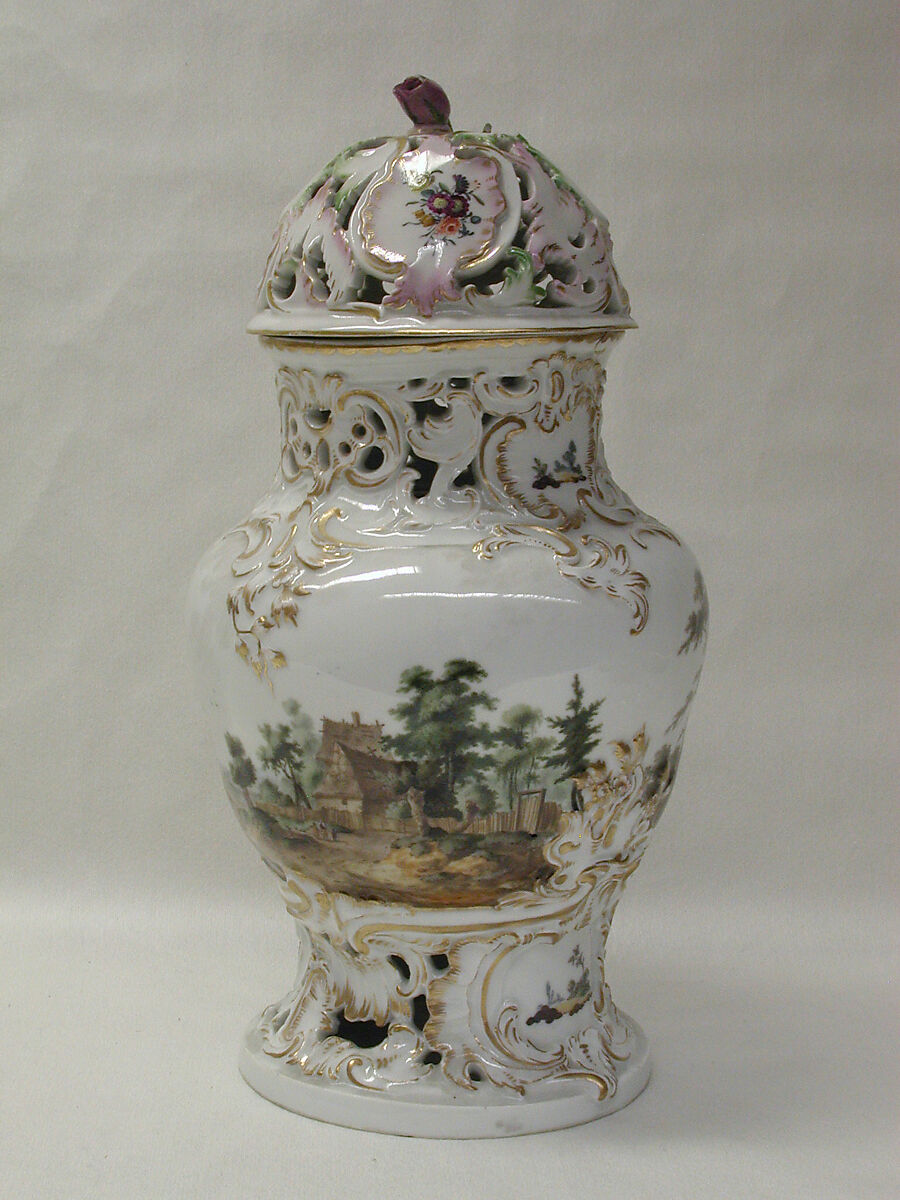
Fürstenberg Porcelain at a Glance
| Feature | Collector Reference |
|---|---|
| Manufactory | Porzellanmanufaktur FÜRSTENBERG. |
| Founded | 1747. |
| Location | Fürstenberg an der Weser, Lower Saxony, Germany. |
| Founder | Founded by order of Duke Carl I of Brunswick-Wolfenbüttel. |
| Historic factory mark | A blue letter F was ordered for Fürstenberg porcelain in 1753. |
| Modern trademark | The crowned blue F is the internationally recognised modern FÜRSTENBERG trademark. |
| Material | High-quality hard-paste porcelain. |
| Early production | Figurines, cups and saucers, plates, teapots, boxes, vases and luxury decorative wares. |
| Important early modeller | Simon Feilner, active at Fürstenberg during the formative Rococo period. |
| Main identification risk | Assuming every blue F or crowned-F mark indicates eighteenth-century production. |
| Value | Depends on exact period, model, artist or modeller, rarity, decoration, condition, restoration, completeness, provenance and genuinely comparable completed sales. |
The mark is the beginning of the research — not its end.
A blue F alone does not prove an exact date, authenticity or value.
Fürstenberg belongs within the wider history of
German porcelain,
alongside other major traditions such as Meissen, KPM Berlin, Nymphenburg, Dresden and the many Thuringian factories. Its long production history makes factory-specific research especially important.
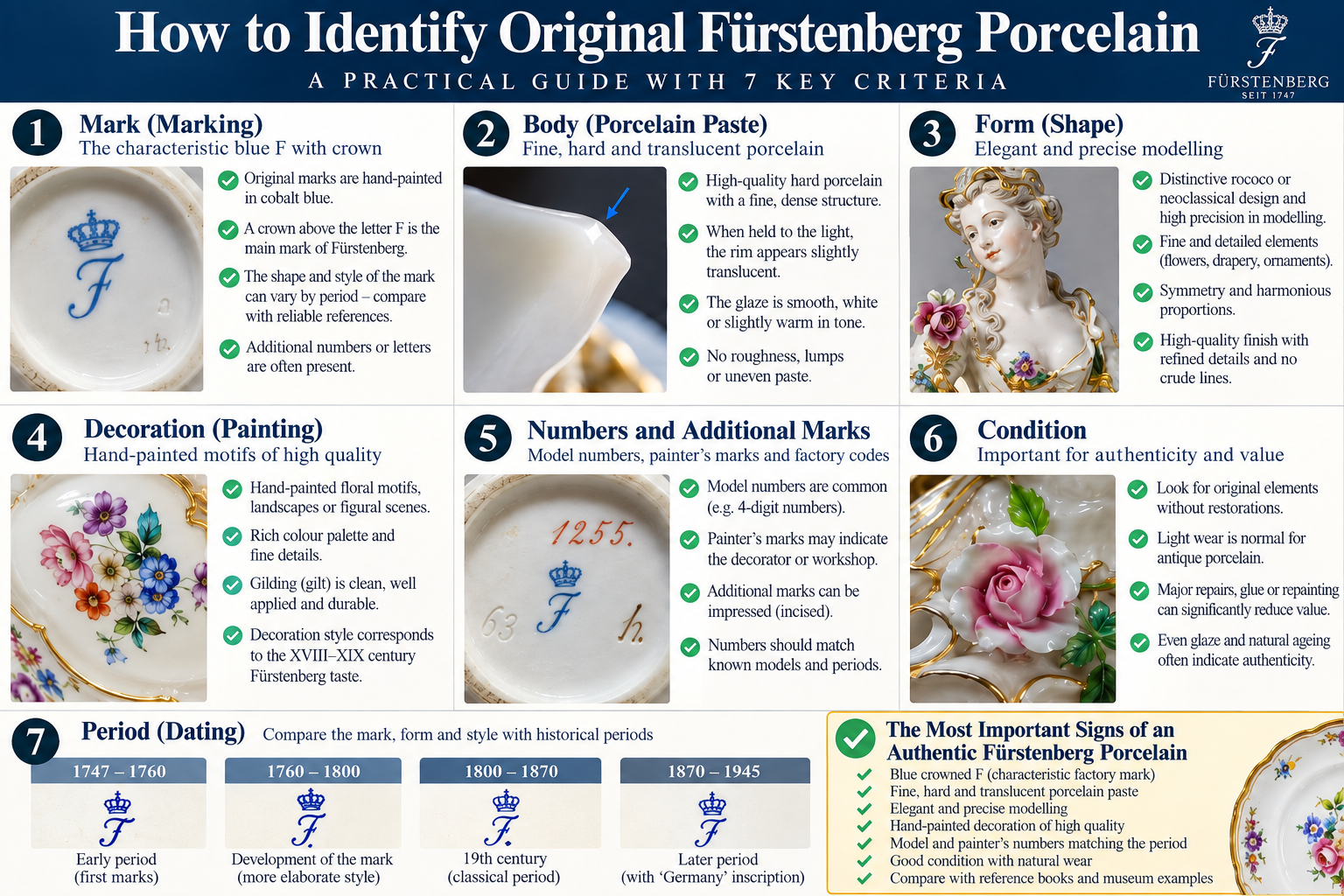
In This Guide
- What is Fürstenberg porcelain?
- History of the Fürstenberg manufactory
- The blue F mark from 1753
- Simon Feilner and early figurines
- Fürstenberg porcelain marks
- How to date Fürstenberg porcelain
- Porcelain body and manufacture
- Decoration and styles
- Types of Fürstenberg porcelain
- How to identify authentic Fürstenberg
- Fürstenberg vs Meissen
- Antique vs later production
- Condition and restoration
- Fürstenberg porcelain value
- Collector checklist
- FAQ
- Sources & Further Research
What Is Fürstenberg Porcelain?
Fürstenberg porcelain is porcelain produced by the historic Fürstenberg manufactory at Fürstenberg an der Weser in Lower Saxony, Germany. The manufactory was founded in 1747 and remains active today, making its history unusually long even by European porcelain standards.
Its production spans Rococo sculpture, eighteenth-century luxury tableware, Neoclassical and Empire designs, nineteenth-century collector cups, twentieth-century modernism and contemporary designer porcelain.
“Authentic Fürstenberg” means genuinely made by the Fürstenberg manufactory. It does not automatically mean eighteenth- or nineteenth-century antique porcelain. Genuine Fürstenberg has continued to be produced into the modern era.
This distinction is essential for collectors because the same historic manufactory may reproduce or reinterpret forms across very different periods. The factory name can remain correct while the assumed age is wrong.
History of the Fürstenberg Porcelain Manufactory
On 11 January 1747, Duke Carl I of Brunswick-Wolfenbüttel ordered the establishment of the porcelain manufactory at Fürstenberg. The enterprise developed during the European race to master and commercialise hard-paste porcelain following the breakthrough achieved at Meissen earlier in the century.
By 1753, Fürstenberg had reached a decisive point in its history: the Duke ordered that the manufactory’s porcelain should in future be marked with a blue F.
| Date / Period | Historical Development | Collector Importance |
|---|---|---|
| 1747 | Duke Carl I orders the establishment of the porcelain manufactory at Fürstenberg. | The foundation date of the factory tradition. |
| 1753 | The Duke orders porcelain pieces to be marked with a blue F. | The blue F becomes the central historic identification clue. |
| 1750s | Early figural production develops, including models by Simon Feilner. | A major period for specialist collectors of early Fürstenberg sculpture. |
| 1760s–1770s | Tableware, cups, teapots, decorative vessels, boxes and sculptural forms expand. | Many museum-documented early forms date from this period. |
| Second half of the 18th century | Vases become an important commercial category; Fürstenberg develops a strong market presence. | Decorative porcelain becomes increasingly important. |
| From around 1780 | Neoclassical design becomes more prominent. | Useful stylistic evidence when dating late eighteenth-century objects. |
| c. 1805 | Louis Victor Gerverot develops the EMPIRE design during his period as manufactory manager. | Provides a stylistic anchor for early nineteenth-century production. |
| 19th century | Collector cups, service wares and new decorative forms become commercially important. | Original Fürstenberg production continues beyond the Rococo era. |
| 1859 | The ducal manufactory is leased to private operators. | An important change in company administration. |
| 1888 | The enterprise becomes a public limited company. | Corporate history changes while factory production continues. |
| 1906 | An external painting facility is founded in Dresden. | Important context for twentieth-century decoration. |
| 1930s | Fürstenberg embraces more functional modern design; the WAGENFELD range becomes an important example. | Shows that genuine Fürstenberg is not limited to historic revival styles. |
| 1952 | The FÜRSTIN service reflects post-war demand for refined functional tableware. | A recognisable twentieth-century design period. |
| 21st century | Fürstenberg continues producing contemporary designer tableware and interior objects. | Modern pieces can be completely genuine Fürstenberg. |
Fürstenberg has been producing porcelain for more than 275 years. A factory attribution and an age attribution are therefore two separate questions.
The Blue F: Fürstenberg’s Historic Factory Mark
The year 1753 is fundamental to Fürstenberg mark research. Official factory history records that Duke Carl I ordered all future porcelain items to be marked with a blue F.
The letter F became the defining visual identity of the manufactory. Over a long production history, however, the exact appearance of marks changed. Letter shape, additional symbols, crowns, printed wording, impressed numbers and country-of-origin information can all matter.
The official history documents the blue F from 1753. The crowned blue F is the internationally recognised modern trademark. Do not assume that every eighteenth-century Fürstenberg piece should carry exactly the same crowned-F design seen on modern porcelain.
Simon Feilner and Early Fürstenberg Figurines
Simon Feilner is one of the most important names in early Fürstenberg figural porcelain. The manufactory’s own history continues to celebrate his Commedia dell’Arte figures, and museum collections preserve important eighteenth-century examples.
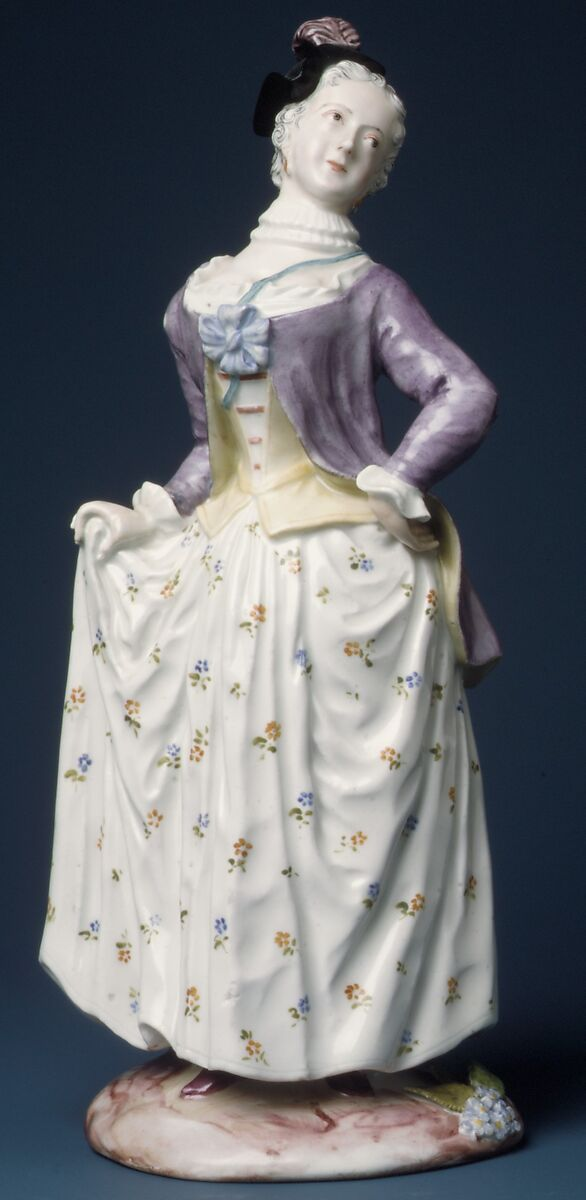
The Metropolitan Museum of Art dates Ragonda to circa 1754 and identifies Simon Feilner as the modeller. This makes the figure an especially useful reference for the formative years of Fürstenberg sculpture.
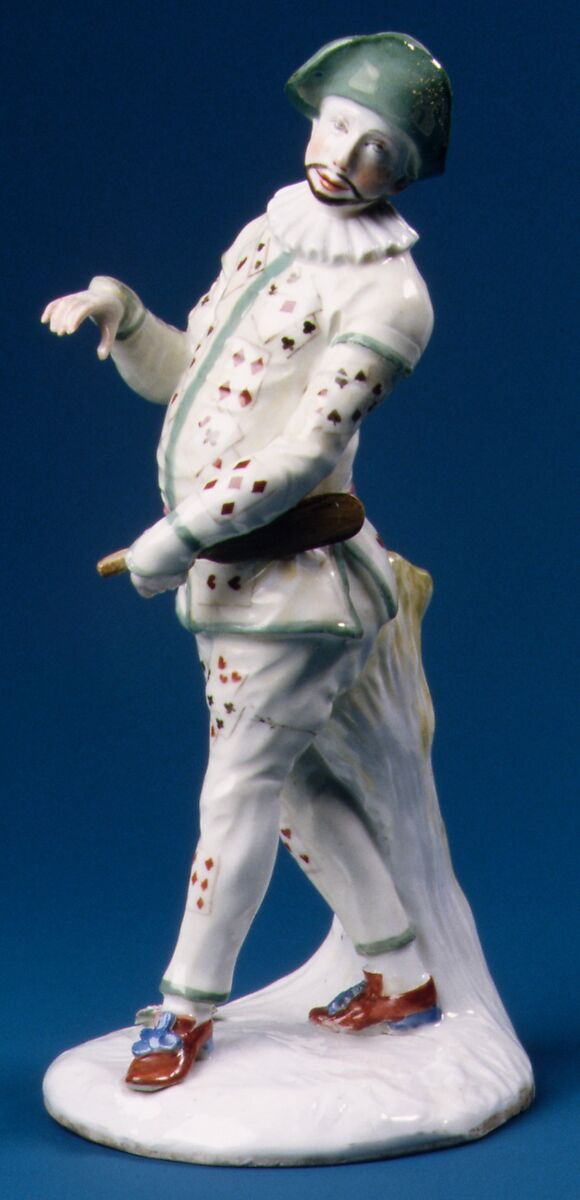
The date of a porcelain model and the date of an individual example can differ. A model created around 1754 may have been produced again later. Always date the actual object, not merely the design.
Fürstenberg Porcelain Marks and Backstamps
The search term Fürstenberg porcelain marks sounds simple, but the factory’s long history makes mark identification more complicated than finding a single logo.
Collectors should photograph the entire underside and record the main F mark together with every crown, dot, line, letter, impressed number, painter’s code, decoration number, country wording and later label.
For the broader process, use our
Porcelain Marks & Backstamps Identification Guide.
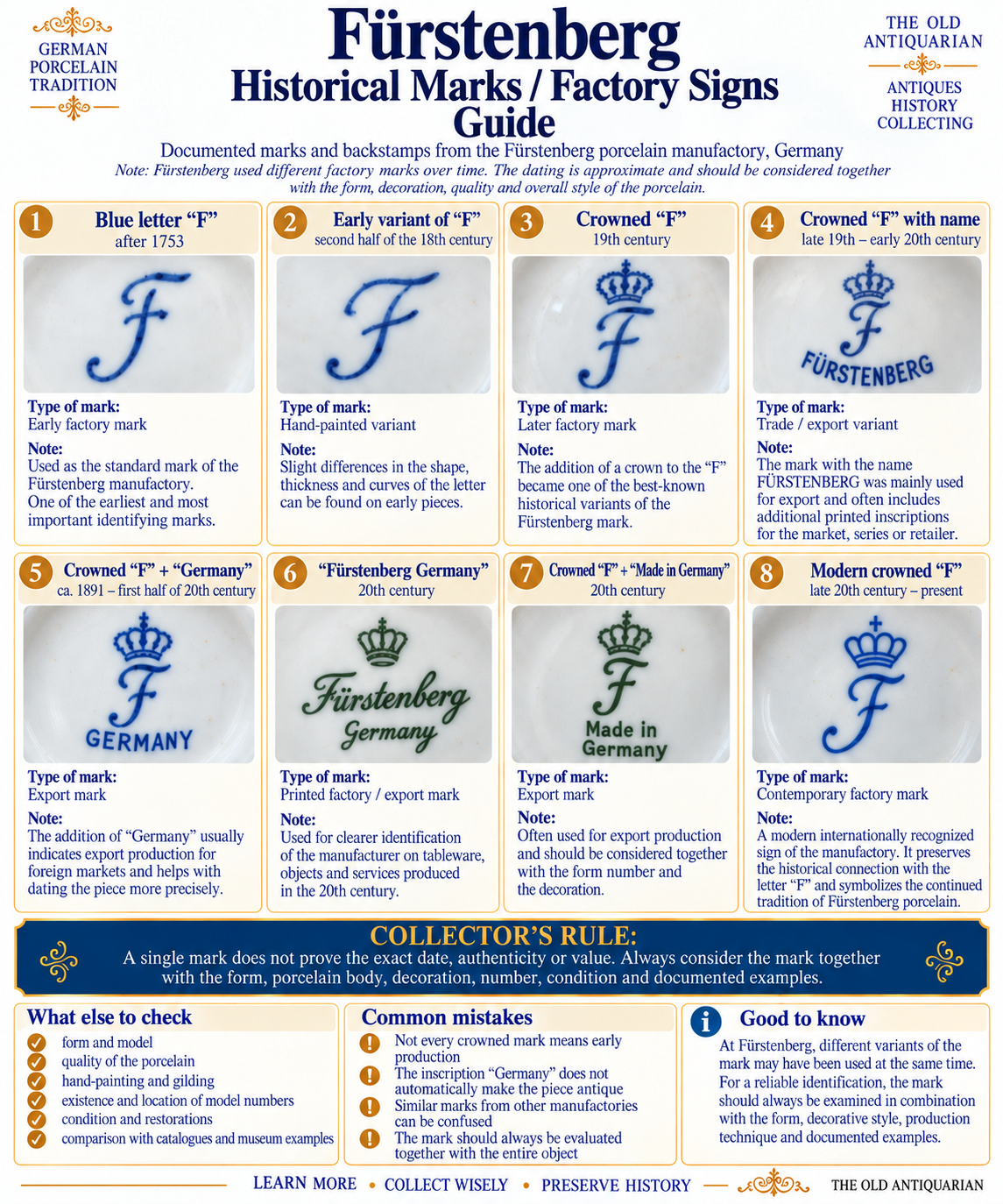
Fürstenberg Mark Periods
The factory’s official history establishes the blue F from 1753. Specialist mark references additionally distinguish several later variants and date ranges useful for orientation.
| Reference Period | Collector Use | Important Caution |
|---|---|---|
| 1753–1760 | A specialist mark reference documents an early Fürstenberg mark for this period. | Compare the exact handwritten form and object with documented early examples. |
| 18th century | Early blue F marks may show handmade variation. | Do not use a modern crowned-F logo as the template for every eighteenth-century mark. |
| 1820–1860 | A specialist reference identifies a distinct mark variant for this range. | The mark should agree with nineteenth-century form and decoration. |
| 1860–1900 | Another documented mark family is associated with later nineteenth-century production. | Check additional numbers and manufacturing context. |
| 1918–1966 | More standardised twentieth-century factory marking. | Authentic Fürstenberg does not mean antique eighteenth-century production. |
| 1966–2006 | Later factory mark system. | Useful for separating vintage production from early antiques. |
| From 2007 | Contemporary Fürstenberg mark documented by specialist references. | Modern genuine production should not be misrepresented as antique. |
exact mark variant + body + form + decoration + numbers + production history + condition + documented comparison
What Does the Crowned F Mean?
Today, the crowned blue F is Fürstenberg’s internationally recognised trademark. The manufactory itself describes porcelain bearing the crowned blue F as its distinctive “Made in Germany” identity.
For collectors, however, the correct question is not simply “Does it have a crown and F?” but rather:
Does this exact mark variant belong to the period suggested by the object?
What Do Numbers on Fürstenberg Porcelain Mean?
A Fürstenberg object may carry model, form, painter’s, decoration or production numbers. Their function can vary by period.
Never assume that a four-digit or impressed number is automatically a year. Record the number exactly and compare it with documented factory information whenever possible.
How to Date Fürstenberg Porcelain
Dating Fürstenberg is best approached as a multi-factor investigation. The factory mark is usually the first clue, but the proposed period must also make sense for the shape, decoration, porcelain body, manufacturing quality and secondary markings.
For the general methodology, see
How to Date Antique Porcelain.
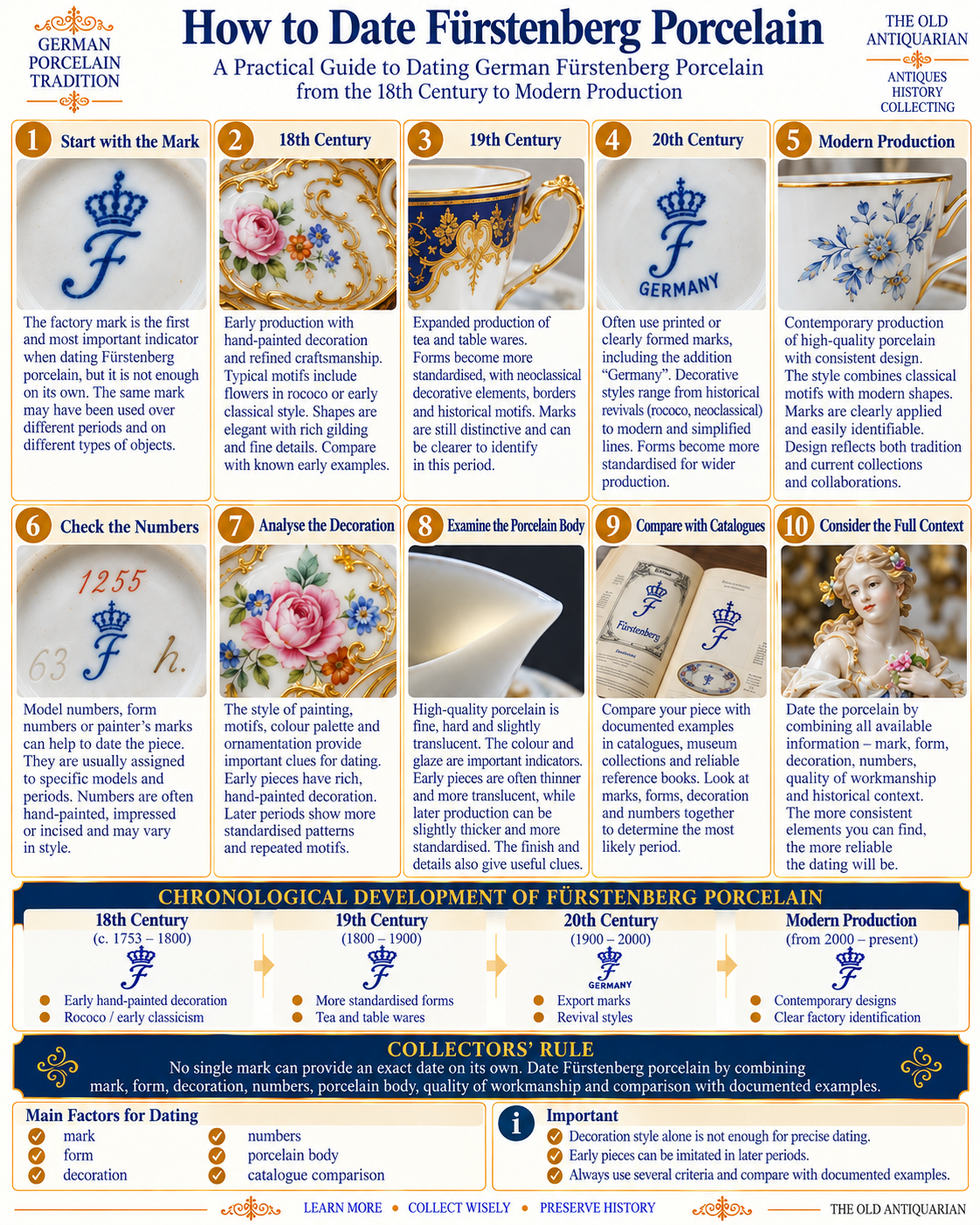
| Dating Clue | What It Can Tell You | What It Cannot Prove Alone |
|---|---|---|
| Exact F mark | May place an object within a documented factory period. | One exact production year. |
| Crown | Can help identify later trademark systems. | That the object is eighteenth century. |
| Form | May support Rococo, Neoclassical, Empire, Historicist or Modernist dating. | A date based solely on artistic style. |
| Numbers | May represent a form, model, decoration or factory code. | That the number is a date. |
| Decoration | Can support a proposed production period and technique. | Factory attribution by itself. |
| Porcelain body | Quality and construction may support Fürstenberg attribution. | A narrow date without other evidence. |
| Germany wording | Can provide useful export and chronological context on later pieces. | One universal date for all objects carrying the wording. |
| Wear | Can be consistent with long use and handling. | Age on its own. |
Documented Eighteenth-Century Fürstenberg Examples
Museum objects provide one of the strongest ways to understand what genuine period Fürstenberg actually looks like. They are much more useful than anonymous marketplace listings labelled simply “old Fürstenberg.”
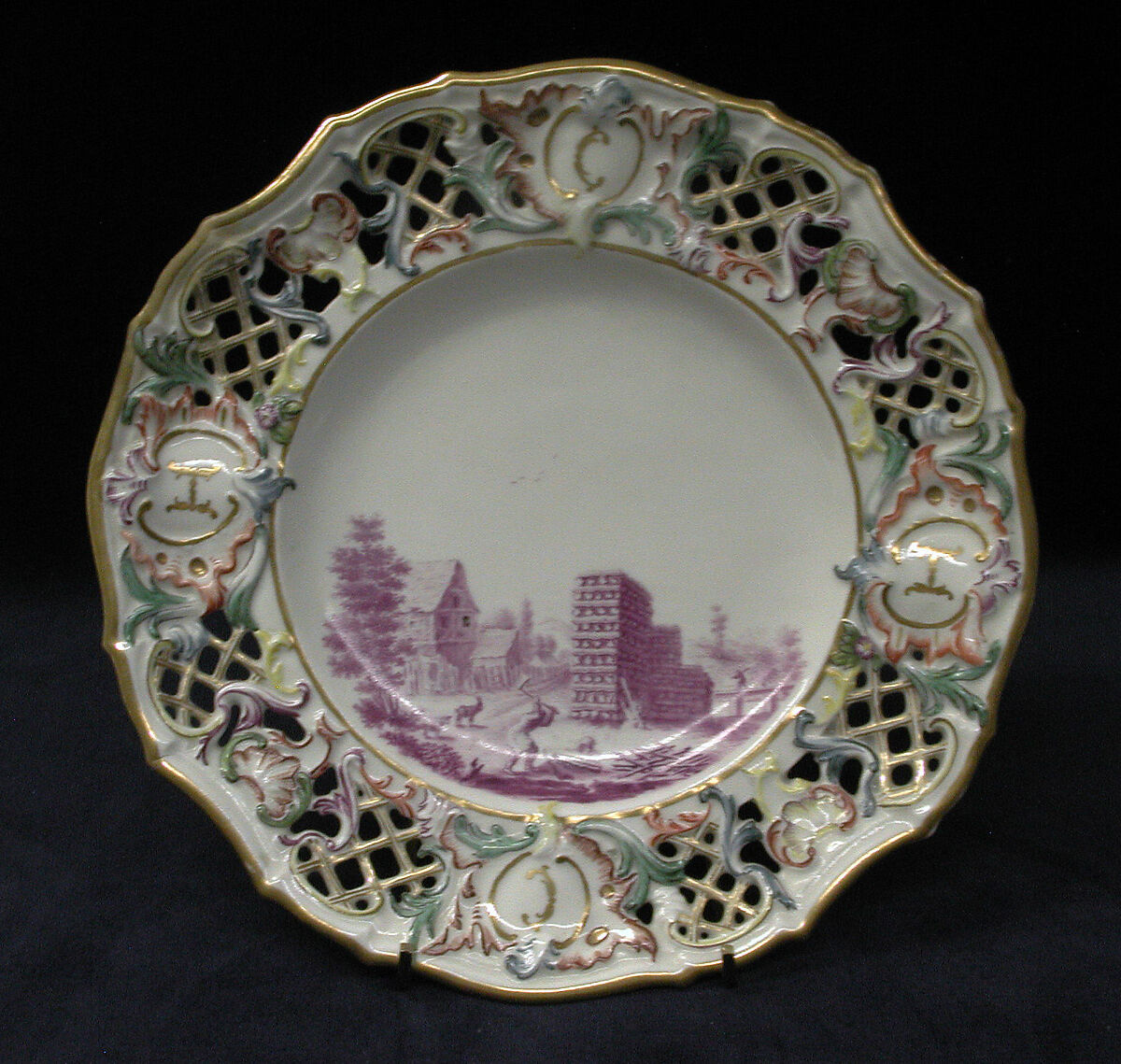
The plate demonstrates the refinement already achieved by the manufactory in the 1750s: controlled hard-paste porcelain, elaborate form and sophisticated painted decoration.
Porcelain Body, Glaze and Workmanship
The Metropolitan Museum of Art identifies the documented early Fürstenberg pieces in this guide as hard-paste porcelain.
When examining an unidentified object, look at the body colour, density, firing quality, exposed foot, glaze, translucency where appropriate and finishing of hidden areas.
A mark may be copied. Convincingly reproducing the entire technological and artistic character of a period object is much more difficult.
The porcelain body should support the attribution suggested by the mark. If material, glaze or construction appear inconsistent, investigate further before accepting the backstamp.
For a broader examination method, continue to
How to Identify Antique Porcelain.
Fürstenberg Decoration and Style
Because Fürstenberg has operated across multiple centuries, there is no single “Fürstenberg style.”
Early production reflects the Rococo period. Later eighteenth-century design increasingly absorbed Neoclassical ideas. Around the beginning of the nineteenth century, Empire design became significant, while later decades introduced collector cups, Historicist forms, functional modernism and contemporary design.
| Period / Style | Typical Collector Clues | Common Mistake |
|---|---|---|
| Rococo | Curving forms, sculptural handles, figurines, flowers, gilding and playful ornament. | Assuming every Rococo-looking piece was made in the 1750s. |
| Neoclassical | Cleaner geometry, greater symmetry and references to Classical antiquity. | Dating only from silhouette without checking the mark. |
| Empire | Architectural, Classical and more monumental design language. | Confusing a later revival with original early nineteenth-century production. |
| 19th century | Collector cups, tableware and increasingly standardised commercial forms. | Calling all hand-painted pieces eighteenth century. |
| Early 20th century | Factory standardisation alongside decorative and revival styles. | Ignoring printed or later production marks. |
| Modernism | Cleaner functional forms, including Wagenfeld-associated design. | Assuming genuine Fürstenberg must look Rococo. |
| Contemporary | Designer tableware, highly refined bodies and modern collaborations. | Confusing quality with antique age. |
Fürstenberg Cups, Saucers and Tea Wares
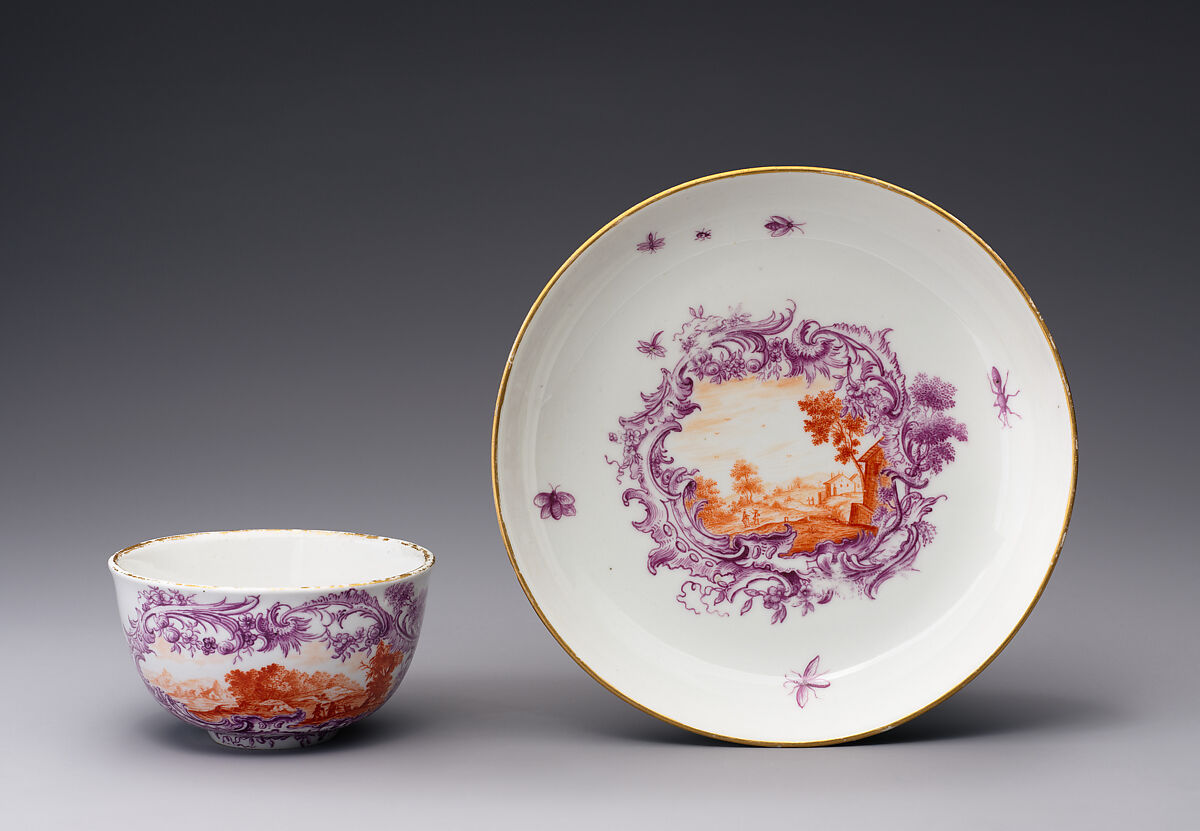
Tableware is central to the Fürstenberg tradition. When dating a cup or saucer, compare the profile, handle construction, foot, rim, gilding, painted decoration and factory mark rather than relying on one feature.
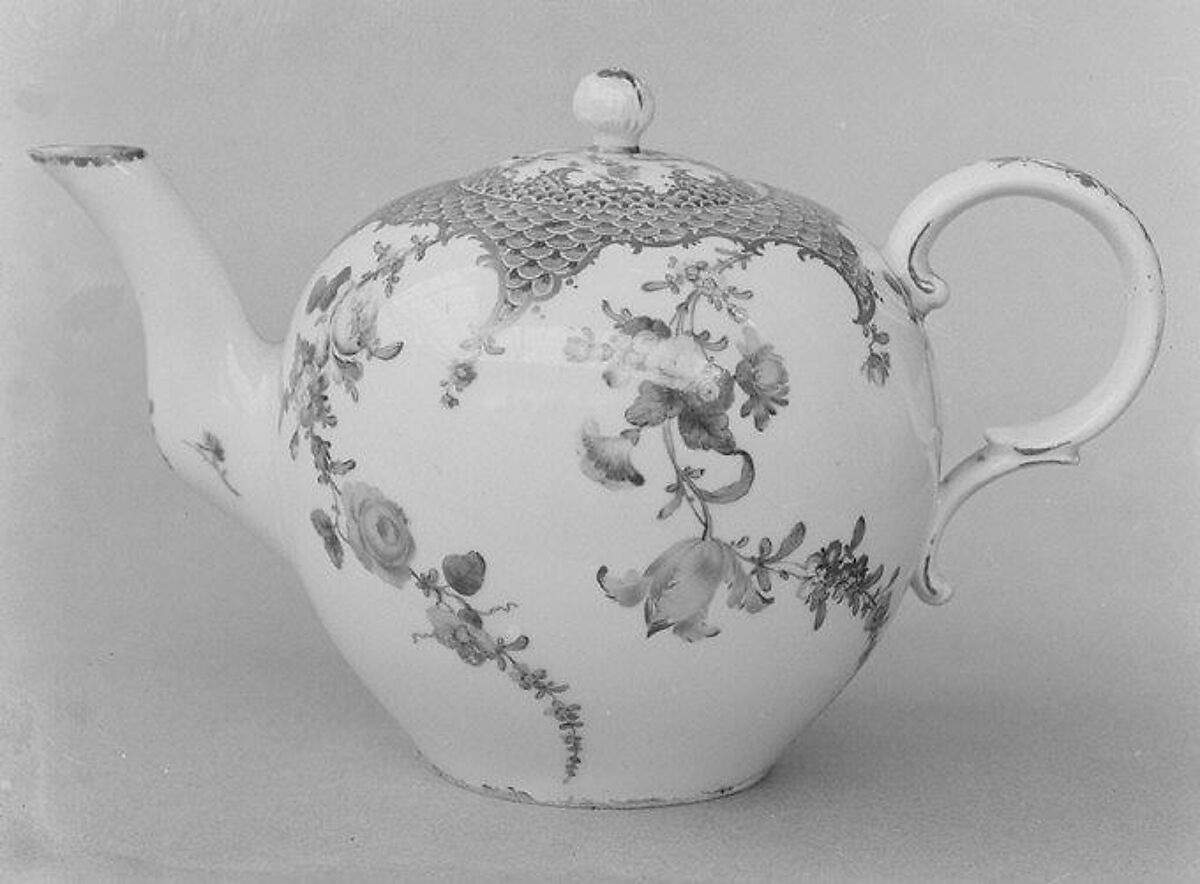
On teapots and coffee pots, examine the lid, finial, spout, handle junctions and foot carefully. Replacement lids and restored handles can materially affect both historical integrity and market value.
Rare and Decorative Fürstenberg Forms
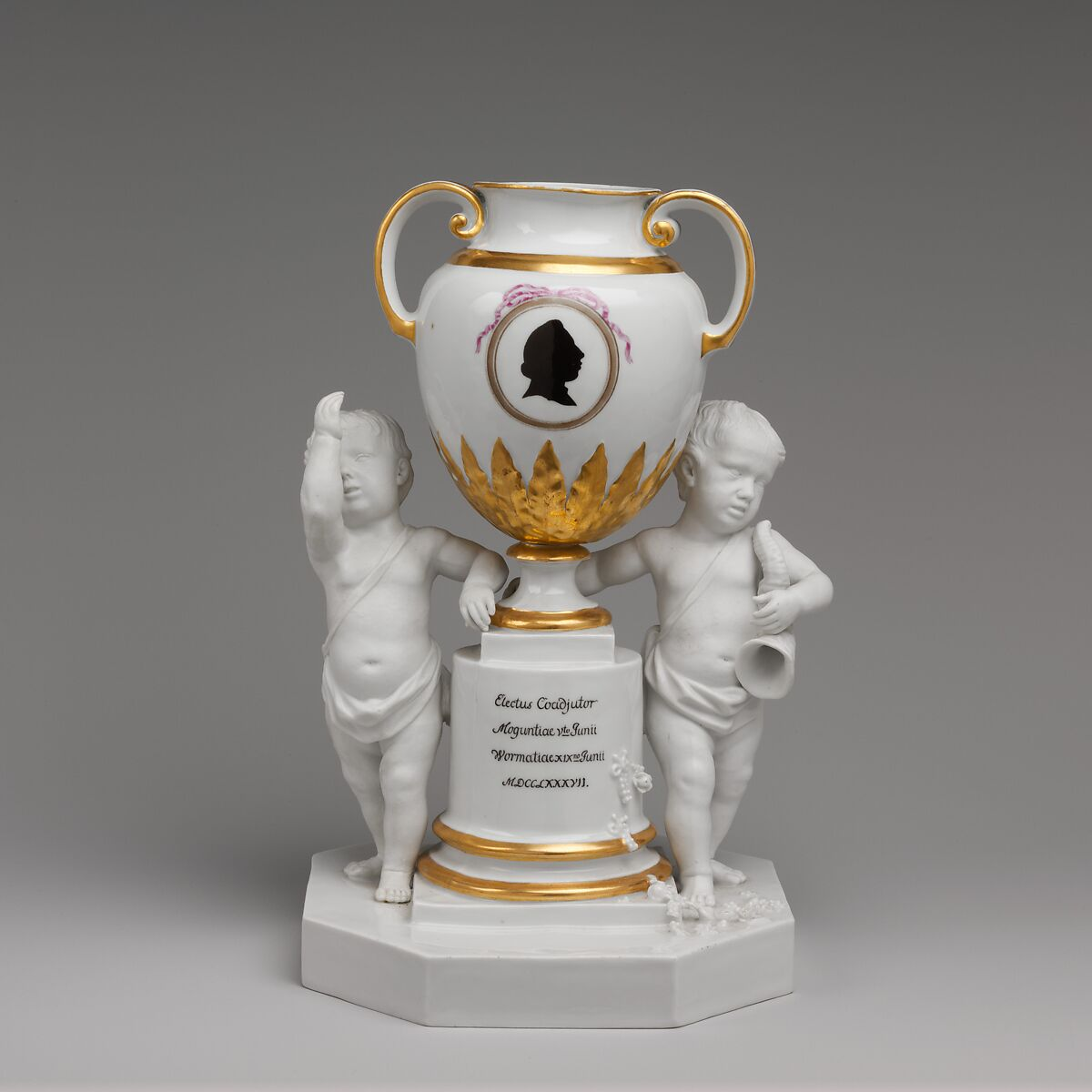
The manufactory’s output extends far beyond dinner services. Small luxury objects can be particularly useful for understanding eighteenth-century technical and decorative ambition.
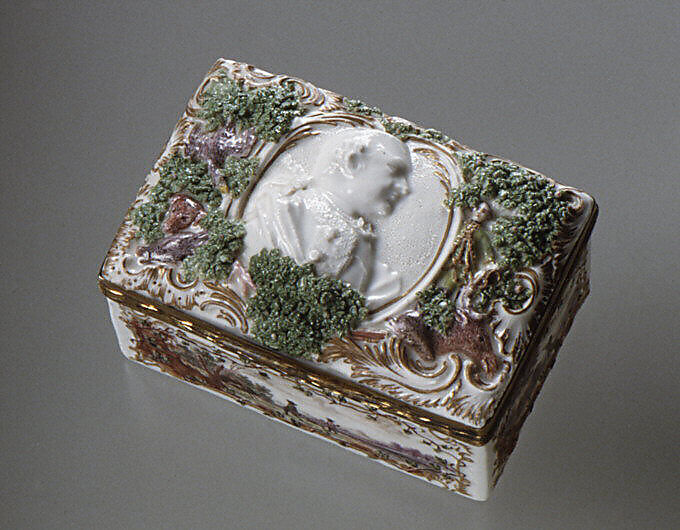
Small boxes may combine porcelain with metal mounts, making completeness especially important. A replacement hinge, altered mount or mismatched lid can change the way the object should be described and valued.
20 Types of Fürstenberg Porcelain Objects
Fürstenberg production includes both functional tableware and sculptural or decorative porcelain. Understanding the object category is often the first step toward finding the correct comparison.
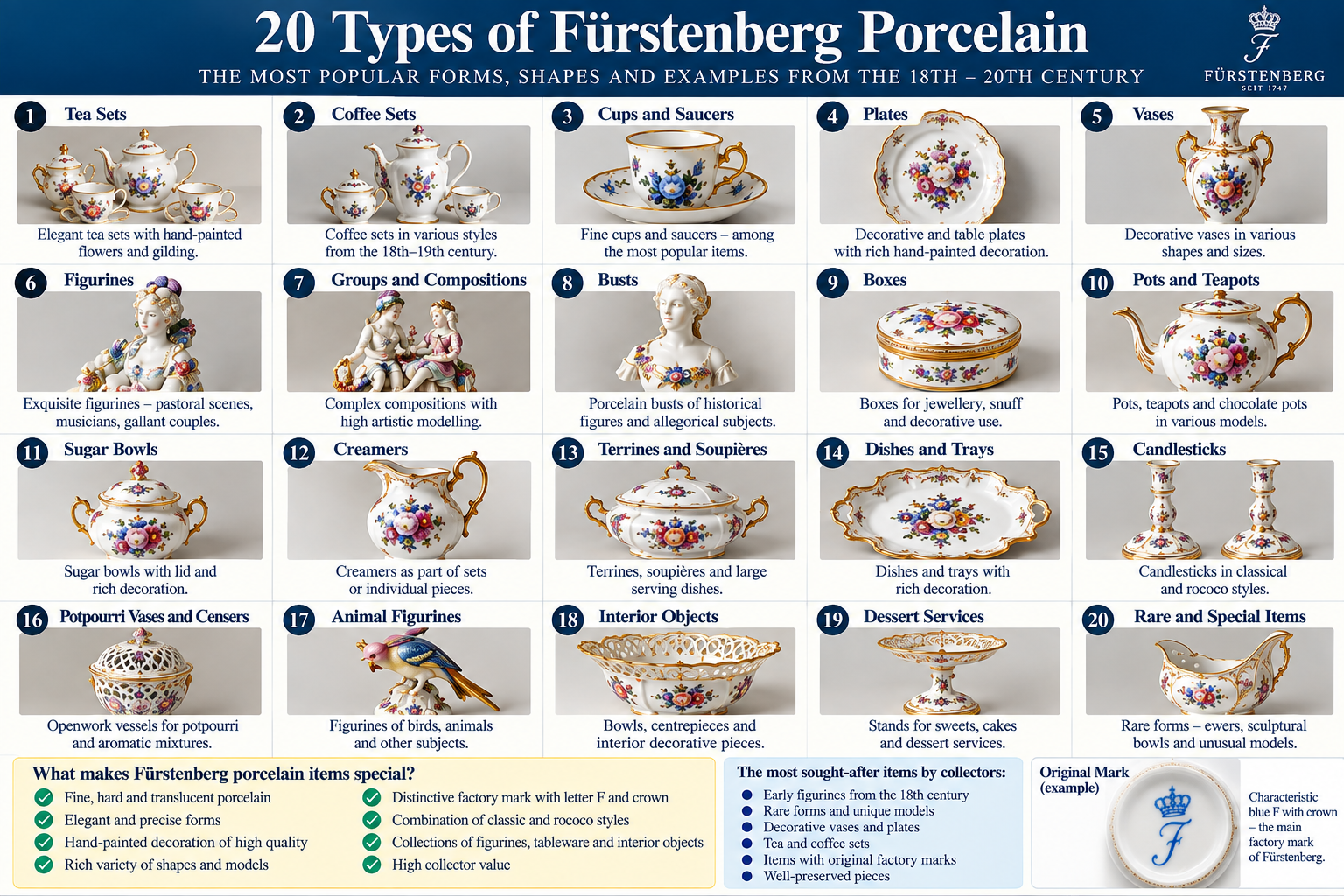
| Object Type | Collector Focus |
|---|---|
| Tea & coffee services | Completeness, matching marks, form, decoration and replacement pieces. |
| Cups & saucers | Handle profile, foot, gilding, matching decoration and factory marks. |
| Plates | Rim shape, painted centre, gilding, factory mark and scratching. |
| Teapots & coffee pots | Lid, finial, spout, handle and restoration. |
| Vases | Handles, neck, rim, gilding, decoration, base and model history. |
| Figurines | Modeller, model, fingers, flowers, accessories and restoration. |
| Figure groups | Complexity, completeness and model identification. |
| Boxes & snuffboxes | Original mounts, hinge, lid, painting and matching components. |
| Terrines & serving pieces | Lids, finials, handles, matching service and condition. |
| Decorative interior objects | Design period, artist attribution, structural condition and provenance. |
How to Identify Authentic Fürstenberg Porcelain
Record the front, back, sides, top and every important detail.
Do not crop out impressed numbers, painter’s marks, country wording or labels.
Compare the letter shape, crown if present, colour, application method and additional wording.
The body, glaze and firing quality should make sense for genuine Fürstenberg production.
Handles, rims, feet, lids, sculptural anatomy and proportions can help establish a production period.
Determine whether painting, printing, gilding and ornament are consistent with the proposed date.
Do not guess what a number means without factory documentation.
Look for cracks, regilding, repainting, replaced parts and old repairs.
The mark, form, body and decoration should point toward the same broad date range.
Prefer factory history, museum collections and serious specialist references over anonymous seller descriptions.
mark + body + form + decoration + numbers + period + condition + documented comparison
Fürstenberg vs Meissen Porcelain
Fürstenberg and Meissen are separate historic German manufactories. They share a tradition of high-quality hard-paste porcelain but have different histories, marks and artistic identities.
Meissen
was founded in Saxony in 1710. Its crossed-swords trademark was introduced in 1722. Fürstenberg was founded in 1747, and the blue F was ordered as its factory mark in 1753.
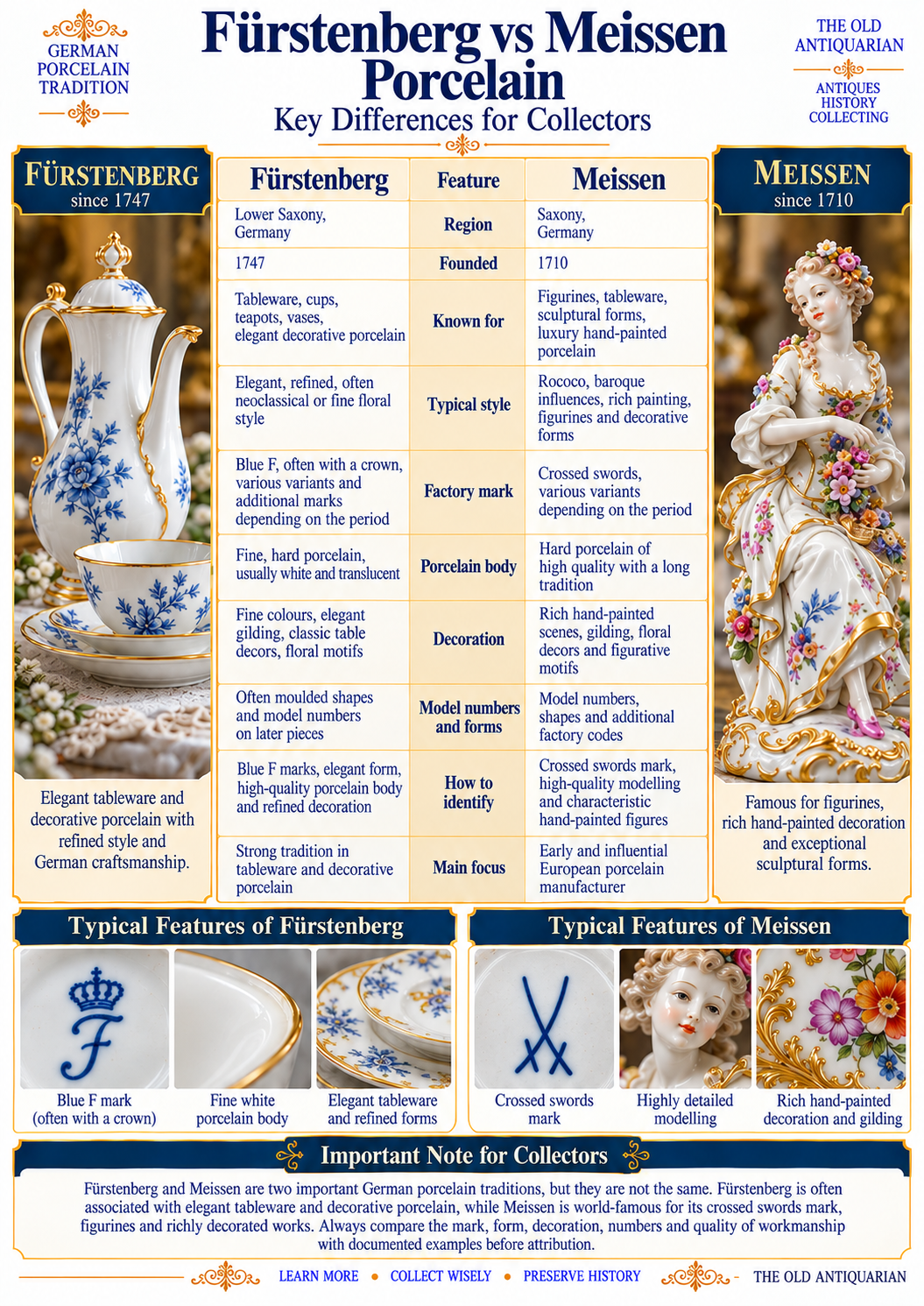
| Feature | Fürstenberg | Meissen |
|---|---|---|
| Founded | 1747 | 1710 |
| Region | Fürstenberg an der Weser, Lower Saxony | Meissen, Saxony |
| Historic identifying mark | Blue F ordered in 1753. | Crossed swords introduced in 1722. |
| Material | Hard-paste porcelain. | Hard-paste porcelain. |
| Important early production | Tableware, figures, vases, boxes and luxury decorative forms. | Tableware, monumental services, figures, animals and luxury decorative porcelain. |
| Major identification risk | Assuming any F mark means early Fürstenberg. | Assuming any crossed-swords mark proves Meissen. |
| Correct method | Exact F + body + form + decoration + numbers + period. | Exact sword variant + body + model + decoration + numbers + period. |
Collectors researching royal German manufactories should also compare Fürstenberg with
KPM Berlin,
which became the Royal Porcelain Manufactory of Berlin in 1763 and is identified by its blue sceptre.
For a broader Saxon context, our
Dresden Porcelain Guide
explains why “Dresden” describes a wider manufacturing and decorating tradition rather than one single factory.
Antique vs Later Fürstenberg Production
One of the most important Fürstenberg questions is whether an object is early antique production, later genuine factory production, modern production or simply misattributed.
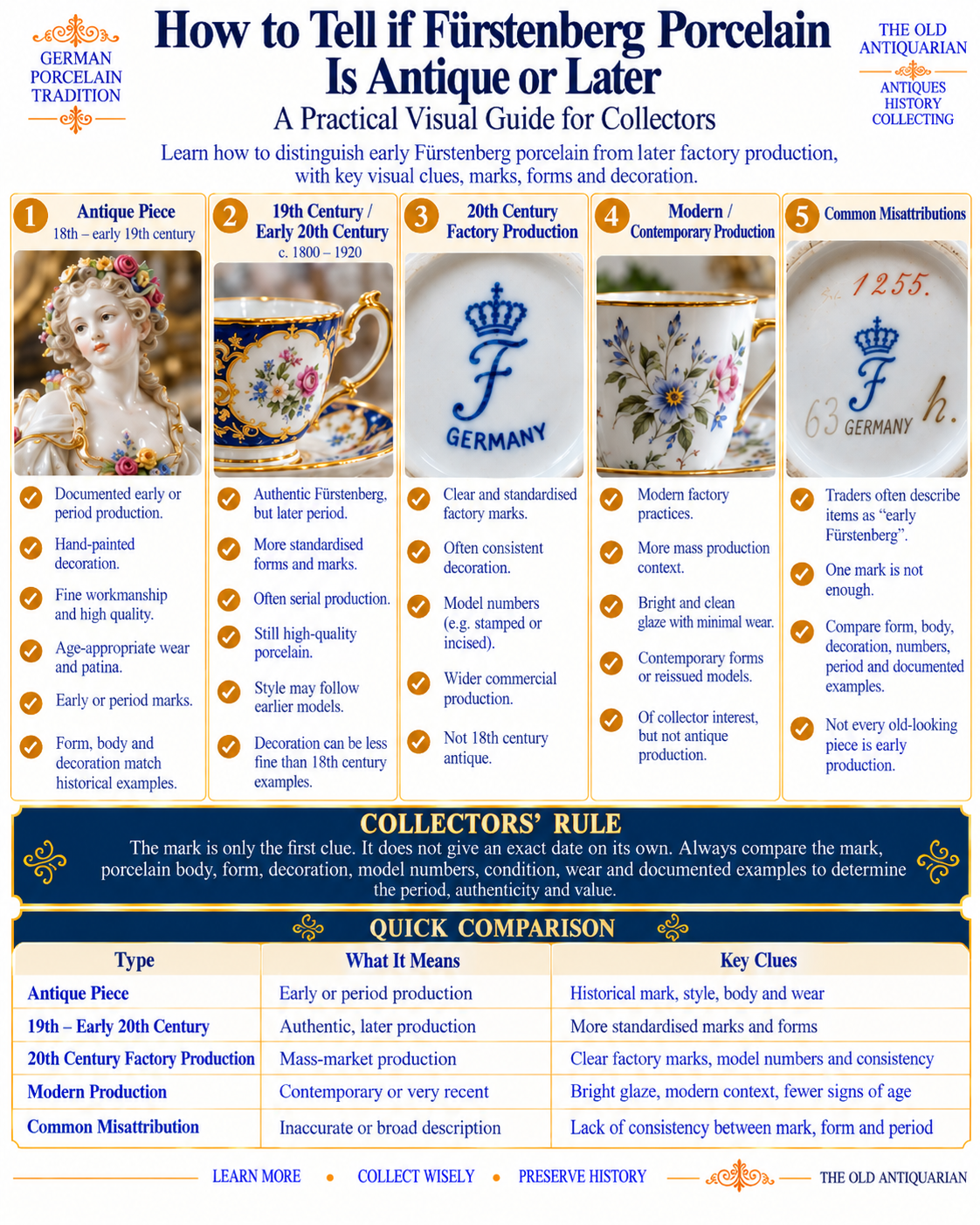
| Category | What It Means | Key Evidence |
|---|---|---|
| Early antique Fürstenberg | The individual object was manufactured during an early historic production period. | Period-correct mark, body, form, decoration and documented comparison. |
| 19th-century production | Genuine Fürstenberg from a later historic period. | Mark variant, form and decoration should correspond to nineteenth-century production. |
| 20th-century factory production | Authentic Fürstenberg, often with more standardised marks and model systems. | Factory mark, model numbers and documented design period. |
| Modern Fürstenberg | Contemporary production by the continuing manufactory. | Modern crowned-F trademark and current design context. |
| Misattributed piece | An object called Fürstenberg without sufficient supporting evidence. | Lack of agreement between mark, body, form, decoration and period. |
A modern cup can be completely authentic Fürstenberg while having no claim to eighteenth- or nineteenth-century age.
Condition and Restoration
Condition can dramatically affect the desirability of Fürstenberg porcelain, particularly early figures, complex vases, boxes and service wares with vulnerable projecting components.
| Area | Typical Issue | Why It Matters |
|---|---|---|
| Figurines | Broken fingers, flowers, feathers, instruments and accessories. | Small losses can affect completeness and collector interest. |
| Vases | Handles, necks, rims, finials and restored gilding. | Prominent repair can alter both appearance and value. |
| Teapots | Damaged spouts, handles, lids and internal cracks. | Original lids and structural integrity are important. |
| Cups | Handle repairs, hairlines, rim chips and worn gilding. | Common condition points on frequently handled objects. |
| Plates | Rim chips, cracks and surface scratching. | Central painted decoration may also show wear. |
| Boxes | Hinge repairs, replacement mounts and mismatched lids. | Original construction is important for historical integrity. |
| Base | Grinding, altered marks, filling or repainting. | The underside may contain crucial identification evidence. |
Do not aggressively clean, reglaze, repaint or repair an important piece before completing the identification process. Evidence on the base, old labels and previous restoration can all contribute to understanding the object.
Fürstenberg Porcelain Value
There is no meaningful universal price for “Fürstenberg porcelain.” A documented eighteenth-century Feilner figure, a nineteenth-century collector cup, a twentieth-century service and a contemporary designer object belong to very different markets.
Use genuinely comparable completed sales rather than optimistic dealer or marketplace asking prices.
exact maker + production period + model + artist / modeller + form + size + decoration + rarity + condition + restoration + completeness + provenance + comparable completed sales
| Value Factor | Why It Matters |
|---|---|
| Production period | Early and later Fürstenberg objects belong to different collecting categories. |
| Model / modeller | Documented historical models and recognised artists may attract specialist interest. |
| Rarity | An unusual form can be more desirable than common serial production. |
| Decoration | Quality of hand painting, gilding and specialist decoration matters. |
| Condition | Cracks, chips and losses can materially affect demand. |
| Restoration | The location, extent and quality of repair are important. |
| Completeness | Original lids, matching saucers and complete services can be significant. |
| Provenance | Reliable ownership or collection history may strengthen historical interest. |
| Completed sales | Actual realised prices provide stronger market evidence than asking prices. |
For the broader framework, continue to our
Complete Antique Porcelain Guide
or request a
Professional Antique Valuation.
If you are considering selling Fürstenberg porcelain, another German porcelain piece or an inherited collection, you can also use our
We Buy Antiques
service.
Fürstenberg Collector Checklist
- Photograph the complete object from several angles.
- Photograph the entire underside.
- Record the exact shape of the F mark.
- Note whether a crown is present.
- Record all country wording and factory text.
- Photograph impressed, painted and printed numbers.
- Determine whether the mark is underglaze, overglaze, printed or impressed.
- Examine the porcelain body and exposed foot.
- Study handles, rims, feet, lids and sculptural anatomy.
- Distinguish hand painting from printed decoration.
- Check gilding for wear, regilding and restoration.
- Do not treat every number as a date.
- Compare the exact mark with documented period examples.
- Compare the form with museum or factory examples.
- Inspect for cracks, chips and restoration.
- Separate genuine later Fürstenberg from antique production.
- Establish the production period before estimating value.
- Use completed comparable sales rather than asking prices.
Do You Have Fürstenberg Porcelain?
Send clear photographs of the complete object, the full underside, every factory mark and number, dimensions, decoration and any visible damage or restoration. These details provide the strongest starting point for identification, valuation or a potential purchase enquiry.
Porcelain · Figurines · Tea & Coffee Services · Vases · Decorative Arts · Private Collections
Fürstenberg Porcelain FAQ
When was Fürstenberg porcelain founded?
The Fürstenberg porcelain manufactory was founded in 1747 at Fürstenberg an der Weser by order of Duke Carl I of Brunswick-Wolfenbüttel.
What is the Fürstenberg porcelain mark?
The historic factory identity is based on the blue letter F, which Duke Carl I ordered to be used on Fürstenberg porcelain in 1753. Later mark variants evolved, and the crowned blue F is the modern trademark strongly associated with the manufactory today.
Does every crowned F mark mean antique Fürstenberg?
No. The crowned blue F is also associated with later and contemporary Fürstenberg production. The exact mark variant must be compared with the form, decoration, numbers and production period.
Is every genuine Fürstenberg piece antique?
No. Fürstenberg has continued producing porcelain into the twenty-first century. A modern object may be completely authentic Fürstenberg without being antique.
How do I date Fürstenberg porcelain?
Compare the exact mark variant with the porcelain body, form, decoration, model or painter’s numbers, country wording, workmanship, condition and documented factory or museum examples.
What do the numbers on Fürstenberg porcelain mean?
Depending on the production period, numbers may refer to forms, models, decorations, painters or factory production systems. They should not automatically be interpreted as dates.
Is Fürstenberg the same as Meissen?
No. Meissen was founded in Saxony in 1710 and is famous for its crossed-swords mark. Fürstenberg was founded in 1747 and developed its own factory tradition centred on the blue F mark.
What is Fürstenberg porcelain made from?
Historic museum examples from the eighteenth century are documented as hard-paste porcelain, and the manufactory remains known for refined high-quality porcelain production.
Are Fürstenberg figurines valuable?
Some early, rare or well-documented figures can attract significant specialist interest. Value depends on the model, production period, modeller, rarity, condition, restoration and comparable completed sales.
How can I tell antique Fürstenberg from later production?
Identify the exact mark variant, then test the proposed period against the form, material, decoration, numbers and documented design history. An old-fashioned Rococo appearance does not prove eighteenth-century manufacture.
Can I sell Fürstenberg porcelain to The Old Antiquarian?
The Old Antiquarian considers porcelain, ceramics and other antique and collectible objects for purchase. Send photographs of the complete object, underside, marks, numbers, dimensions and condition through our
We Buy Antiques
page.
Related German Porcelain & Identification Guides
Sources & Further Research
The chronology and object identifications in this guide have been checked against the official Fürstenberg manufactory history and museum records. Specialist mark references are useful for comparing historical backstamps, but any proposed date should be tested against the complete object.
-
Porzellanmanufaktur FÜRSTENBERG – Official History
– foundation in 1747, introduction of the blue F in 1753, eighteenth- to twenty-first-century production history and major design periods. -
FÜRSTENBERG – Official FAQ
– current identification information and the crowned blue F trademark. -
FÜRSTENBERG – Craftsmanship
– contemporary manufactory production, material quality and craftsmanship. -
The Old Stuff – Fürstenberg Marks
– specialist secondary reference for historical mark variants and approximate dating ranges. -
The Metropolitan Museum of Art – Ragonda, ca. 1754
– Fürstenberg, modelled by Simon Feilner, hard-paste porcelain. -
The Metropolitan Museum of Art – Harlequin, 1764
– Fürstenberg, after a model of circa 1754 by Simon Feilner. -
The Metropolitan Museum of Art – Dessert Plate, ca. 1758
– early Fürstenberg hard-paste porcelain. -
The Metropolitan Museum of Art – Cup and Saucer, ca. 1760–1770
. -
The Metropolitan Museum of Art – Teapot, ca. 1760–1770
. -
The Metropolitan Museum of Art – Snuffbox, ca. 1760
. -
The Metropolitan Museum of Art – Potpourri Vase, ca. 1766
. -
The Metropolitan Museum of Art – Vase, 1787
. -
MEISSEN – Crossed Swords History
– official reference for the introduction of Meissen’s crossed-swords trademark in 1722.
The infographics in this article are educational orientation tools. When an illustrated mark timeline and a verified historical factory or museum source differ, the documented source should take priority. Exact attribution should always rely on the complete object rather than a stylised mark drawing alone.
About The Old Antiquarian
The Old Antiquarian combines more than 35 years of practical experience with antiques and collecting with historical, museum and comparative research.
For porcelain, we treat the factory mark as one part of a larger evidence chain. Material, form, model, decoration, manufacturing technique, condition, restoration, provenance and documented comparisons all matter when identifying an object or discussing its market value.
For broader context, continue with our
Complete Antique Porcelain Guide
or explore the wider
German Porcelain Guide.
Conclusion: Fürstenberg Is More Than a Blue F
The blue F is one of the most useful starting points in Fürstenberg identification, but it is not the final answer.
A figure from the 1750s, a nineteenth-century collector cup, a twentieth-century Wagenfeld design and a contemporary Fürstenberg service may all be genuine products of the same historic manufactory while belonging to completely different periods and markets.
The strongest attribution is therefore the one in which the exact mark, porcelain body, form, model, decoration, numbers, production history, wear and condition all tell the same story.
Only after the object has been identified and approximately dated should its market value be researched through genuinely comparable completed sales.
Identify the exact mark → establish the production period → examine the whole object → compare documented examples → check condition → then research value.
